Introduction
Disco fashion is more than shiny clothes and loud colors. It’s a feeling. It’s confidence, freedom, and music stitched into fabric. From glowing dance floors to today’s runways, disco style keeps reminding us that fashion can be fun, fearless, and unforgettable.

What Is Disco Fashion?
Disco fashion is the bold clothing style born from disco music and nightlife. It’s all about movement, shine, and self-expression. Think flared pants that swing as you dance, sequin outfits that catch the light, and colors that refuse to stay quiet. Disco clothing was designed for the dance floor first, everyday life second.

This disco look mixes glam fashion with comfort. Clothes hugged the body but still allowed freedom to move. Disco outfits celebrated individuality, confidence, and joy. Unlike stiff formalwear, disco era fashion felt alive. It shimmered, stretched, and sparkled under spinning lights. Even today, retro disco fashion inspires designers, party outfits, and statement fashion lovers everywhere.
Origins of Disco Fashion in the 1970s
Disco fashion was born during a time of cultural change, social freedom, and musical experimentation. In the early 1970s, disco wasn’t just a sound—it was a lifestyle built around nightlife, dance, and self-expression. Fashion quickly became a key part of that experience. Clothes were no longer just something to wear; they became a way to feel confident, visible, and alive on the dance floor. The disco era fashion that emerged reflected joy, rebellion, and a desire to break away from rigid styles of the past.

Where It Began?
Disco fashion began in underground nightclubs in New York City, especially in communities that welcomed diversity and creativity. These clubs were safe spaces where people could dance freely and dress boldly. The dance floor became a runway, and style became part of the music-driven experience.
Key Starting Influences
Music played the biggest role in shaping disco style. Disco beats demanded clothes that moved with the body. Funk, soul, and Latin rhythms inspired vibrant colors and dramatic silhouettes. Nightlife culture, DJs, and performers also pushed people to dress louder and brighter than everyday life allowed.
Early Style Features
Early disco clothing focused on comfort and movement without losing drama. Stretch fabrics, shiny materials, flared pants, deep necklines, and platform shoes became popular. These features helped dancers move easily while standing out under club lights, setting the foundation for iconic 70s looks.
Why Disco Fashion Became So Popular?
Disco fashion didn’t rise by accident. It exploded because it perfectly matched the energy of the time. The 1970s were filled with social change, new music, and a growing nightlife scene. People wanted clothes that felt exciting, expressive, and free. Disco outfits answered that need. They were bold enough to be seen, comfortable enough to dance in, and stylish enough to feel special. As disco culture spread, so did the fashion that came with it, turning club looks into everyday inspiration.
Disco Clubs Boomed
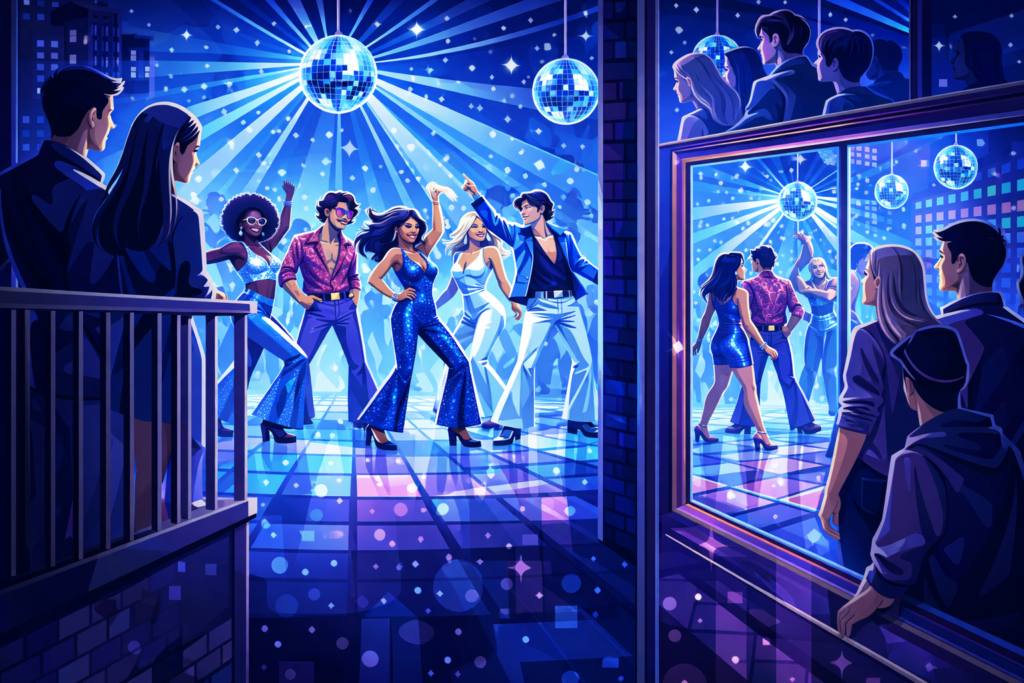
Disco clubs grew rapidly in major cities, becoming cultural hotspots. These spaces weren’t just about music; they were about being seen. The dance floor became a stage, so disco clothing had to shine, move, and stand out under flashing lights and spinning mirrors.
Music and Movies Sparked It
Disco music pushed fashion forward, but movies took it global. Films like Saturday Night Fever showed disco style to the world. Audiences didn’t just love the music—they wanted the flared pants, shiny shirts, and confident looks too.
Freedom on the Dance Floor
Disco fashion allowed people to move without limits. Stretch fabrics, relaxed fits, and flowing shapes made dancing easy and joyful. Clothes followed the body instead of restricting it, which made disco outfits perfect for long nights of nonstop movement.
Broke Old Rules
Disco era fashion ignored traditional dress codes. Men wore bold colors and shine, while women embraced daring cuts and silhouettes. Gender rules blurred, personal style mattered more, and fashion became a statement of confidence and freedom.
Key Characteristics of Disco Fashion
Disco fashion is instantly recognizable because it follows a few strong style rules that were designed for nightlife, movement, and confidence. Every disco outfit aimed to catch the light, highlight the body, and make a bold statement. Unlike everyday clothing, disco style was meant to be noticed from across a crowded dance floor. These key characteristics helped disco fashion stand out during the 1970s and are the same reasons it still inspires modern retro style today. From fabrics to colors and silhouettes, every detail served a purpose: expression, energy, and fun.

Shiny Fabrics
Shiny fabrics are the heart of disco fashion. Materials like sequins, satin, lamé, and metallic polyester reflected club lights beautifully. These fabrics made even simple designs look dramatic. Shine helped dancers stand out while moving, turning bodies into glowing shapes on the dance floor and defining the disco look instantly.
Bold Colors
Disco clothing embraced bold, fearless colors. Gold, silver, electric blue, fiery red, purple, and hot pink dominated disco outfits. These shades matched the high energy of disco music. Instead of blending in, disco fashion used color to express confidence, excitement, and a joyful love for nightlife.
Eye-Catching Patterns
Patterns played a big role in disco era fashion. Swirls, geometric shapes, stripes, and abstract prints added visual movement to outfits. These patterns worked perfectly with dancing bodies, creating motion even when standing still. The goal was simple: grab attention and keep eyes on the dance floor.
Form-Fitting Silhouettes
Disco fashion celebrated the body with form-fitting silhouettes. Tight tops, fitted dresses, jumpsuits, and high-waisted flared pants hugged curves while allowing freedom to move. Stretch fabrics made this possible. The result was clothing that felt comfortable yet confident, showing off personal style without restricting movement.
Iconic Disco Fashion Items
Certain pieces became symbols of disco fashion because they perfectly captured the energy of the dance floor. These items were bold, practical, and unforgettable. They didn’t just follow trends—they defined them. From dramatic pants to sparkling tops, these iconic disco fashion items helped shape the disco look and continue to influence retro disco fashion and modern party styles today.

Flared Pants
Flared pants, often called bell bottom pants, were a must-have in disco outfits. Tight at the hips and wide at the bottom, they created movement with every step. This flared pants fashion made dancing look more dramatic and balanced fitted tops perfectly.
Platform Shoes
Platform shoes were all about height and confidence. Thick soles added inches without sacrificing comfort, which made them perfect for long nights of dancing. Both men and women wore platform shoes, turning footwear into bold statement fashion that demanded attention.
Sequined Tops
Sequined tops brought instant sparkle to disco clothing. Covered in reflective sequins, these tops caught every flash of light in the club. They were often paired with flared pants or skirts, making sequin outfits a favorite choice for standing out on crowded dance floors.
Jumpsuits
The disco jumpsuit was sleek, powerful, and stylish. This one-piece outfit hugged the body while allowing easy movement. Often made with shiny or stretch fabrics, jumpsuits became a go-to disco party outfit because they looked glamorous without needing extra styling.
Shiny Fabrics
Beyond specific items, shiny fabrics themselves became iconic. Satin, lamé, metallic polyester, and glittery blends defined disco era fashion. These materials transformed simple designs into eye-catching looks, making shine one of the most important elements of the disco aesthetic.
Disco Fashion for Men vs. Women
Disco fashion changed how both men and women dressed, especially in nightlife. While their outfits had some differences, the core idea stayed the same: confidence, movement, and bold self-expression. Disco culture encouraged people to experiment with style, push limits, and dress for joy rather than tradition.
Women’s Style
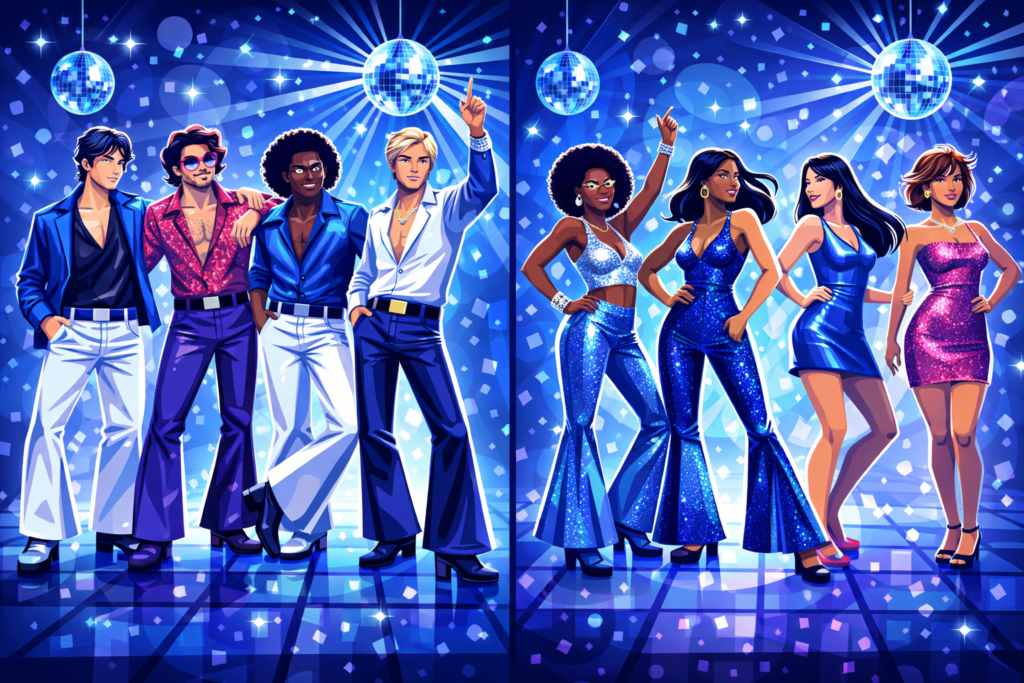
Women’s disco fashion focused on glamour and movement. Popular disco outfits included wrap dresses, halter tops, disco dresses, jumpsuits, and high-slit skirts. Shiny fabrics, bold colors, and body-hugging silhouettes helped create a confident, eye-catching disco look made for dancing.
Men’s Style
Men’s disco clothing became more expressive than ever before. Flared pants, fitted shirts with wide collars, bold patterns, and shiny fabrics defined the look. Platform shoes added height and drama. Disco era fashion allowed men to embrace color, shine, and style without fear.
Key Differences
| Aspect | Women | Men |
| Tops | Halter tops, wrap dresses, sequined tops | Shiny shirts, deep V-necks, wide collars |
| Bottoms | Flared pants, skirts, jumpsuits | Bell bottom pants, tailored flares |
| Fabrics | Satin, sequins, metallic blends | Polyester, satin, shiny synthetics |
| Colors | Bright, metallic, jewel tones | Bold solids, patterns, dark metallics |
| Shoes | Platform heels, strappy sandals | Platform boots, chunky shoes |
| Style Focus | Glamour and curves | Confidence and flair |
These differences highlight how disco fashion challenged traditional gender roles, similar to how modern styles like ouji style explore expressive menswear and rule-breaking aesthetics.
Shared Vibes
Despite differences, men and women shared the same disco spirit. Both embraced bold fashion trends, shiny textures, dramatic silhouettes, and confidence. Disco style wasn’t about gender—it was about attitude, freedom, and owning the dance floor with unmistakable presence.
Top 10 Actresses & Musicians Popularizing Disco Fashion
Disco fashion didn’t spread on its own. It grew because famous faces wore it boldly and proudly. Actresses and musicians turned disco outfits into symbols of confidence, freedom, and glamour. Their looks were copied on dance floors around the world and helped shape some of the most iconic 70s looks we still recognize today.
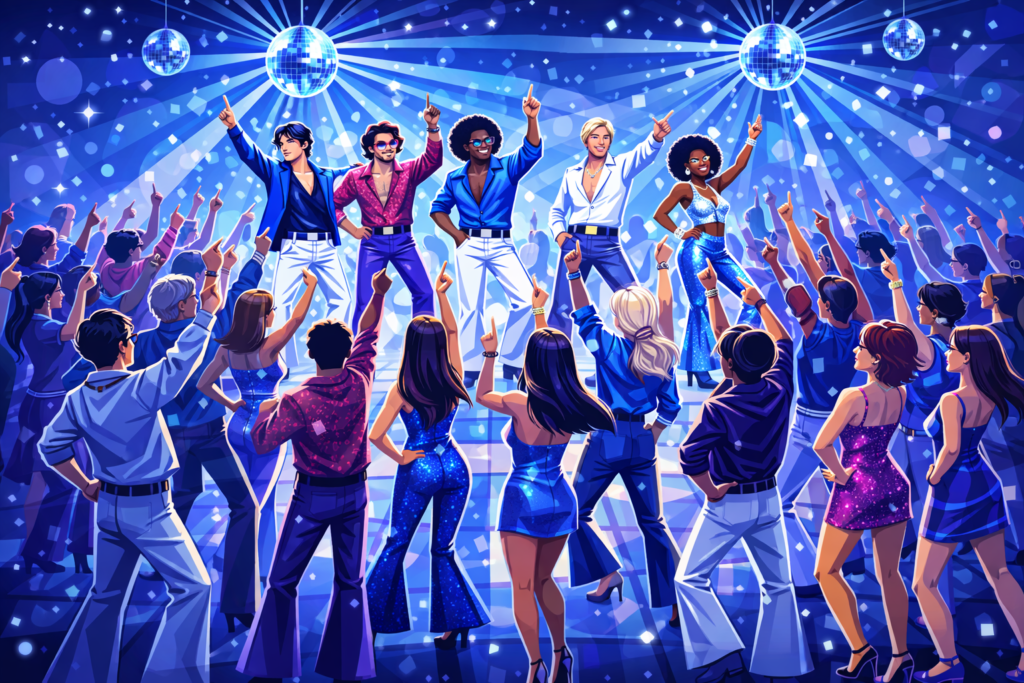
Who They Are?
These stars were more than performers. They were trendsetters. Through concerts, movies, album covers, and TV appearances, they showed how disco style could be daring, stylish, and expressive. Their fashion choices helped define disco culture and made disco clothing mainstream.
The Top 10
- Donna Summer – Known as the Queen of Disco, she made glam, body-hugging looks iconic.
- Diana Ross – Brought elegance, sequins, and dramatic silhouettes to disco fashion.
- Cher – Pushed boundaries with bold, daring disco outfits.
- Gloria Gaynor – Strong, confident style matched her powerful anthems.
- Grace Jones – Redefined disco aesthetic with fearless, avant-garde looks.
- Sylvester – Blurred gender lines with glitter, shine, and bold fashion.
- Bee Gees – Made flared pants and shiny suits famous worldwide.
- Chic – Combined sharp style with smooth disco sound.
- Barry White – Brought smooth elegance to disco era fashion.
- Village People – Turned costumes and bold themes into pop-culture icons.
Why Disco Fashion Rocks?
These stars proved fashion could be fearless and fun. Their disco looks celebrated individuality, confidence, and self-expression. Even today, designers and fans draw inspiration from their outfits, keeping disco style alive across generations.
Influence of Celebrities and Music on Disco Fashion
Disco fashion and disco music grew together, feeding off each other’s energy. As the sound became louder and more emotional, the clothes became bolder and more expressive. Celebrities played a huge role in turning disco outfits into global style symbols.
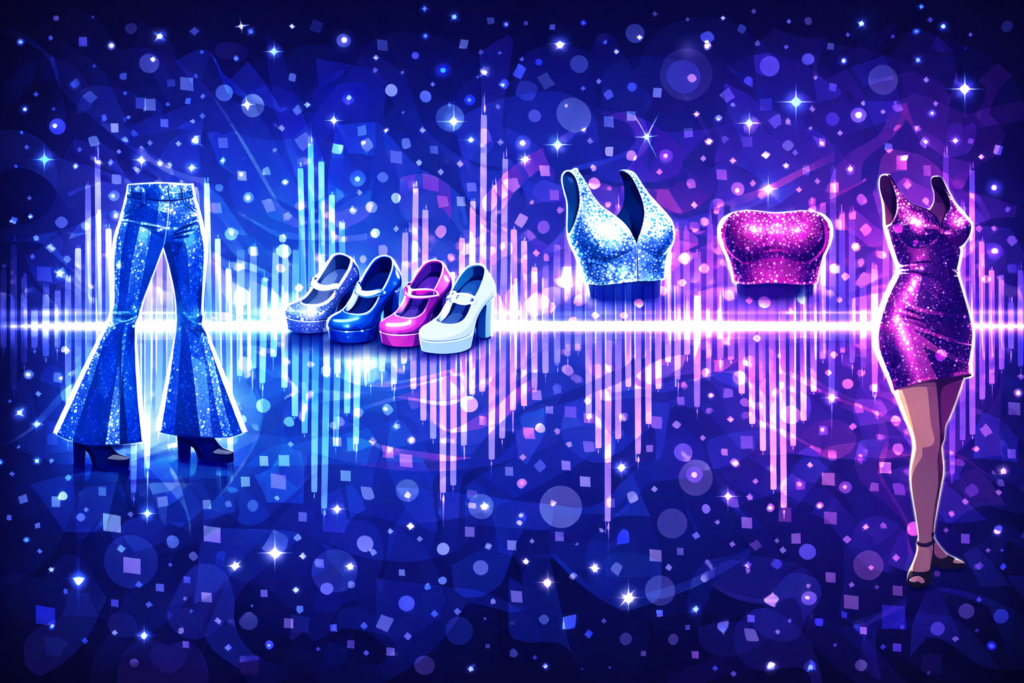
Music’s Role
Disco music was built for movement, so fashion had to follow. Fast beats, long dance sessions, and crowded clubs demanded flexible, breathable, and eye-catching disco clothing. Shiny fabrics, flared shapes, and dramatic silhouettes matched the rhythm, turning fashion into part of the performance.
Key Celebrities
Singers and performers became walking style guides. When stars appeared on stage or screen in bold disco looks, fans copied them instantly. Their influence worked much like later music-driven movements such as visual kei, where sound and fashion evolve together.
Main Fashion Changes
- Increased use of metallic and sequin fabrics
- Brighter, bolder color palettes
- More fitted and body-conscious designs
- Platform shoes becoming mainstream
- Gender rules in fashion becoming less strict
These changes helped disco era fashion stand out from previous decades and reshaped how people dressed for nightlife.
Lasting Effects
The celebrity-driven disco aesthetic never fully disappeared. Its influence still appears in glam fashion, retro fashion trends, stage outfits, and modern disco-inspired looks, proving music and style are always deeply connected.
How Disco Fashion Shaped Modern Style Trends
Disco fashion didn’t end when the disco era faded. Instead, it quietly shaped how modern fashion looks, feels, and behaves today. Many of the bold fashion trends we now see on runways, at music festivals, and in pop culture trace their roots back to disco culture. The confidence, freedom, and visual drama of disco style changed fashion’s direction in lasting ways.
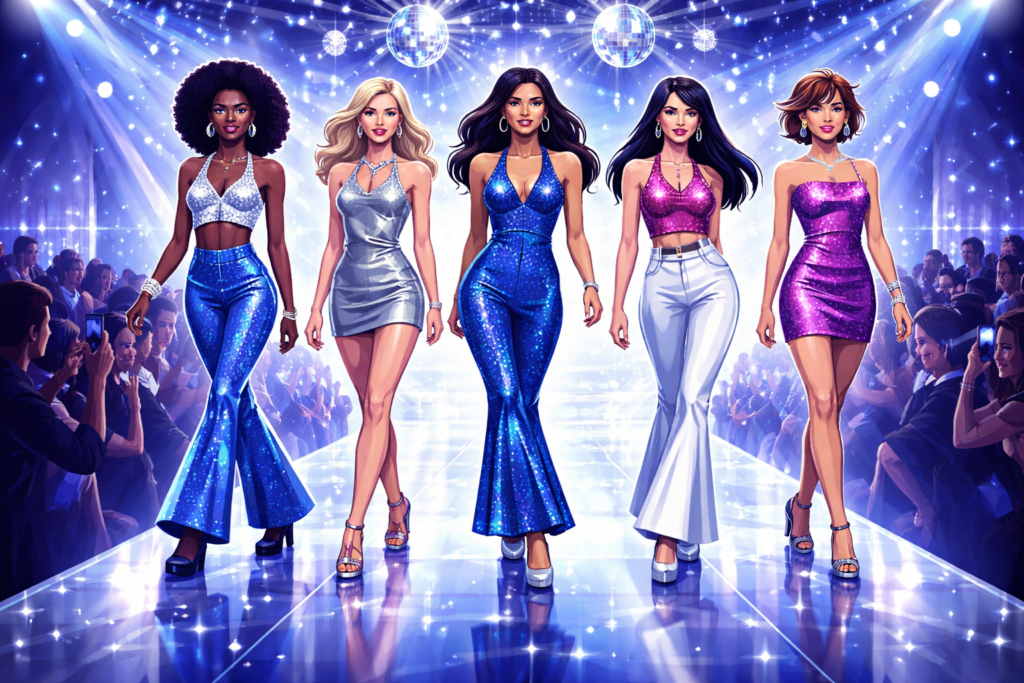
What Was Disco Fashion?
Disco fashion was a high-energy style built for nightlife and movement. It focused on shine, bold colors, body confidence, and expressive silhouettes. More than clothing, it was a mindset—dress loud, feel powerful, and move freely without worrying about old-fashioned rules.
Key Style Features
Several core elements of disco era fashion continue to influence modern style today:
- Shiny and metallic fabrics used in evening wear and party outfits
- Flared pants fashion that returns regularly to denim and trousers
- Platform shoes making repeated comebacks on runways
- Body-hugging silhouettes that celebrate confidence
- Bold colors replacing dull, safe tones
- Statement fashion pieces designed to stand out
- Gender-fluid styling that challenges traditional norms
These features appear across retro fashion trends and modern collections, proving disco’s lasting impact.
Broke Old Rules
Disco fashion broke away from conservative dressing. It rejected the idea that fashion should be subtle or restrictive. This rule-breaking spirit paved the way for many later movements, even those that contrast disco’s energy, such as dark academia, which embraces a more muted, intellectual look while still valuing self-expression through clothing.
Stars Who Shaped It
Celebrities from the disco era showed how powerful fashion could be. Their fearless looks influenced designers, stylists, and future performers. Modern artists still borrow disco-inspired outfits for tours, red carpets, and music videos, keeping the influence alive.
Lives in Today’s Trends
Today, disco style lives on through retro revivals, glam fashion, and disco-inspired outfits. From sparkly party wear to bold silhouettes, modern fashion continues to echo disco’s message: style should be confident, expressive, and fun—never boring.
How to Style Disco Fashion Today?
Disco fashion may come from the past, but styling it today is all about balance. You don’t need to look like you stepped out of a 1970s nightclub to enjoy the disco aesthetic. The key is mixing retro elements with modern pieces. When done right, disco-inspired outfits feel fresh, confident, and wearable for parties, nights out, or even casual settings with a bold twist.
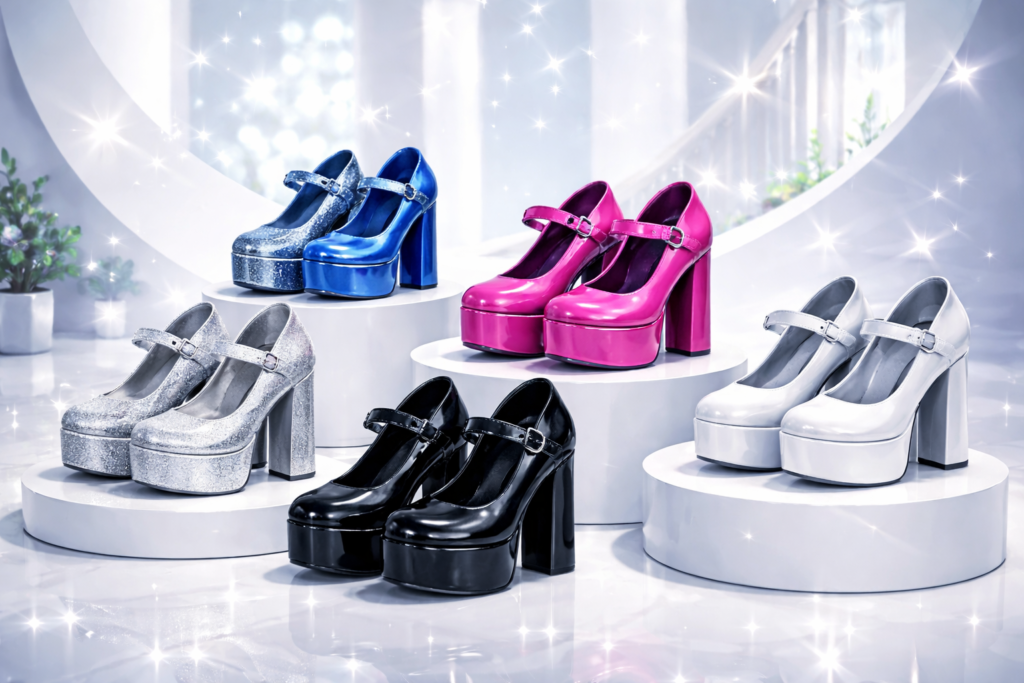
Pick Shiny Pieces
Start small with shine. Choose one standout item like a metallic top, a sequin skirt, or a glossy jacket. Let that piece be the focus while keeping the rest of your outfit simple. This approach keeps the disco look stylish instead of overwhelming.
Choose Flared Shapes
Flared pants fashion is one of the easiest ways to bring disco style into today’s wardrobe. High-waisted flared jeans or trousers instantly add a retro feel. Pair them with a fitted top or modern blazer to keep the outfit balanced and current.
Add Bold Colors
Disco fashion loves color, so don’t be afraid of bold shades. Jewel tones like emerald, purple, or deep blue work well today. If bright colors feel too much, try adding them through one item, such as a top, bag, or jacket.
Grab Fun Shoes
Shoes can make or break a disco-inspired outfit. Platform shoes, chunky heels, or boots with a slight shine add height and drama. Modern platforms are more comfortable than vintage ones, making them perfect for dancing or long nights out.
Accessorize Smart
Accessories complete the disco look. Choose statement earrings, wide belts, or oversized sunglasses. Keep it intentional—one or two bold accessories are enough. The goal is to echo disco culture’s confidence while keeping the outfit polished and wearable today.
Benefits of Disco-Inspired Fashion
Disco-inspired fashion is more than a visual style—it’s an attitude. Wearing disco clothing changes how you feel and how you move. It encourages confidence, creativity, and joy. Even in modern settings, disco style offers practical and emotional benefits that many other fashion trends simply can’t match.

Boosts Confidence
Disco fashion is designed to be seen. Shiny fabrics, bold colors, and strong silhouettes naturally draw attention. When you wear something that stands out, you often stand taller too. Disco-inspired outfits help people feel confident, expressive, and comfortable owning their presence in any room.
Perfect for Dancing
One of the biggest benefits of disco clothing is movement. Stretch fabrics, flared shapes, and breathable materials make dancing easy. Whether you’re at a party or a festival, disco-inspired pieces are built to move with your body, not fight against it.
Stands Out Easily
Disco style never blends into the background. While many modern outfits focus on minimalism, disco-inspired fashion celebrates bold fashion trends. A single disco piece can instantly turn a simple outfit into a statement look that people notice and remember.
Shows Personality
Disco fashion allows personal style to shine. From color choices to accessories, every detail reflects individuality. Wearing disco-inspired outfits sends a clear message: you’re confident, creative, and unafraid to express who you are through fashion.
Timeless Appeal
Disco fashion never truly goes out of style. Trends come and go, but retro disco fashion keeps returning in fresh ways. Its mix of glamour, comfort, and confidence gives it a timeless quality that works across generations and modern wardrobes alike.
Common Mistakes to Avoid with Disco Fashion
Disco fashion is bold and expressive, but getting it right takes balance. When styled poorly, disco-inspired outfits can look overwhelming or costume-like instead of stylish. Avoiding a few common mistakes helps keep the disco look confident, modern, and wearable while still honoring its retro roots.
Too Much Shine
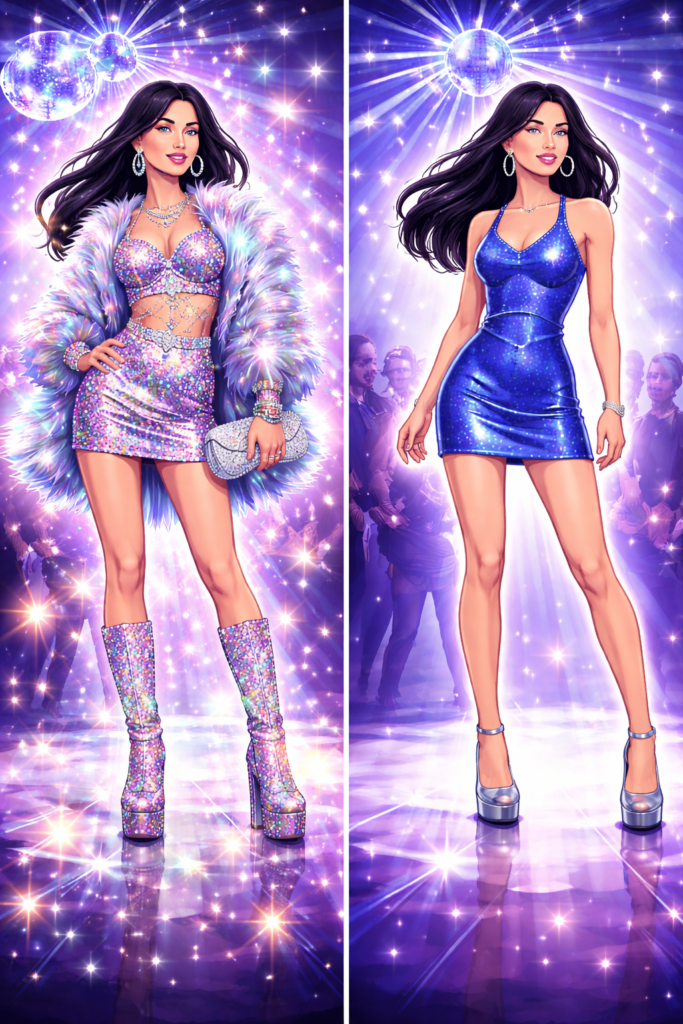
Shine is essential to disco fashion, but too much can be distracting. Wearing multiple sequined or metallic pieces at once may overpower the look. Instead, choose one shiny statement item and balance it with simpler fabrics to keep the outfit polished and intentional.
Bad Fit Choices
Fit matters just as much as sparkle. Disco clothing should move with your body, not restrict it. Overly tight pieces can feel uncomfortable, while loose items can lose the iconic disco silhouette. Well-fitted clothes create a clean, confident disco-inspired look.
Cheap Fabrics Only
Low-quality fabrics can ruin the effect of disco fashion. Cheap sequins or stiff materials may look dull and feel uncomfortable. Investing in better fabrics improves comfort, movement, and appearance, making disco outfits look stylish rather than like party costumes.
Wrong Mix of Prints
Disco era fashion loves bold patterns, but mixing too many prints can clash. Pair one strong pattern with solid colors to avoid visual chaos. This keeps the outfit balanced while still delivering the eye-catching energy disco style is known for.
Ignoring the Event
Context is important. A full disco party outfit works for themed events or nightlife but may feel out of place elsewhere. Adjust the level of sparkle and drama to match the occasion, blending disco elements with modern pieces when needed.
7 Not Commonly Known Things About 1970s Disco Fashion
Disco fashion is often remembered for sparkle and boldness, but there are many lesser-known details that made 1970s disco style truly unique. Beyond flared pants and glitter, disco era fashion quietly changed how people dressed, moved, and expressed identity. These surprising details show how thoughtful, experimental, and influential disco culture really was.
Men’s Shiny Shirts
One of the biggest surprises of 1970s disco fashion is how openly men embraced shine. Satin, silk-like polyester, and metallic shirts were common. Deep V-necks and wide collars added drama. This was a major shift from conservative menswear and helped redefine confidence in men’s fashion.
Wrap Dress Magic
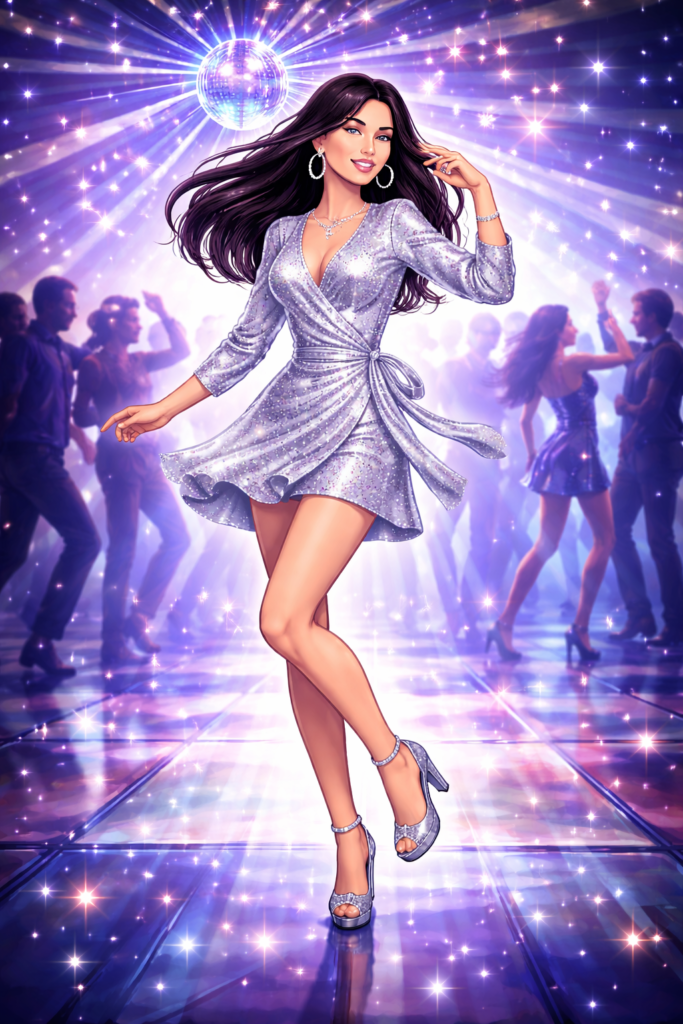
The wrap dress became a disco favorite because it flattered many body types. It hugged curves without restricting movement, making it perfect for dancing. Easy to adjust and comfortable, the wrap dress balanced glamour and practicality in a way few disco outfits could.
Platform Shoe Heights
Platform shoes weren’t just tall—they were sometimes extreme. Some disco platforms added several inches in height, yet dancers still wore them for hours. Thick soles distributed weight evenly, which made them surprisingly wearable despite their dramatic appearance.
Polyester Everywhere
Polyester dominated disco clothing for a reason. It was affordable, stretchy, and held color well under club lights. While polyester gets a bad reputation today, in the disco era it allowed bold designs, bright colors, and easy movement that natural fabrics couldn’t always provide.
Halter Neck Craze
Halter neck tops and dresses were everywhere in disco nightlife fashion. They highlighted shoulders and backs while keeping outfits secure during dancing. This style helped create elegant yet daring silhouettes that became instantly recognizable as part of iconic 70s looks.
Gender Mix-Ups
Disco fashion quietly blurred gender lines. Men wore makeup, heels, and glitter. Women adopted suits and bold tailoring. This freedom placed disco style among influential fashion subcultures, proving that clothing could challenge identity norms long before it became mainstream.
Slit Skirts Flow
High-slit skirts weren’t just about allure—they improved movement. Slits allowed longer strides and smoother spins on the dance floor. This detail shows how disco fashion always balanced visual impact with physical freedom, making every outfit dance-ready.
Disco Fashion in Movies, TV, and Pop Culture
Disco fashion became truly iconic once it moved from nightclubs to screens. Movies, television, and pop culture helped freeze disco style in time while also spreading it worldwide. What people saw on screen quickly influenced how they dressed in real life, turning disco outfits into global fashion statements.

Key Movies
Movies played a huge role in defining disco era fashion. Films like Saturday Night Fever showcased flared pants, fitted shirts, and confident silhouettes that became instantly recognizable. These movies didn’t just feature disco clothing—they taught audiences how disco style should look and feel.
TV Shows
Television brought disco fashion into living rooms every week. Music and variety shows featured performers dressed in shiny fabrics, bold colors, and dramatic cuts. Seeing disco looks repeatedly on TV helped normalize glamorous outfits and made disco style feel accessible beyond clubs.
Pop Culture Stars
Pop culture stars kept disco fashion alive through concerts, interviews, and magazine covers. Artists like Cher and Diana Ross turned disco outfits into symbols of confidence and individuality. Their influence ensured disco aesthetic became a lasting part of fashion history rather than a short-lived trend.
Sustainability and Disco Fashion Comebacks
Disco fashion is making a strong comeback, and sustainability is a big reason why. Many people now look to vintage disco style as an eco-friendly choice. Thrifting original disco clothing or reworking older pieces reduces waste and gives garments a second life. Instead of fast fashion, disco-inspired outfits encourage reuse and creativity.
Modern designers are also updating disco era fashion using sustainable fabrics like recycled polyester and eco-friendly metallic blends. These materials recreate the shine and movement of classic disco looks without the environmental cost of the past. Upcycling has become especially popular, turning old sequined tops or flared pants into fresh, modern designs.

This return to disco fashion proves that bold style and responsible choices can exist together. By blending retro disco fashion with sustainable practices, today’s fashion world keeps the disco aesthetic alive while respecting the future of the planet.
Frequently Asked Questions
Disco fashion often sparks curiosity because it blends bold style, music, and cultural freedom in a unique way. Many people love the look but still have questions about how it works, where it came from, and how to wear it today. Below are clear, simple answers to the most common questions about disco fashion, its history, and its modern appeal.
Disco fashion is defined by boldness, shine, and movement. It includes shiny fabrics, flared pants, sequins, platform shoes, and form-fitting silhouettes. The disco look was designed for nightlife and dancing, which is why comfort and flexibility mattered as much as visual impact. Confidence and self-expression are at the heart of disco style.
Disco fashion began in the 1970s, but it is not limited to that era. While the roots come from 1970s fashion, disco style continues to influence modern trends. Designers often revisit disco era fashion, updating it with new cuts, fabrics, and styling for today’s audiences.
Yes, disco fashion can be worn casually when styled thoughtfully. The key is moderation. Adding one disco-inspired piece, like flared pants or a metallic top, to a simple outfit creates a subtle retro feel without looking like a costume. Balance makes disco clothing wearable in everyday settings.
Disco fashion favors bold and vibrant colors. Gold, silver, black, red, purple, and electric blue are especially common. These colors reflect light well and enhance movement on the dance floor. Bright shades were chosen to stand out in dark clubs and under flashing lights.
To modernize a disco outfit, mix retro pieces with contemporary basics. Pair flared pants with a simple fitted top or style a sequined jacket with neutral jeans. Keeping accessories minimal and choosing modern cuts helps disco-inspired outfits feel fresh rather than outdated.
Platform shoes regularly return to fashion trends. Modern versions are more comfortable and versatile than vintage styles. They appear in streetwear, party fashion, and even high-end collections, proving that this disco staple still has strong appeal today.
Key disco fashion fabrics include sequins, satin, lamé, metallic blends, and polyester. These materials provide shine, stretch, and durability. They were popular because they enhanced movement and reflected light, which remains important for achieving an authentic disco aesthetic.
Disco fashion is returning because people crave expressive, joyful style. In contrast to minimal trends, disco-inspired fashion offers fun, confidence, and individuality. Its connection to music, nostalgia, and sustainability through vintage clothing also makes it appealing to modern fashion lovers.