Introduction
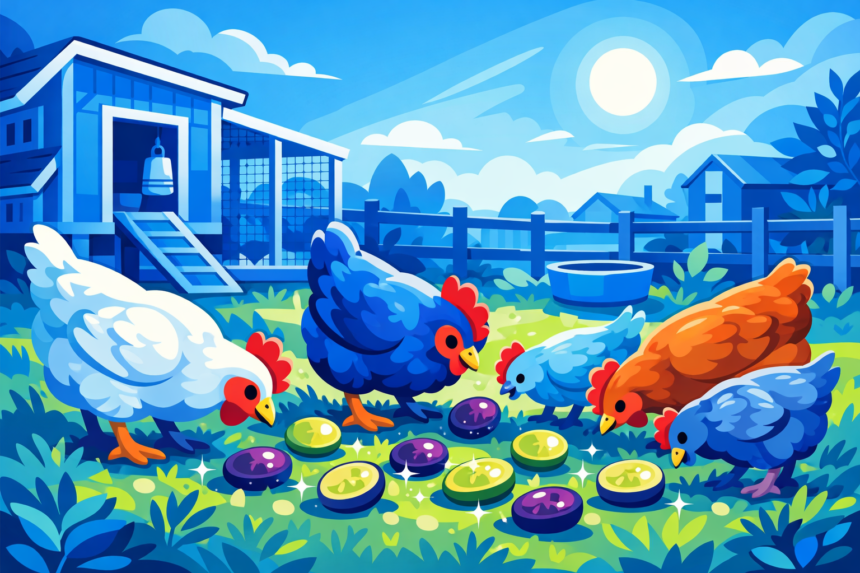
Can chickens eat grapes? If you’ve ever watched your flock chase shiny objects, you already know they’re curious eaters. Grapes often come up as a backyard treat. They look harmless, taste sweet, and feel refreshing—but are they truly safe? Let’s break it down clearly and simply.
Can Chickens Eat Grapes?
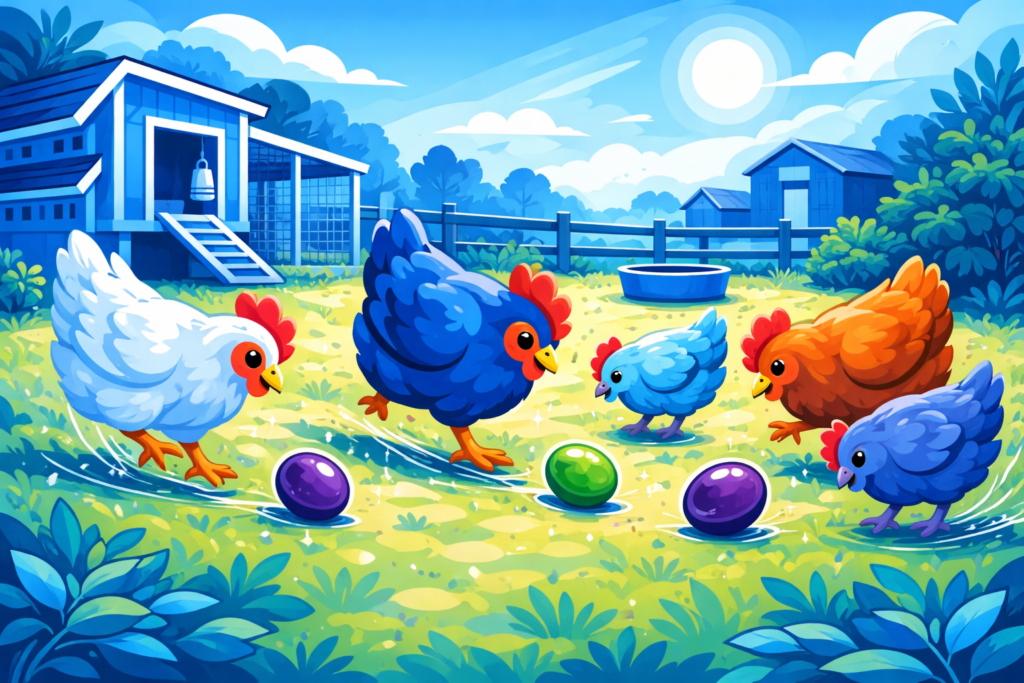
Yes—can chickens eat grapes? Absolutely. Chickens can enjoy grapes as an occasional treat. They’re not toxic, they’re easy to find, and most chickens love the sweet burst. When people ask can chickens have grapes, the short answer is yes, but moderation matters.
Think of grapes like candy for kids. A few pieces can be fun and refreshing, but too many can cause problems. Grapes contain natural sugars and water, which makes them appealing, especially on hot days. Still, grapes should never replace balanced feed. They’re a supplement, not a staple.
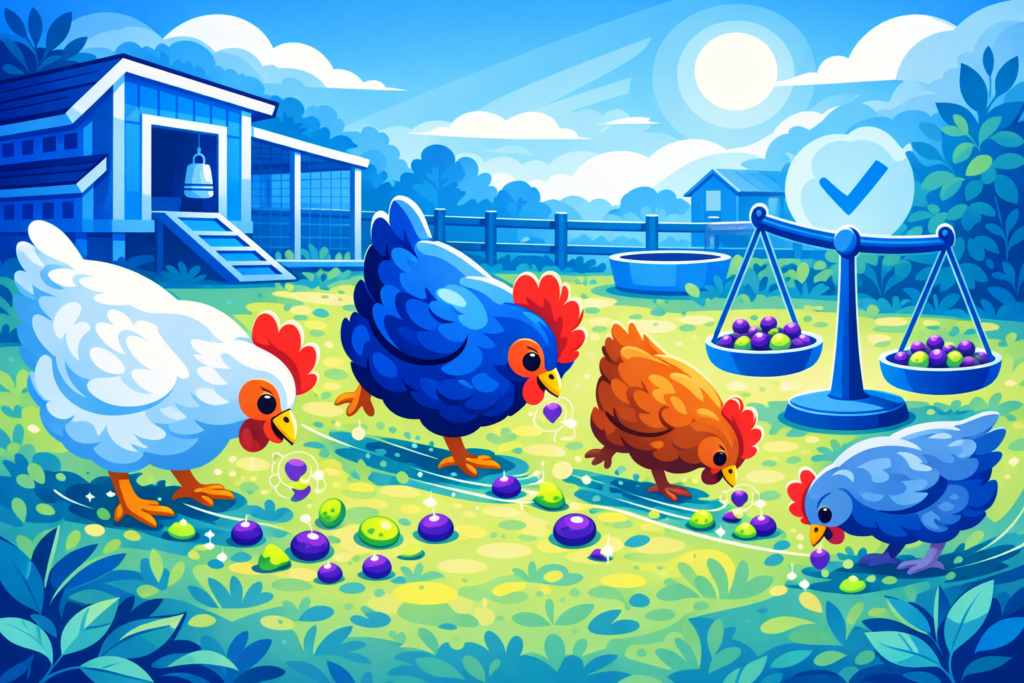
So, should chickens eat grapes? Yes, but only sometimes. When prepared correctly and fed in small amounts, grapes can be one of many safe snacks for chickens. The key is balance, portion size, and proper preparation.
What Are Grapes?
Grapes are small, juicy fruits that grow in clusters on vines. They come in many varieties, including red, green, purple, and black. People eat them fresh, dried as raisins, or turned into juice and wine.
From a nutrition point of view, grapes are mostly water with natural sugars. They also contain vitamins, antioxidants, and small amounts of minerals. That’s why they’re often seen as a light, refreshing food.

For chickens, grapes fall into the category of chicken diet fruits—foods that can add variety but shouldn’t dominate meals. Chickens naturally forage for seeds, insects, and plants. Fruit mimics that natural variety, which explains why many owners look for healthy treats for chickens like grapes.
Are Grapes Safe for Chickens?
Grapes often raise questions because they’re sweet, soft, and sometimes linked to health warnings for other animals. When it comes to chickens, the answer is reassuring—but with a few important rules. Grapes are not toxic to chickens, and they can be a safe, enjoyable treat when handled the right way. The key is understanding how grapes fit into a chicken’s overall diet and why moderation matters. Chickens thrive on balance, much like people do. Treats should add variety, not replace proper nutrition. When grapes are fed carefully, they can be a fun snack that keeps your flock interested without causing harm.
Are Grapes Safe?
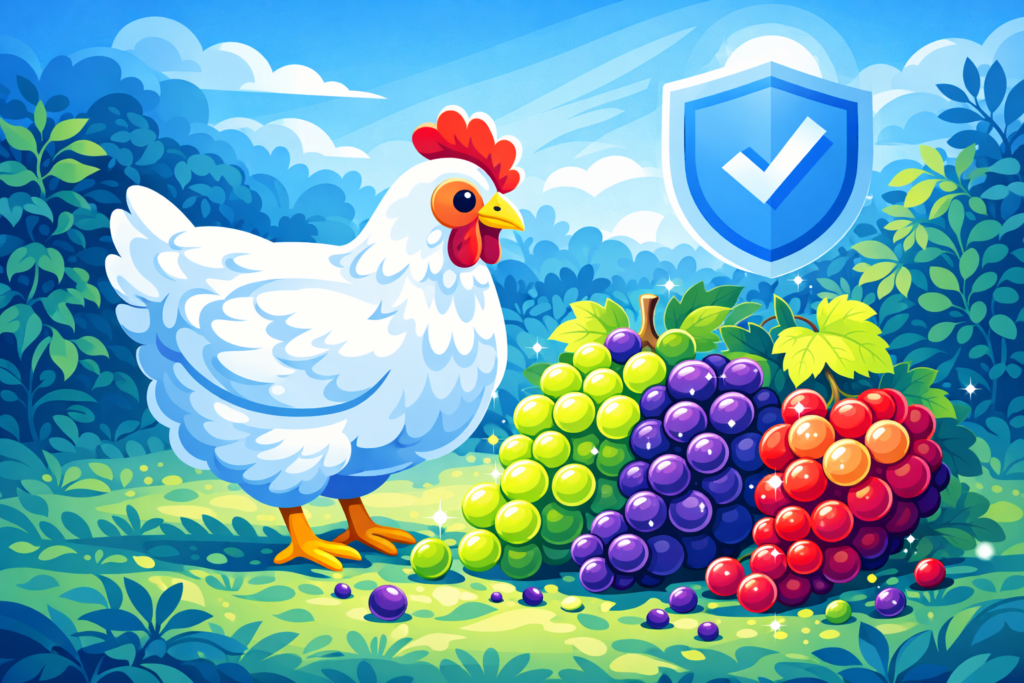
Yes, grapes are safe for chickens when fed occasionally. They are not poisonous and don’t carry the same risks they do for dogs. However, safety depends on portion size, freshness, and preparation. Small amounts keep grapes firmly in the “safe treat” category.
Key Benefits
Grapes provide hydration, quick energy, and small amounts of vitamins. Their high water content makes them refreshing, especially in warm weather. Chickens also enjoy the sweet taste, which makes grapes a useful training or bonding treat when used sparingly.
Possible Risks
The main risk comes from overfeeding. Grapes contain natural sugar, which can lead to loose droppings, weight gain, or reduced appetite for balanced feed. Whole grapes may also pose a choking risk if they aren’t cut into smaller pieces.
How to Feed?
Always wash grapes thoroughly and cut them into halves or quarters. Feed them as an occasional snack, not a daily habit. Mixing grapes with other healthy treats helps maintain balance and keeps your chickens curious without overloading their diet.
Nutritional Value of Grapes for Chickens
Grapes may look small, but they contain a mix of nutrients that can support your flock when used the right way. While grapes should never replace a complete chicken feed, they do add variety and moisture to the diet. Think of them as a light snack rather than a power meal. Chickens need protein, calcium, and balanced minerals every day, and grapes don’t provide those in large amounts. What they do offer is hydration, natural sugars for quick energy, and a few helpful vitamins. When included occasionally, grapes can complement the core diet and make treat time more interesting for your birds.

Key Nutrients
Grapes contain vitamin C, vitamin K, and small amounts of B vitamins. They’re also rich in water and natural carbohydrates. While they’re low in protein and fat, these nutrients make grapes refreshing and easy to digest when fed in moderation.
Health Benefits
The antioxidants in grapes help support overall wellness by fighting cell stress. Their water content aids hydration, especially during hot weather. The natural sugars provide a quick energy boost, which can be helpful for active chickens on busy foraging days.
Feeding Tips
Always treat grapes as a supplement, not a staple. Pair them with balanced feed and other nutrient-rich treats. Cutting grapes into small pieces improves safety and digestion, while limiting portions prevents sugar overload and keeps your chickens’ diet healthy and well-rounded.
Benefits of Feeding Grapes to Chickens
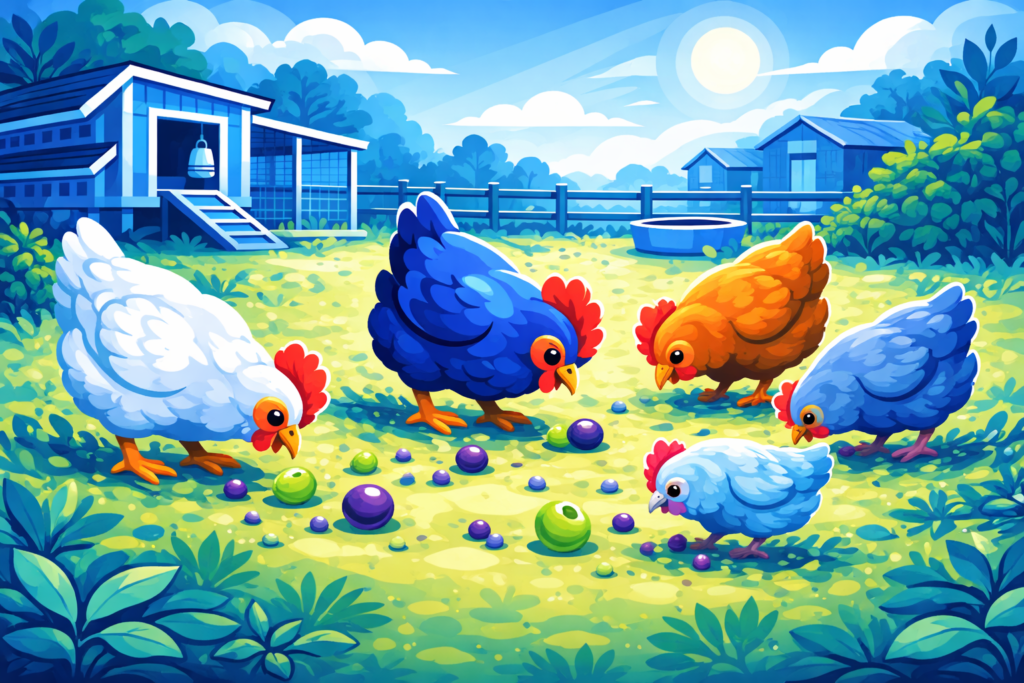
Feeding grapes to chickens isn’t just about giving them something tasty. When used correctly, grapes can offer several small but useful benefits that support everyday health and comfort. While they don’t replace a complete feed, grapes add variety, which helps prevent boredom and encourages natural foraging behavior. Chickens enjoy pecking at bright, juicy foods, and grapes often become a favorite treat. The real value comes from how grapes support hydration, provide quick energy, and supply minor nutrients that complement a balanced diet. Think of grapes like a refreshing snack after a long day—they don’t replace dinner, but they feel good and add enjoyment.
Packed with Vitamins
Grapes contain vitamins such as vitamin C and vitamin K, which support immune function and normal blood processes. While chickens don’t rely on grapes for vitamins, these nutrients offer a small boost that supports overall wellness when treats are given in moderation.
Mineral Boost
Although grapes aren’t mineral-rich, they do provide trace amounts of minerals like potassium. These help support muscle movement and normal body functions. When combined with a complete feed, this gentle mineral boost helps maintain balance without overloading the system.
Hydration Helper
With their high water content, grapes act as a natural hydration aid. On warm days, juicy grapes help chickens stay cool and refreshed. This makes them especially useful during summer when birds may need extra moisture beyond their water supply.
Gut and Energy Aid
The natural sugars in grapes give chickens quick, easy-to-use energy. This can be helpful for active birds that spend hours scratching and foraging. In small amounts, grapes support digestion and energy without putting stress on the gut.
Potential Risks of Feeding Grapes to Chickens
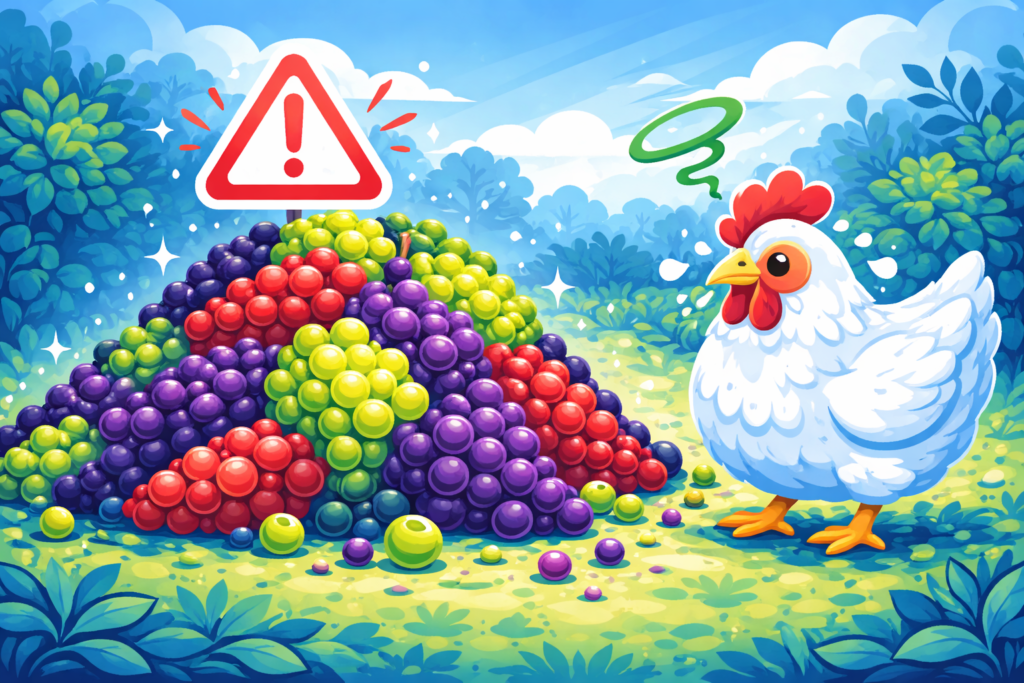
While grapes can be a pleasant treat, they also come with a few risks if they’re not handled carefully. Most problems don’t come from grapes themselves, but from how often and how much they’re fed. Chickens have simple digestive systems designed for grains, seeds, and insects. Sugary, soft fruits can upset that balance when overused. Understanding these risks helps you avoid issues before they start and keeps treats fun instead of harmful. When chickens show changes in digestion, weight, or behavior, it’s often linked to diet choices. Paying attention to portion size and preparation protects your flock’s overall physical health and keeps grapes in the “occasional treat” category where they belong.
Too Much Sugar
Grapes contain natural sugar, which can cause problems when fed too often. Too much sugar may lead to weight gain, lower activity levels, and reduced interest in balanced feed. Chickens don’t need sugary foods daily, so limiting grapes is essential.
Digestive Upset
Overfeeding grapes can cause loose droppings or mild diarrhea. This happens because fruit breaks down faster than grains. If digestion looks abnormal, it’s a sign to pause fruit treats and return to regular feed until things normalize.
Choking Danger
Whole grapes can be a choking risk, especially for smaller chickens. Chickens don’t chew food—they swallow it. Cutting grapes into halves or quarters makes them safer and easier to digest, reducing the risk of choking or discomfort.
Moldy Grapes
Moldy or spoiled grapes should never be fed. Mold can harm chickens and stress their bodies. Always check grapes before feeding and discard any that smell odd, feel slimy, or show fuzzy growth.
Crop Blockage
Feeding too many soft foods like grapes may contribute to crop issues. The crop can struggle to empty properly when the diet lacks texture. Balance grapes with fibrous foods to support normal digestion and avoid blockage.
What Is the Best Way to Give Chickens Grapes?
Giving grapes to chickens is simple, but doing it the right way makes all the difference. The goal is to keep grapes a fun, safe treat rather than a cause of digestive trouble. Chickens don’t portion food for themselves, so preparation and timing matter. When grapes are fresh, properly prepared, and fed in small amounts, they fit nicely into a healthy treat rotation. Think of grape feeding as a quick snack break, not a full meal. A little planning helps protect digestion, prevent waste, and make sure every chicken gets a fair share without overeating.
Pick Fresh Grapes
Always choose fresh, firm grapes without mold, wrinkles, or a sour smell. Soft or damaged grapes spoil quickly and can upset a chicken’s stomach. Fresh grapes are safer, tastier, and less likely to cause health problems when used as an occasional treat.
Prep for Safety
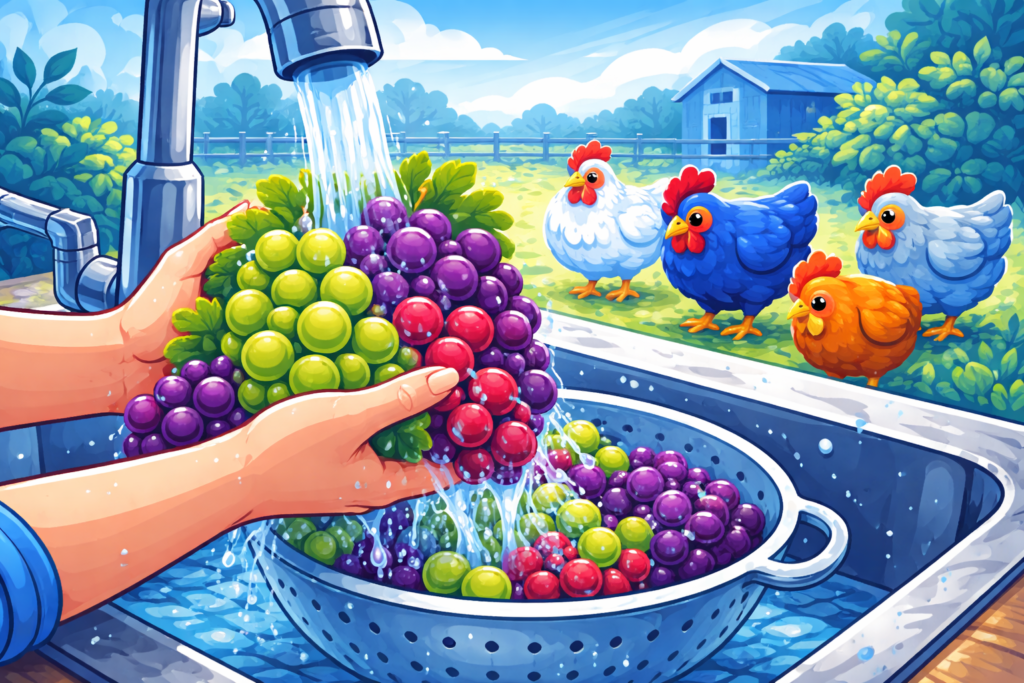
Wash grapes thoroughly to remove dirt or chemical residue. Cut them into halves or quarters, especially for smaller chickens. This simple step reduces choking risk and makes the grapes easier to swallow and digest, keeping treat time safe and stress-free.
Feed Smartly
Offer grapes in moderation and mix them with other healthy treats. Scatter small pieces on the ground to encourage natural foraging behavior. Feeding grapes once or twice a week helps maintain balance and prevents chickens from filling up on sugary snacks.
Watch for Problems?
After feeding grapes, observe your chickens for changes in droppings, energy, or appetite. Loose stools or sluggish behavior may mean too many treats were given. If issues appear, pause fruit feeding and return to regular feed until everything normalizes.
How to Safely Feed Grapes to Chickens?
Feeding grapes to chickens safely comes down to a few simple habits. Grapes aren’t dangerous on their own, but chickens rely on us to manage treats wisely. Because they’ll happily eat whatever is offered, it’s easy to give too much without realizing it. Safe grape feeding means focusing on freshness, preparation, and portion control. When grapes are treated as an occasional snack instead of a daily food, they stay fun and harmless. A careful approach protects digestion, supports normal behavior, and keeps your flock healthy and active. Think of grapes as a bonus item—enjoyable, but never essential.
Are Grapes Safe?
Yes, grapes are safe for chickens when fed properly. They are not toxic and won’t cause harm in small amounts. Problems usually appear only when grapes are overfed, spoiled, or served whole without preparation, which is why moderation and care matter.
Prep Grapes Right
Always wash grapes well and cut them into small pieces. Halving or quartering grapes reduces choking risk and makes digestion easier. Removing damaged or moldy grapes is essential, as spoiled fruit can quickly upset a chicken’s stomach.
Right Amount
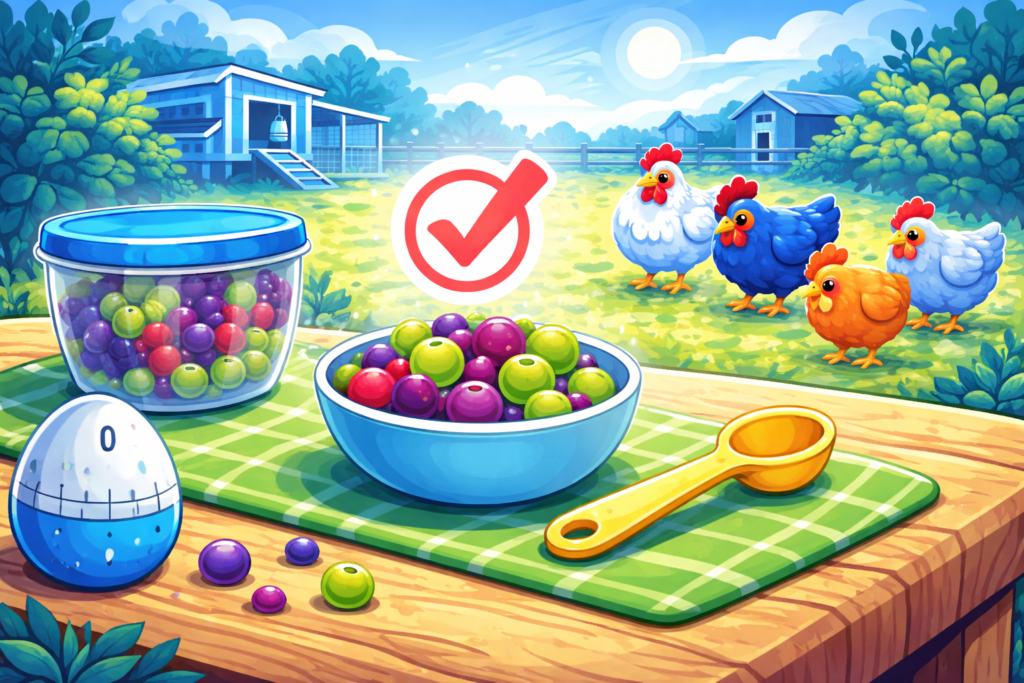
Limit grapes to a small handful shared among the flock. A few pieces per chicken is plenty. Keeping treats under ten percent of the overall diet ensures chickens still get the nutrients they need from balanced feed.
Watch for Problems?
After feeding grapes, keep an eye on droppings, appetite, and energy levels. Loose stools or reduced interest in feed are signs to cut back. If issues appear, pause fruit treats and return to regular feeding until things settle.
How Many Grapes Can Chickens Eat?
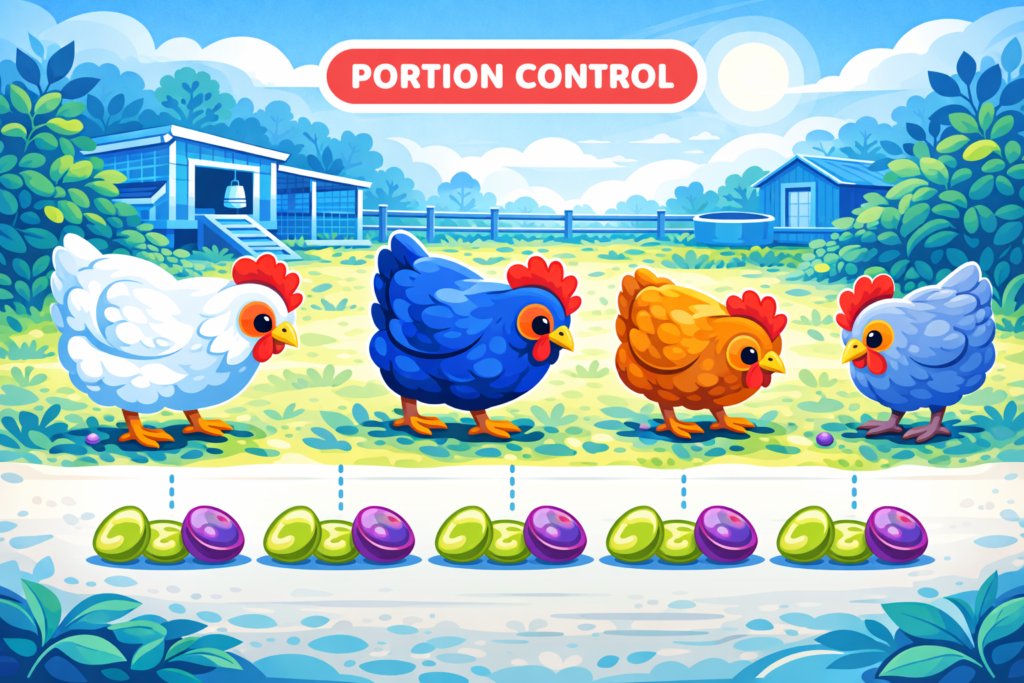
When it comes to feeding grapes, quantity matters more than many people expect. Chickens don’t naturally regulate treats, so they’ll keep eating if grapes are available. That’s why setting limits is important. Grapes are best viewed as an occasional bonus, not a regular food item. A good rule of thumb is that treats, including fruit, should make up no more than ten percent of a chicken’s overall diet. The rest should come from complete, balanced feed. By keeping grape portions small, you avoid digestive issues, weight gain, and nutrient imbalance while still letting your chickens enjoy a tasty snack.
Right Amount to Feed
A safe amount is two to four small grape pieces per adult chicken at one time. This is enough to satisfy curiosity and taste without overloading them with sugar. For flocks, spread grapes evenly so no single chicken eats too much.
Prep Tips
Always cut grapes into halves or quarters before feeding. Smaller pieces reduce choking risk and help digestion. Washing grapes first removes dirt and residues, making them safer and cleaner for your chickens to eat.
Why Limit Them?
Limiting grapes prevents sugar overload and keeps chickens focused on nutritionally complete feed. Too many grapes can reduce appetite for proper food, lead to loose droppings, and contribute to weight gain over time. Moderation keeps treats enjoyable and harmless.
Can Baby Chicks Eat Grapes?
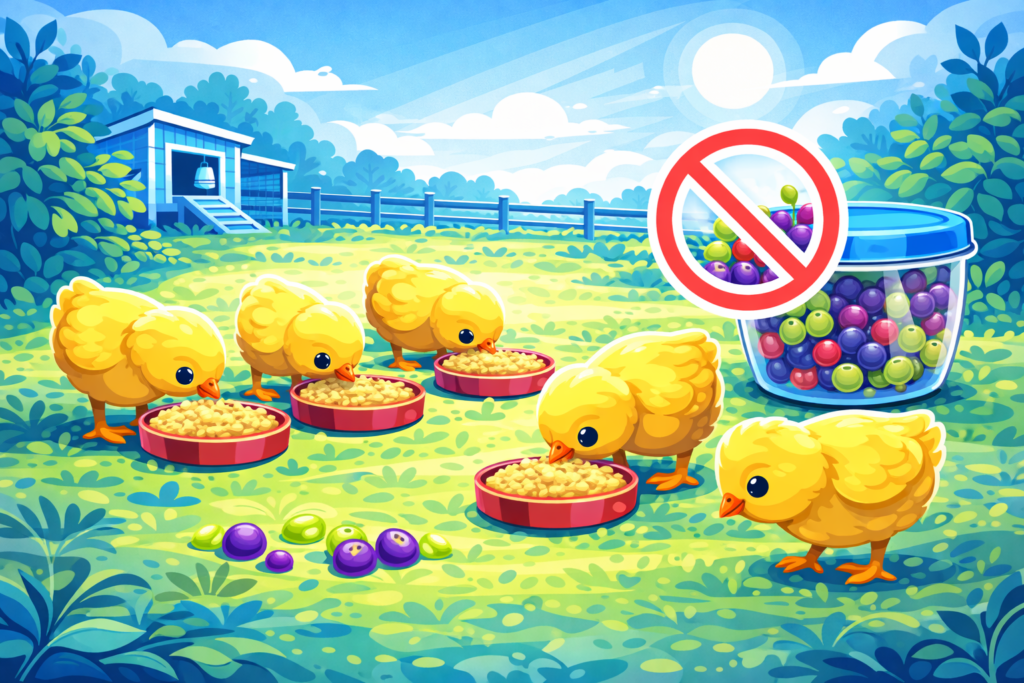
Baby chicks have very different nutritional needs than adult chickens, which makes treat choices especially important. While grapes are safe for grown birds in moderation, chicks need a more cautious approach. Their digestive systems are still developing, and they rely heavily on starter feed for proper growth. Treats given too early can interfere with nutrient intake and slow healthy development. For this reason, grapes should never be a regular food for young chicks and should only be introduced when they’re old enough to handle solid treats safely.
Best Age to Start
It’s best to wait until chicks are at least 8 weeks old before offering grapes. By this age, their digestive systems are more developed, and they’re better able to handle small amounts of fruit without upsetting growth or digestion.
How to Feed Them?
When introducing grapes, cut them into very tiny pieces and offer only one or two bits at a time. Mash the grape slightly if needed. Always make sure chicks still eat plenty of starter feed before any treats.
Possible Risks
Feeding grapes too early or in large amounts can cause digestive upset and reduce appetite for essential feed. Whole grapes are also a choking hazard. If chicks show loose droppings or low energy, stop treats and return to basic feed only.
My Chicken Ate Too Many Grapes—What Do I Do?
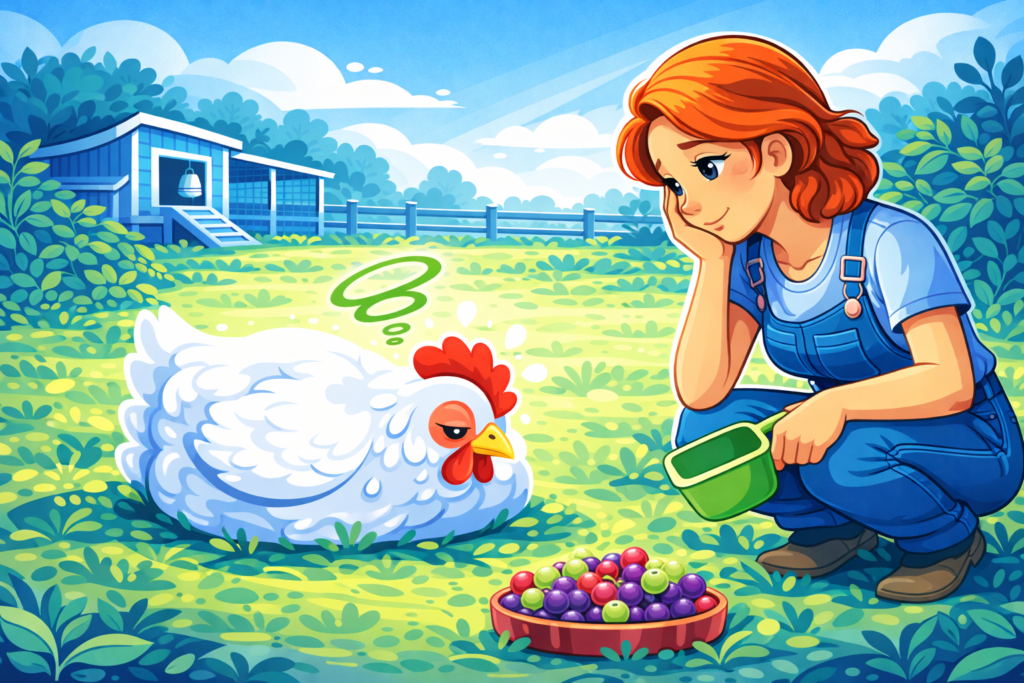
It happens more often than people admit—grapes spill, a bowl tips over, or one chicken hogs the treats. If your chicken eats too many grapes, don’t panic. In most cases, overeating grapes causes mild, temporary issues rather than serious harm. The key is to act quickly, watch closely, and adjust feeding habits going forward. Chickens are resilient, but their digestive systems respond best to simple, consistent care. By recognizing early signs and responding calmly, you can help your chicken recover without lasting problems.
Check for Issues
Watch your chicken for loose droppings, reduced energy, or a swollen crop. Mild diarrhea is the most common sign after too many grapes. Also check appetite—if your chicken ignores regular feed, it may be feeling uncomfortable.
What to Do Now?
Remove all treats and return to regular feed and clean water. This gives the digestive system time to reset. Make sure your chicken stays hydrated and comfortable. In most cases, symptoms improve within a day.
Stop Future Problems
Limit fruit treats and control portions more carefully. Spread treats out so one chicken can’t overeat. Cutting grapes smaller and feeding less often helps prevent repeat issues and keeps your flock’s diet balanced and healthy.
Fresh vs. Dried Grapes: Are Raisins Safe?
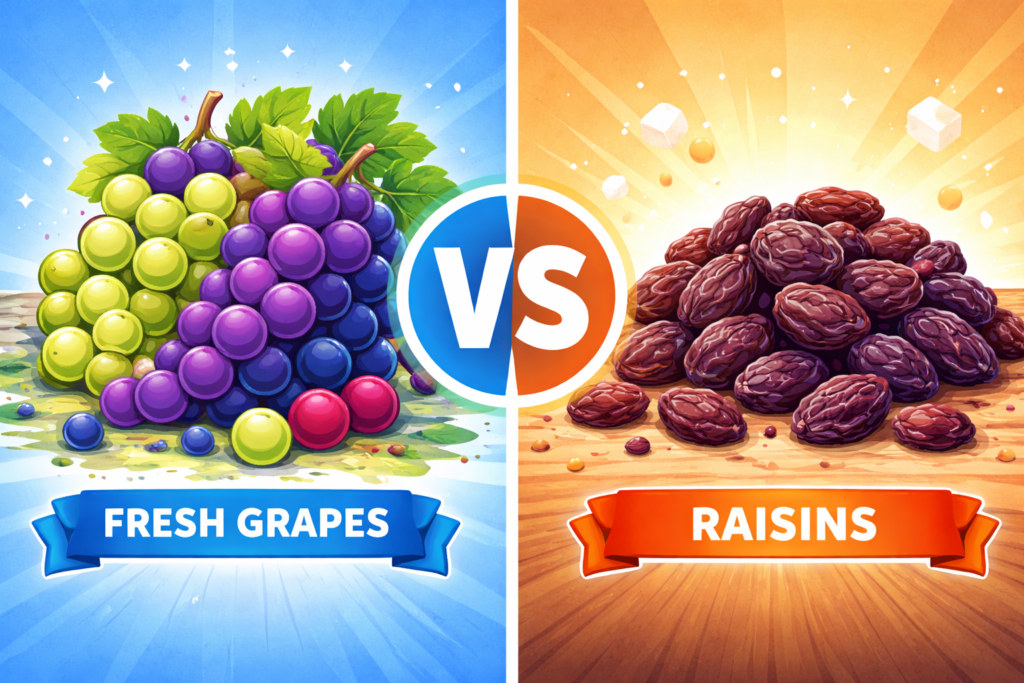
Grapes don’t always look the same by the time they reach the chicken coop. Sometimes they’re fresh and juicy, other times they’re dried into raisins. While both come from the same fruit, their effect on chickens can be very different. Understanding how fresh grapes and raisins compare helps you choose the safer option and avoid accidental overfeeding. The biggest difference isn’t toxicity—it’s concentration. Drying grapes removes water, which changes how much sugar and energy chickens get in every bite.
What Are They?
Fresh grapes are whole, water-rich fruits eaten raw. Raisins are dried grapes with most of the water removed. This drying process shrinks the fruit but concentrates sugars and calories, making raisins much denser than fresh grapes in terms of nutrition.
Key Differences
The main difference is water content. Fresh grapes are mostly water, while raisins are dry and compact. Because of this, raisins contain far more sugar and calories per bite. Chickens can handle fresh grapes more easily than dried ones.
Nutrition Comparison
Below is a simple comparison showing how nutrients change when grapes are dried into raisins. Values are approximate and based on common averages.
| Nutrient (per 100g) | Fresh Grapes | Raisins |
| Water | Very high | Very low |
| Calories | Low | High |
| Natural Sugar | Moderate | Very high |
| Fiber | Low | Moderate |
| Vitamin C | Present | Very low |
| Vitamin K | Present | Present |
| Potassium | Moderate | Higher |
| Energy Density | Light snack | Concentrated snack |
Fresh grapes act like a hydrating snack, helping chickens cool down and enjoy a sweet taste without too much energy at once. Raisins, on the other hand, pack a lot of sugar into a tiny size. A chicken can eat several raisins quickly, which is similar to eating many grapes at once. This makes it easy to overfeed without realizing it.
Are Raisins Safe?
Raisins are not toxic to chickens, but they are risky due to their high sugar concentration. If fed, they should be given rarely and in very small amounts. For most flocks, fresh grapes are the safer choice.
When to Choose Each?
Fresh grapes are best for regular treat use because they’re hydrating and easier to portion. Raisins should only be used occasionally, if at all, and in tiny quantities. When in doubt, stick with fresh grapes to avoid overfeeding sugar.
Signs Your Chicken Ate Too Many Grapes
Even though grapes are safe in moderation, eating too many can cause noticeable changes in your chicken’s body and behavior. Chickens are good at hiding discomfort, so small signs often appear before serious problems develop. Knowing what to look for helps you step in early and adjust their diet before things get worse. Most symptoms linked to overeating grapes are mild and temporary, but they’re still important signals that treat portions need to be reduced. Paying attention to digestion, energy levels, and daily habits supports long-term animal health and keeps your flock feeling its best.
Runny Poop
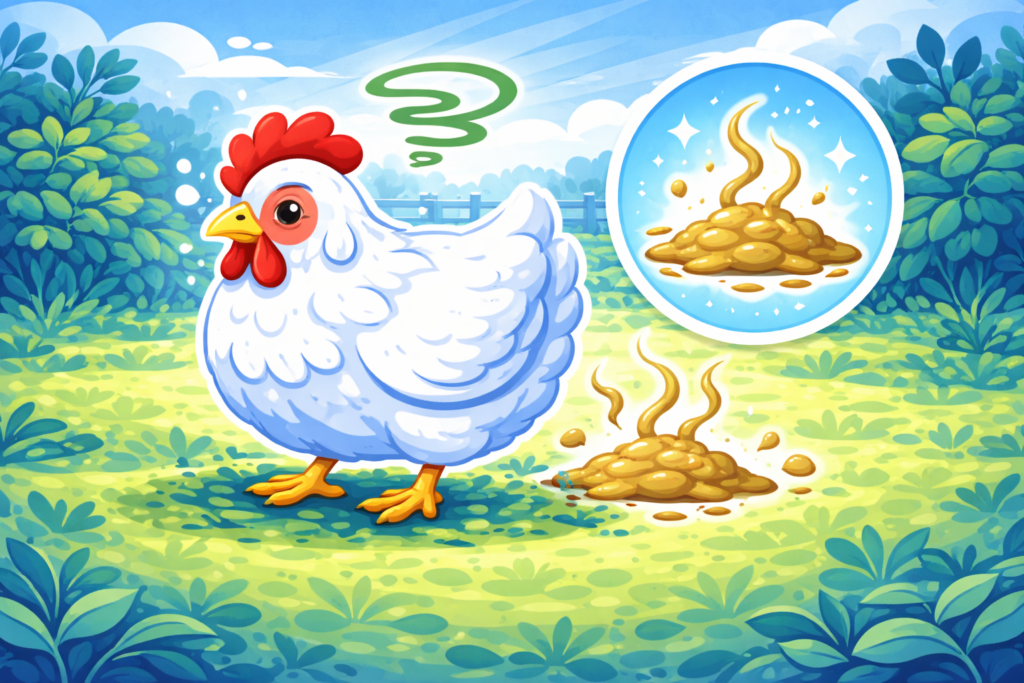
Loose or watery droppings are the most common sign of too many grapes. The high water and sugar content can upset digestion quickly. If droppings don’t firm up within a day after stopping treats, it’s a sign the diet needs adjusting.
Acting Tired
Chickens that eat too much sugar may seem sluggish or less active. After a brief energy spike, they can appear tired or uninterested in foraging. This low-energy behavior usually improves once grapes are removed and regular feed is restored.
Less Hungry
Too many grapes can reduce appetite for balanced feed. Chickens may ignore pellets or crumble because they’re full from treats. This is a warning sign, since skipping proper feed can lead to nutrient gaps if it continues for several days.
Weird Behavior
Some chickens show mild discomfort after overeating fruit. They may stand still longer than usual, fluff their feathers, or act restless. These subtle changes often relate to digestive stress and should improve once fruit treats are paused.
Extra Weight
Weight gain happens slowly, but frequent grape treats can contribute over time. Added sugar means extra calories with little nutrition. If a chicken feels heavier or moves less easily, cutting back on fruit helps restore a healthier balance.
Red vs Green Grapes
When choosing grapes for chickens, color often raises questions. Red and green grapes may look different, but both come from the same family and are safe when fed correctly. The choice usually comes down to nutrition, taste, and availability rather than safety. Chickens don’t care much about color, but small differences can still matter to owners who want to offer the best possible treats. Understanding how red and green grapes compare helps you make smarter, more confident choices for your flock.
Color Source
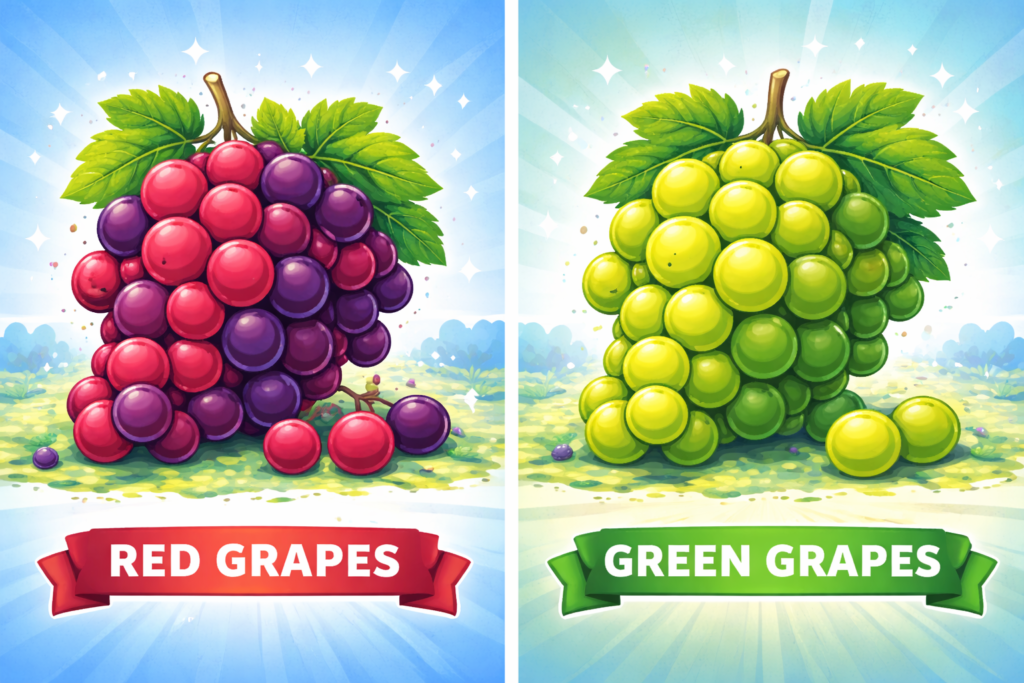
The color of grapes comes from natural plant compounds. Red grapes contain anthocyanins, which give them their darker color. Green grapes lack these pigments, which is why they stay light. Both colors are naturally occurring and safe for chickens.
Taste and Texture
Green grapes are usually firmer and slightly more tart, while red grapes tend to be softer and sweeter. Chickens often enjoy both, though some flocks show a preference for sweeter red grapes due to their softer texture and taste.
Nutrition Edge
Red grapes have a slight nutritional advantage because they contain more antioxidants. These compounds support overall wellness, although the difference is small. Since grapes are only treats, this nutrition edge shouldn’t outweigh moderation and portion control.
Best Uses
Both red and green grapes work well as occasional treats. Choose whichever is fresh and affordable. Cutting them into small pieces and feeding sparingly matters more than color, ensuring grapes stay a safe, enjoyable snack for your chickens.
Healthier Fruit Alternatives to Grapes for Chickens
Grapes are fine as an occasional treat, but they don’t need to be the go-to fruit. Chickens do best with variety, especially fruits that offer more fiber, fewer sugars, or better hydration. Rotating fruits keeps treats exciting while supporting digestion and overall balance. If you’re aiming for healthy treats for chickens, these alternatives can be safer to offer more often and still feel like a special snack.
Why Skip Grapes Often
Grapes are high in natural sugar and low in fiber. When fed too often, they can crowd out balanced feed and upset digestion. Choosing lower-sugar fruits more frequently helps maintain steady energy, healthy weight, and better nutrient intake for your flock.
Top Berry Picks
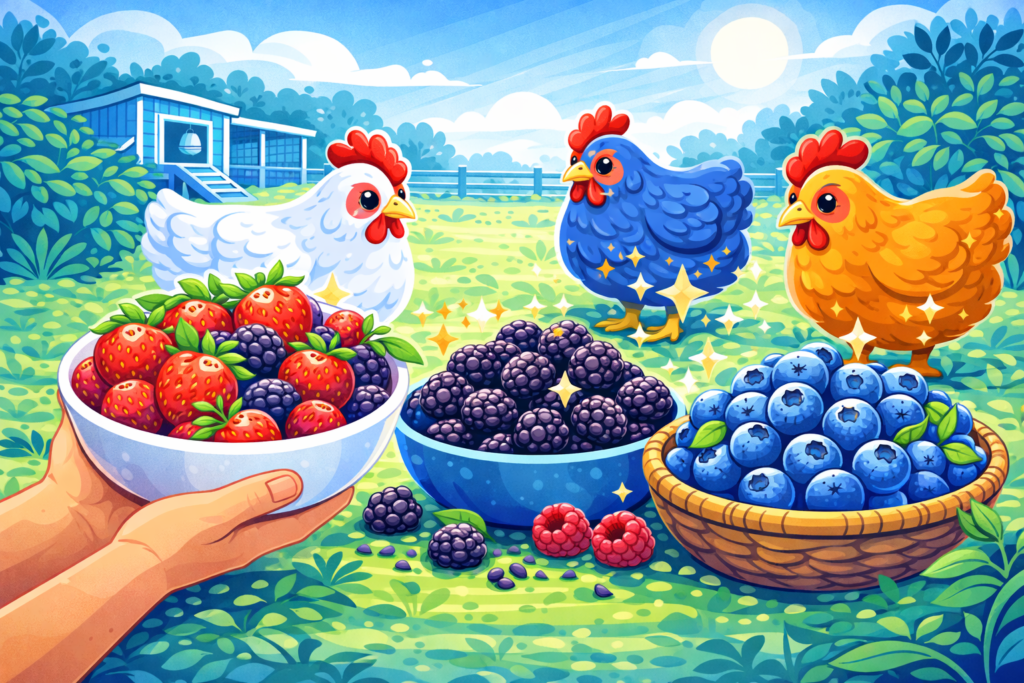
Berries are among the best fruit treats because they’re small, nutrient-dense, and lower in sugar than grapes. They’re easy to portion and packed with antioxidants.
- Blueberries – High in antioxidants and easy for chickens to peck
- Strawberries – Vitamin-rich; remove leaves and cut larger berries
- Raspberries – Good fiber content and soft texture
These berries fit well into backyard chicken treats and can be offered more often than grapes.
Hydrating Melon Choices
Melons are excellent for hydration, especially during hot weather. Their high water content helps chickens stay cool and refreshed while still enjoying a sweet snack.
- Watermelon – Remove seeds; chickens love the flesh
- Cantaloupe – Soft, easy to digest, and mildly sweet
- Honeydew – Gentle flavor and high moisture
Melons pair nicely with warm-weather feeding routines and modern backyard trends focused on comfort and sustainability.
Fiber-Rich Options
Fiber supports digestion and helps keep the crop moving properly. These fruits offer more structure than grapes and are better for regular rotation.
- Apples (no seeds) – Crunchy and satisfying when chopped
- Pears – Softer texture with gentle sweetness
- Pumpkin – Excellent fiber source and seasonal favorite
These options support gut health while still qualifying as safe snacks for chickens, making them smart alternatives to sugary fruits.
Foods You Should Never Feed Chickens
Knowing what not to feed chickens is just as important as knowing what’s safe. Chickens will peck at almost anything, but some foods can seriously harm their health. Certain fruits, vegetables, proteins, and processed foods contain toxins or substances chickens can’t digest properly. Avoiding these items helps prevent illness, long-term damage, and sudden health emergencies. When planning treats, always think safety first and stick to foods that support natural digestion and balanced nutrition.
Poisonous Fruits
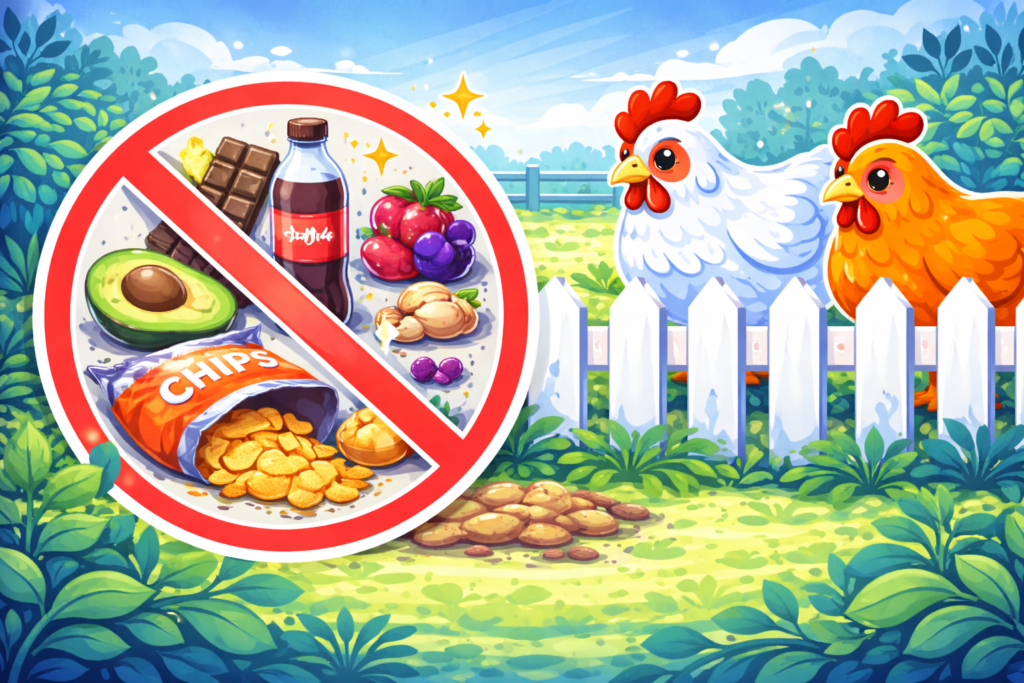
Some fruits are dangerous for chickens. Avocado skins and pits contain persin, which is toxic. Fruit pits and seeds from peaches, cherries, and plums can also be harmful. Always remove pits and avoid feeding any questionable fruit parts.
Toxic Veggies
Certain vegetables can be unsafe when raw. Green potato skins, raw potatoes, and green tomato parts contain harmful compounds. These can upset digestion and stress the body. Only feed vegetables that are known to be safe and properly prepared.
Dangerous Proteins
Spoiled meat, raw fish scraps, and heavily salted foods should never be fed. These can introduce bacteria or cause digestive distress. Chickens need clean, safe protein sources, not leftovers that could harm their health or attract pests.
Junk and Sweets
Processed foods, candy, chips, and sugary baked goods are harmful. They provide empty calories and can lead to obesity and digestive issues. Avoid human junk food entirely and focus on natural, whole foods that support a healthy chicken diet.
Common Myths About Chickens and Fruit
Fruit often gets a bad reputation in chicken care circles, mostly because of misunderstandings passed around online. While caution is important, many fruit-related fears are exaggerated or simply incorrect. Clearing up these myths helps chicken owners make smarter feeding choices and avoid unnecessary restrictions. Just like with other animal diets, context and moderation matter far more than blanket rules. Let’s separate fact from fiction and look at the most common myths about chickens and fruit.

Chickens Can’t Eat Fruit
This myth is false. Chickens can eat many fruits safely, including grapes, berries, and melons. Fruit should be a treat, not a main food, but it’s perfectly fine in moderation. The confusion often comes from applying rules meant for other animals to chickens.
All Fruit Seeds Are Poisonous
Not all fruit seeds are dangerous. While pits from stone fruits like cherries and peaches should be avoided, many small seeds pass through chickens without issue. Understanding which seeds are risky—and which aren’t—helps avoid unnecessary fear around feeding fruit.
Citrus Fruits Harm Chickens
Citrus fruits aren’t toxic to chickens. Most chickens simply don’t like the sour taste. Small amounts won’t hurt them, but citrus isn’t very nutritious for chickens either. This myth often spreads through misunderstood common terms and repeated online warnings.
Fruit Makes Chickens Sick
Fruit itself doesn’t make chickens sick—overfeeding does. Too much fruit can upset digestion, but small portions are safe. Many health concerns blamed on fruit are actually caused by poor balance, not the fruit itself, as seen across broader animal health discussions.
Frequently Asked Questions
When it comes to feeding fruit, especially grapes, it’s normal to have a lot of quick questions. Chickens eat differently than pets like dogs or cats, and much of the confusion online comes from mixing those rules together. This FAQ section clears up the most common concerns in simple, practical terms so you can feel confident making safe choices for your flock.
No, chickens should not eat grapes every day. Grapes are a treat, not a staple food. Daily feeding can lead to excess sugar intake, loose droppings, and reduced interest in balanced feed. Offering grapes once or twice a week is a safer routine.
Both green and red grapes are safe for chickens. Red grapes contain slightly more antioxidants, while green grapes are often firmer and less sweet. The difference is small, so freshness and portion size matter far more than color when choosing grapes.
Yes, chickens can eat grape skins without any problem. The skins are soft and digestible. Just make sure grapes are washed well to remove dirt or chemical residue, and cut them into smaller pieces to prevent choking.
Grapes don’t directly stop egg production, but too many treats can. If chickens fill up on grapes instead of balanced feed, they may miss key nutrients needed for laying eggs. Keeping grapes occasional helps maintain steady egg production.
Yes, chickens can eat frozen grapes, but they should be cut into small pieces first. Frozen grapes can be especially helpful during hot weather as a cooling treat. Always serve them in moderation and never as a replacement for fresh water.
No, grapes are not toxic to chickens the way they can be for dogs. This is a common myth that causes unnecessary worry. Chickens process grapes differently, so small amounts are safe when fed properly.
If your chicken eats too many grapes, remove all treats and offer only regular feed and clean water. Watch for loose droppings or low energy. In most cases, symptoms clear up within a day without any special treatment.
Yes, some fruits should be avoided. Avocado skins and pits are toxic, and stone fruit pits like peach or cherry pits are unsafe. When in doubt, research unfamiliar fruits before feeding to make sure they’re safe.
Yes, chickens can eat both bananas and grapes in moderation. Bananas are softer and higher in calories, while grapes are more hydrating. Offering small amounts of each as part of varied, homemade chicken treats with fruit keeps treats enjoyable and balanced.