Introduction
Spiders may look simple at first glance, yet their lives follow a fascinating pattern. Understanding the spider life cycle for beginners helps explain why spiders appear, disappear, and behave the way they do. In this guide, spider life explained simply, you’ll explore every stage clearly and confidently.
What Is the Average Lifespan of a Spider?
The average lifespan of a spider depends on its species, environment, and role in nature. Some spiders live only a few months, while others survive for many years. In general, small house spiders live around one year. Larger spiders, such as tarantulas, can live much longer, especially females.
Spiders experience their lives through clear spider lifespan stages. From egg to spiderling to adult, each phase shapes how long they survive. Unlike mammals, spiders grow by molting, which means shedding their outer shell. These spider molting stages strongly influence lifespan because each molt requires energy and safety.
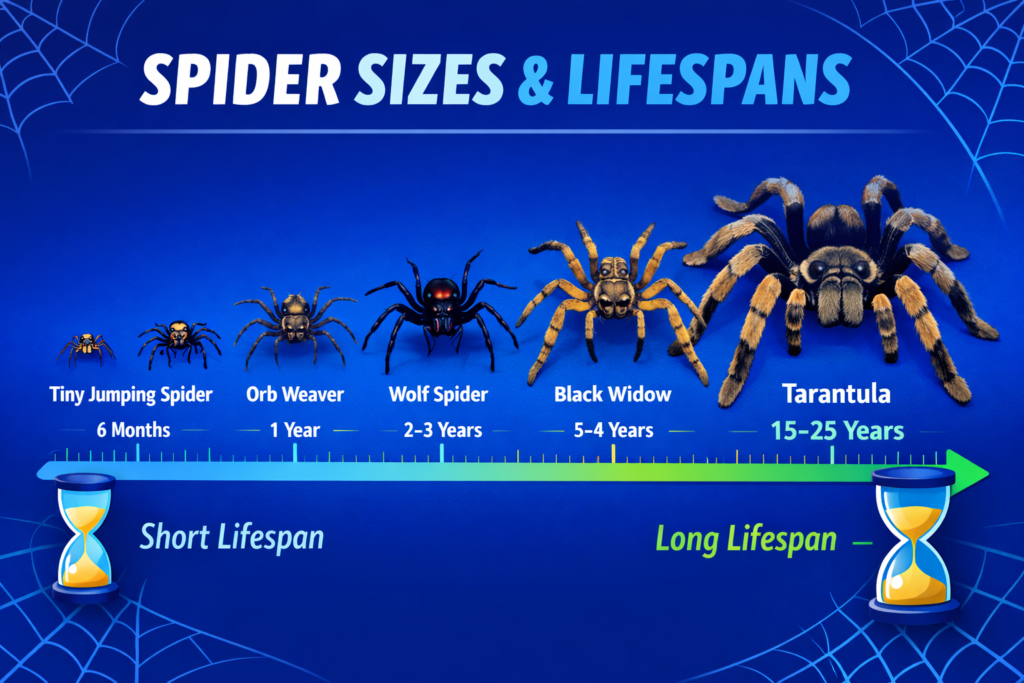
Environment also matters. Wild spiders face predators, weather, and limited food, which shortens life. Indoor spiders often live longer due to stable temperatures and fewer enemies. Think of it like city life versus life in the wild—comfort and safety extend survival.
Overall, the spider life journey isn’t about age alone. It’s about survival skills, timing, and conditions working together.
The phases of the spider life cycle
The phases of the spider life cycle follow a simple but effective pattern. Spiders grow in steps, not smoothly like humans. Each phase prepares them for the next part of their spider development stages.
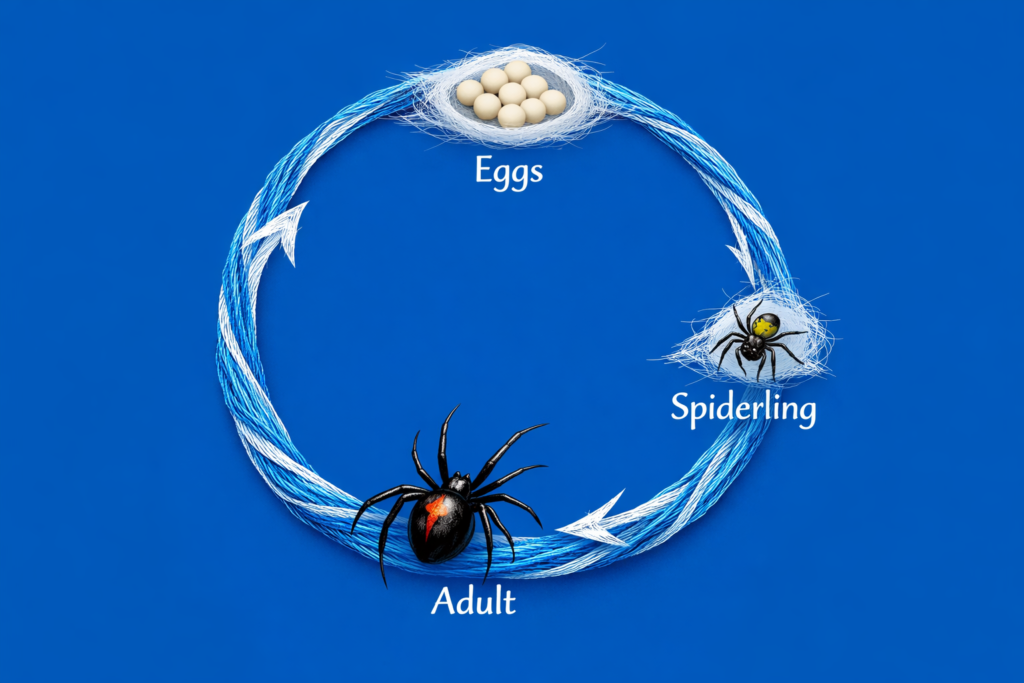
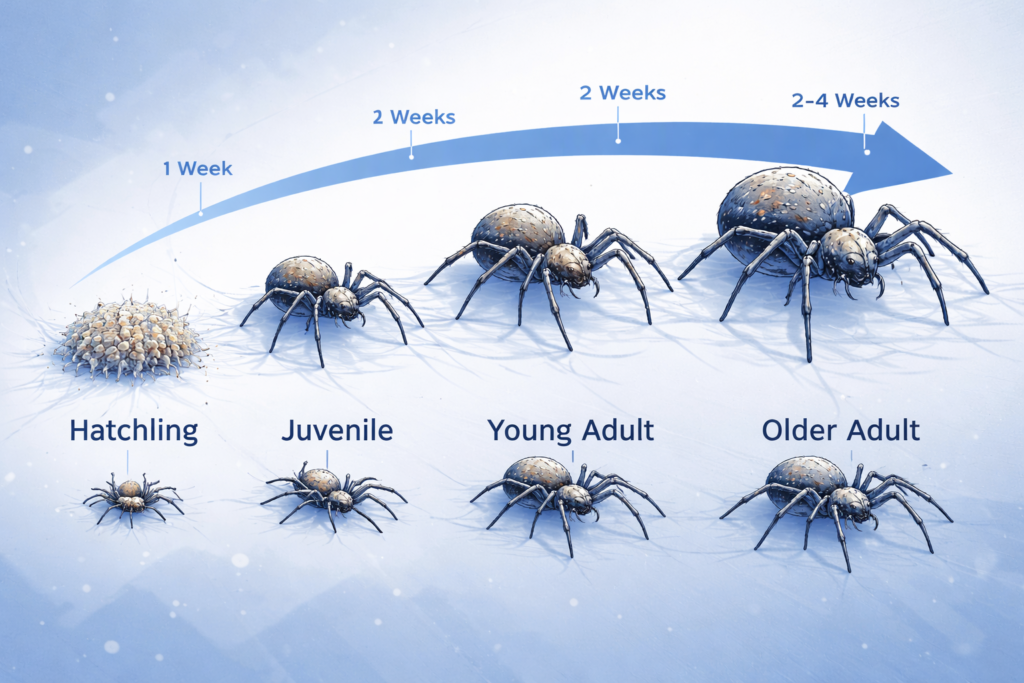
This process includes three main spider life stages: egg, spiderling, and adult. Each stage plays a specific role in spider growth stages and survival. Understanding these spider lifecycle stages makes spider behavior easier to explain.
Egg Stage
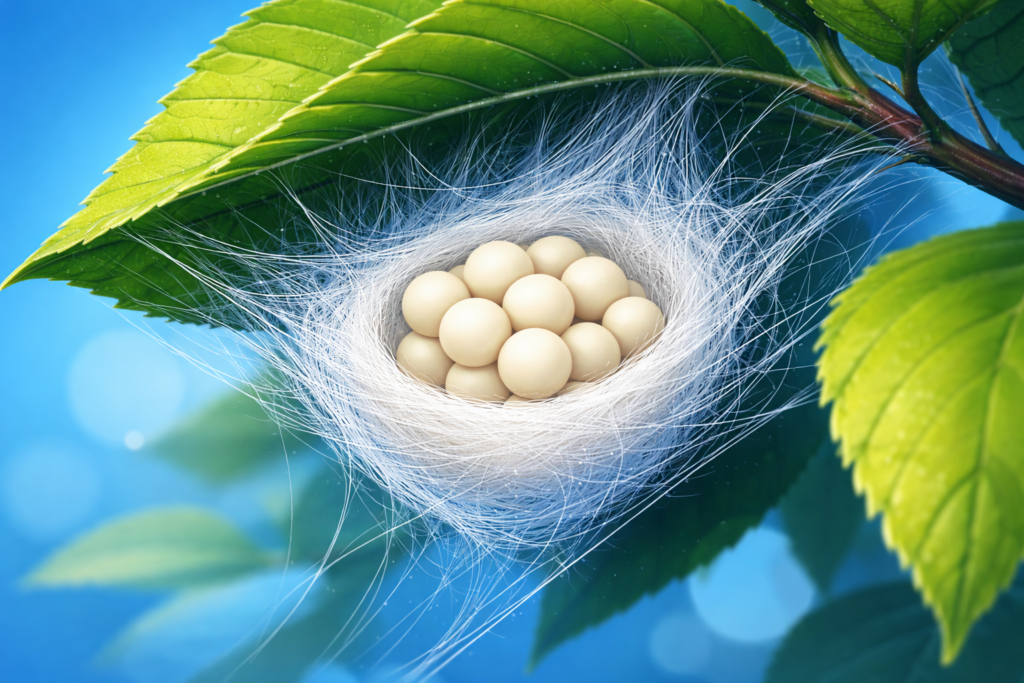
The spider egg stage begins inside a silk sac laid by the female. This sac protects hundreds of tiny eggs from cold, predators, and drying out. Eggs remain still while development happens quietly inside, marking the true beginning of the spider reproduction cycle.
Spiderling Stage
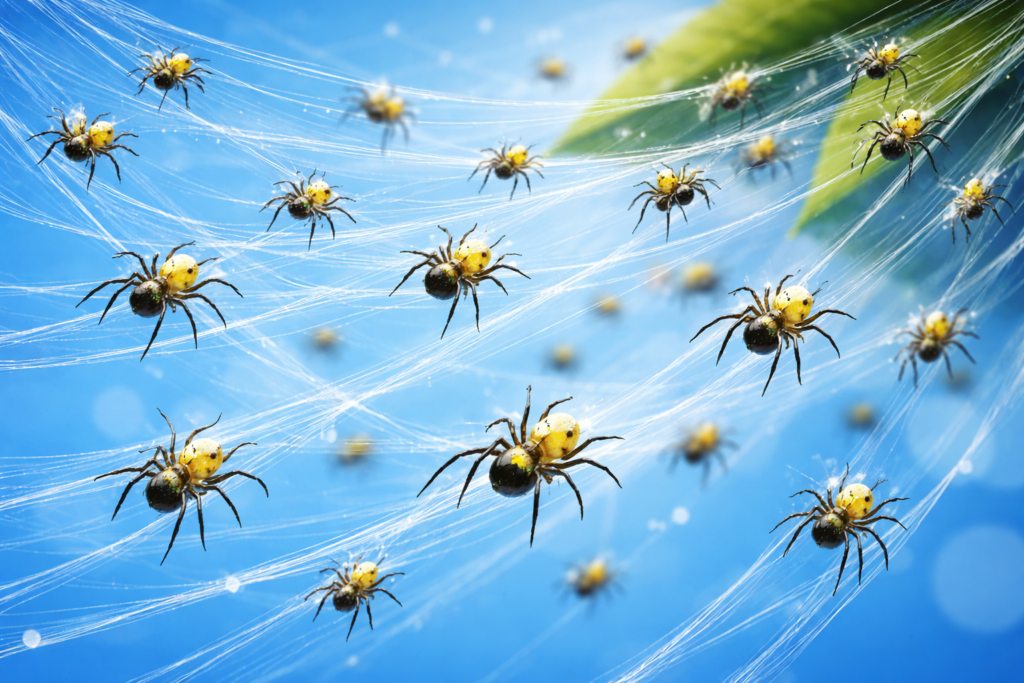
Once eggs hatch, spiderlings emerge. This baby spider life cycle stage is fragile and risky. Spiderlings often disperse quickly to avoid competition and danger. Many won’t survive, but those that do continue through spider molting stages.
Adult Stage
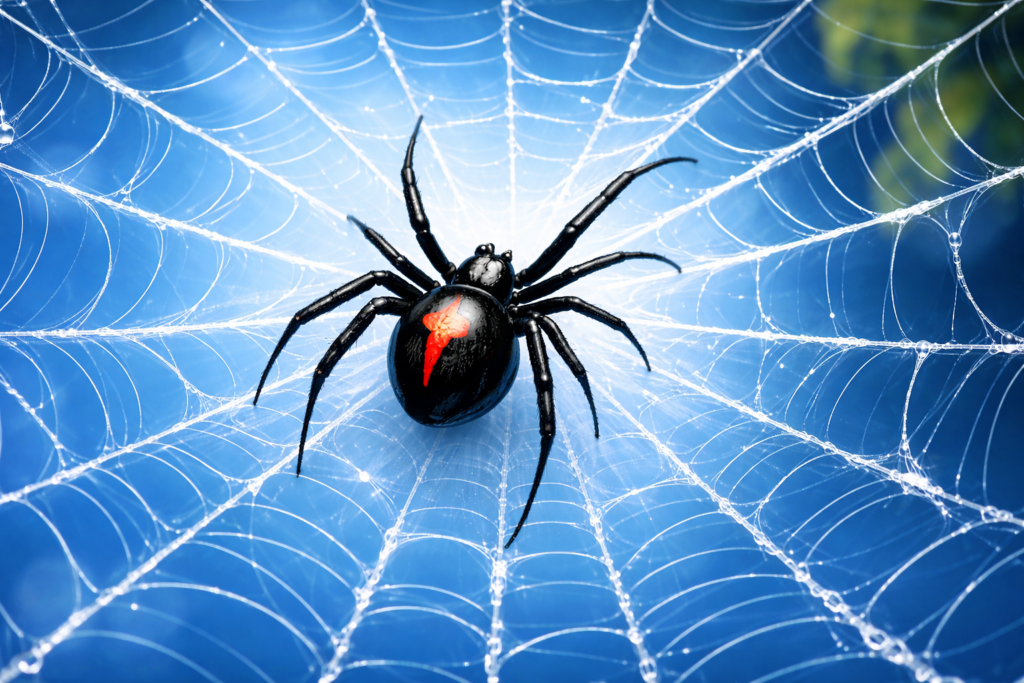
After several molts, spiders reach adulthood. At this stage, reproduction becomes the main goal. Adult spiders focus on hunting, mating, and survival, completing the spider life journey.
How Long Do Spiders Live in the Wild vs Indoors?
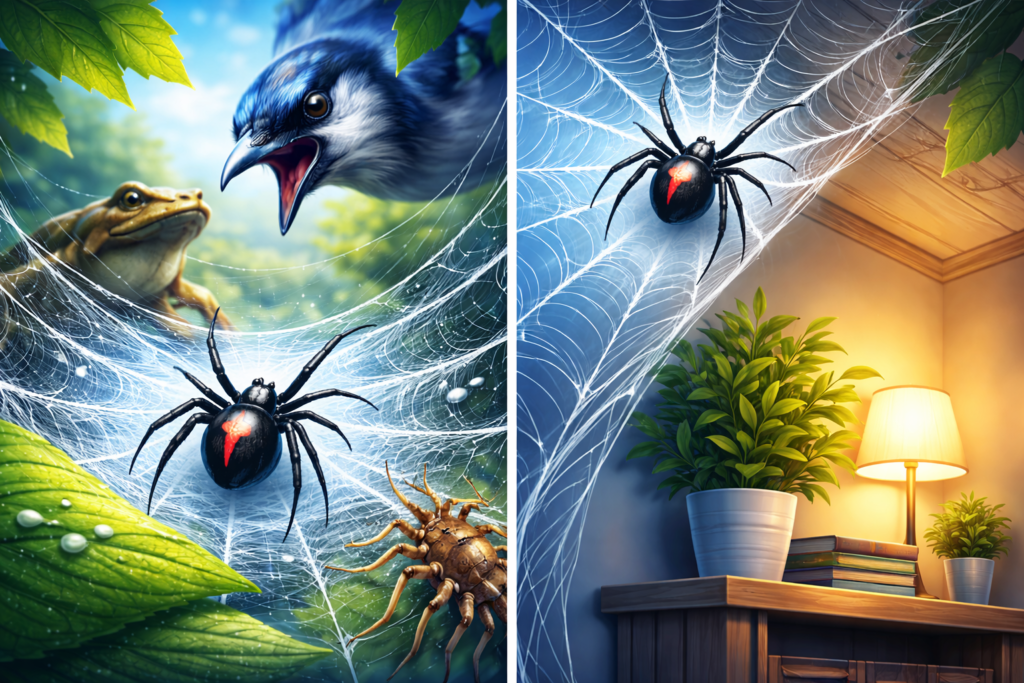
Where a spider lives plays a huge role in how long it survives. Life in the wild is full of freedom, but it also comes with constant danger. Indoors, spiders lose access to a natural ecosystem, yet they often gain safety and stability. These two environments shape the spider life journey in very different ways, influencing survival, growth, and aging.
Wild Lifespan
In the wild, spiders usually live shorter lives. They must deal with predators, harsh weather, changing seasons, and competition for food. Even though wild environments offer rich natural habitats, danger is always nearby. Because of these risks, most wild spiders survive only a few months to about one year, especially smaller species.
Indoor Lifespan
Indoor spiders often live longer than their wild relatives. Inside homes, temperatures stay steady, rain and wind disappear, and predators are fewer. Food sources like flies and mosquitoes still exist, especially near lights. These stable conditions help spiders move through more spider lifespan stages, allowing some to live one to three years.
Key Differences
The biggest difference comes down to risk versus comfort. Wild spiders face constant threats but enjoy natural space and prey variety. Indoor spiders trade freedom for safety. While they live in smaller areas, fewer dangers mean better survival odds. In simple terms, wild life is tougher, while indoor life is calmer and often longer.
How Long Do Common House Spiders Live?
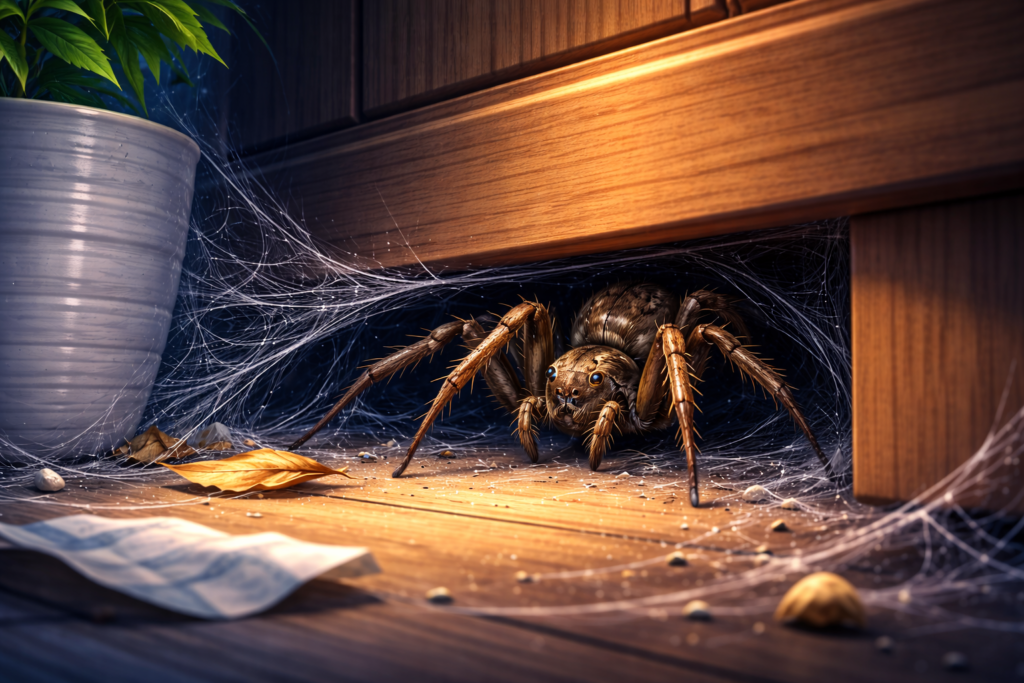
Common house spiders are quiet roommates that often go unnoticed for months. Because they live indoors, their lifespan looks very different from spiders outside. Stable temperatures, fewer predators, and regular access to small insects allow them to complete more spider life stages safely. While they may seem fragile, many house spiders are surprisingly resilient and well adapted to indoor living. Their spider life journey often unfolds slowly, hidden in corners, ceilings, and behind furniture, which helps them survive longer than people expect.
Average Lifespan
On average, common house spiders live between one and two years. Some may die sooner, but others can survive longer if conditions remain calm. Female house spiders usually live longer than males, mainly because they move less and avoid danger. Indoors, these spiders often reach full adulthood and complete most spider lifespan stages.
Factors Affecting Life
Several factors affect how long house spiders live. A steady food supply, low human disturbance, and safe hiding places all matter. Warm indoor temperatures support the spider aging process and reduce stress during spider molting stages. On the other hand, frequent cleaning, chemicals, or lack of insects can shorten their spider life journey.
Life Stages
House spiders go through the same spider life stages as other species: egg, spiderling, and adult. Indoors, more spiderlings survive because conditions stay stable. As they grow, they pass through multiple spider growth stages, molting along the way, until they reach adulthood and begin the spider reproduction cycle.
How Long Can Spiders Live Without Food?
Spiders are masters of patience. Unlike many animals that must eat every day, spiders can survive long periods without food. This ability helps them get through slow hunting days and tough seasons. Because their bodies use energy slowly, spiders can pause eating without immediate harm. This survival skill plays a big role in the spider life journey, especially during quiet periods between meals. Think of spiders like phones on low-power mode—they stretch their energy much longer than expected.
Average Timeframe
Most spiders can live two to four weeks without food. Larger species, such as tarantulas, may survive several months if water is available. Smaller spiders usually last for a shorter time. During this period, spiders slow down activity, helping them protect their place in the spider lifespan stages without burning energy.
Why They Last Long?
Spiders last so long without food because of their slow metabolism. They digest meals slowly and store nutrients efficiently. This process supports spider aging process balance and allows spiders to wait safely for prey. Their hunting style also helps, since spiders often stay still rather than chase food.
Factors That Matter
Several factors affect how long a spider can survive without food. Temperature plays a big role—cooler conditions help spiders conserve energy. Access to water, spider size, and life stage also matter. Young spiderlings and spiders in active spider molting stages need food more often, while adults can wait longer.
How Long Do Dangerous or Famous Spiders Live?
Some spiders stand out because of their venom, size, or reputation. While they may seem more dangerous, their lifespans aren’t about fear—they’re about biology, behavior, and environment. These well-known spiders often move through spider life stages more slowly and carefully, which can extend their spider life journey. Venom helps with hunting and defense, but longevity still depends on food, safety, and successful spider development stages.
Average Spider Life
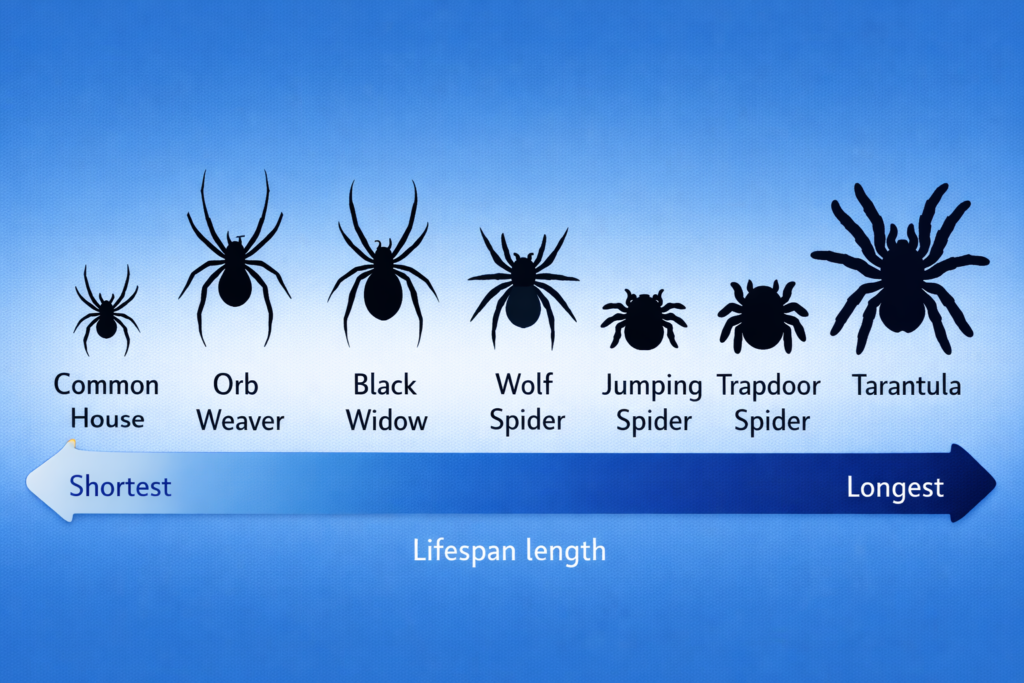
Most dangerous or famous spiders live between one and three years. This range covers many venomous species that rely on hiding and ambush rather than speed. Their controlled lifestyle reduces risk, helping them complete more spider lifespan stages than smaller, more exposed spiders.
Black Widow Spiders
Black widow spiders are known for their shiny black bodies and red markings. Females often live two to three years, while males live much shorter lives. Females conserve energy, stay hidden, and focus on the spider reproduction cycle, which helps them survive longer and complete more spider aging process stages.
Brown Recluse Spiders
Brown recluse spiders usually live one to two years. They avoid conflict and prefer dark, quiet places like closets or basements. This shy behavior lowers danger and supports steady progress through spider growth stages. Their reclusive nature is a key reason they survive as long as they do.
Tarantulas and Trapdoors
Tarantulas and trapdoor spiders are the true long-lifers. Female tarantulas can live 20 years or more, while some trapdoor spiders survive several decades. Their slow spider development stages, low movement, and protected homes allow them to extend their spider life journey far beyond most other species.
What Factors Affect How Long Spiders Live?
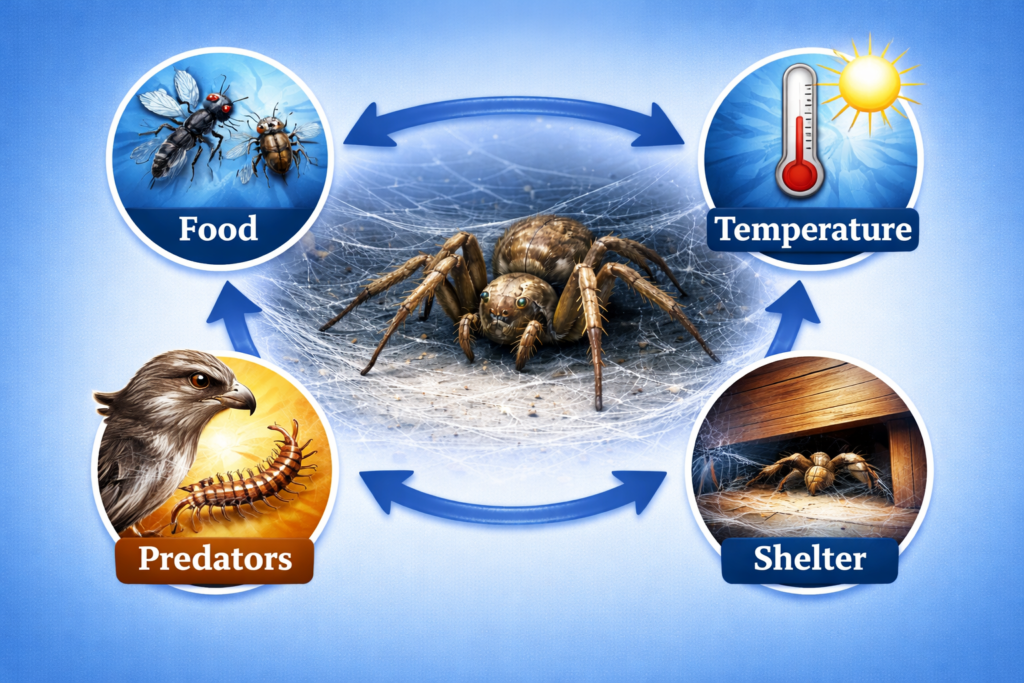
A spider’s lifespan isn’t random. It’s shaped by a mix of biology, environment, and daily risks. From body design to food access, each factor influences how smoothly a spider moves through its spider life stages. Think of lifespan like a road trip—better fuel, safer roads, and a reliable vehicle help you go farther. In spiders, these elements work together across spider growth stages and the spider aging process.
Spider Type
Spider type is one of the biggest factors. Small, fast-growing spiders usually have short spider lifespan stages, often lasting months. Larger spiders grow slowly and pass through more spider molting stages, which often means longer lives. Species differences in spider anatomy—such as size, leg strength, and venom—also affect hunting success and survival over time.
Male vs Female
Sex plays a major role in how long spiders live. Female spiders usually live longer than males because they take fewer risks. Males roam more while searching for mates, which exposes them to predators. Females stay hidden, conserve energy, and focus on the spider reproduction cycle, allowing them to complete more spider development stages.
Food Supply
Food availability directly affects lifespan. Spiders with steady access to insects grow stronger and handle spider molting stages better. When food is scarce, spiders slow down growth and aging, but long-term shortages weaken them. A reliable food supply supports a longer spider life journey and healthier development.
Temperature and Humidity
Temperature and humidity strongly influence spider survival. Warm, stable conditions help spiders conserve energy and digest food efficiently. Humidity prevents dehydration, while proper airflow supports healthy oxygen levels. Extreme heat, cold, or dryness speeds up the spider aging process and shortens lifespan.
Dangers from Others
Predators, parasites, and humans are constant threats. Birds, lizards, insects, and even cleaning products can end a spider’s life early. Frequent danger interrupts spider lifespan stages before they fully develop. Spiders that can hide well or live in low-risk areas have much better survival odds.
How Long Do Male vs Female Spiders Live?
Male and female spiders live very different lives, even within the same species. Their roles during the spider reproduction cycle shape how long they survive. While both pass through the same spider life stages, their behavior, risk level, and energy use vary greatly. As a result, females usually enjoy a longer spider life journey, while males live faster, riskier lives that often end sooner.
Male Spiders
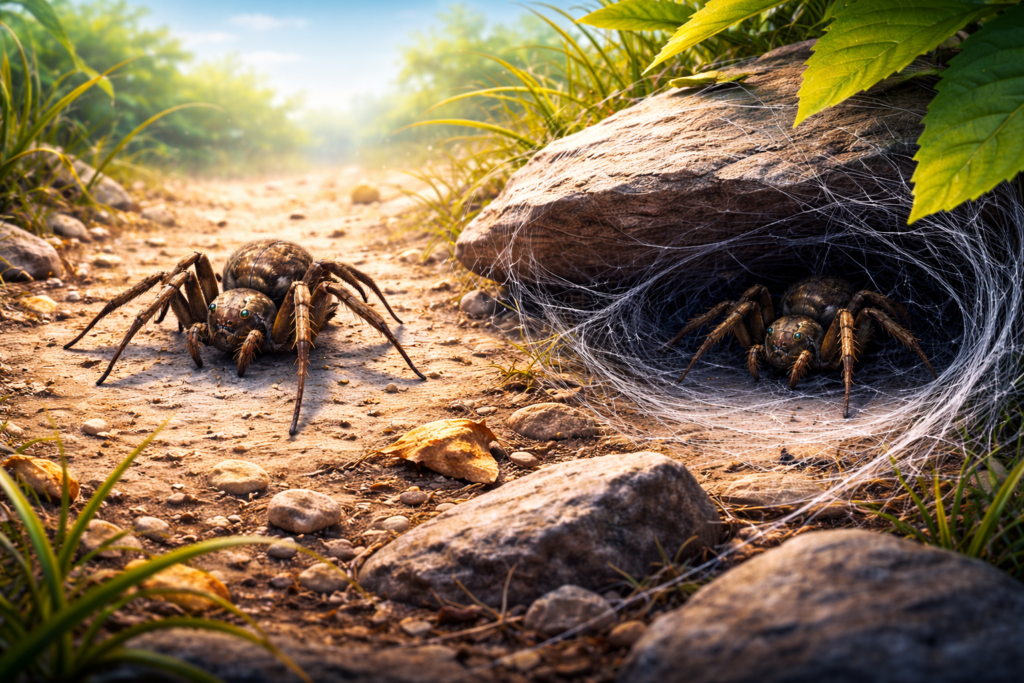
Male spiders usually have shorter lifespans. After reaching adulthood, their main goal becomes finding a mate. This requires traveling long distances, leaving safe hiding spots, and facing predators. Because of this constant risk, many males die within months after maturity, sometimes even right after mating, before completing later spider lifespan stages.
Female Spiders
Female spiders tend to live much longer than males. They stay hidden, conserve energy, and focus on producing eggs. Females often survive multiple breeding seasons and protect egg sacs, which extends their spider life journey. Their cautious behavior helps them pass through more spider aging process stages safely.
Key Differences
- Male spiders roam widely to find mates
- Female spiders stay hidden and conserve energy
- Males face higher predator risk
- Females complete more spider lifespan stages
- Females usually outlive males by months or even years
These differences explain why female spiders dominate longevity in most species.
Do Spiders Die After Mating?
Many people believe that spiders always die after mating, but that idea is only partly true. While some species are famous for dramatic mating outcomes, most spiders survive and continue their spider life journey. What happens after mating depends on the species, the situation, and how carefully the male behaves. Mating is a risky but important part of the spider reproduction cycle, and survival often comes down to timing, size, and strategy.
Not All Spiders
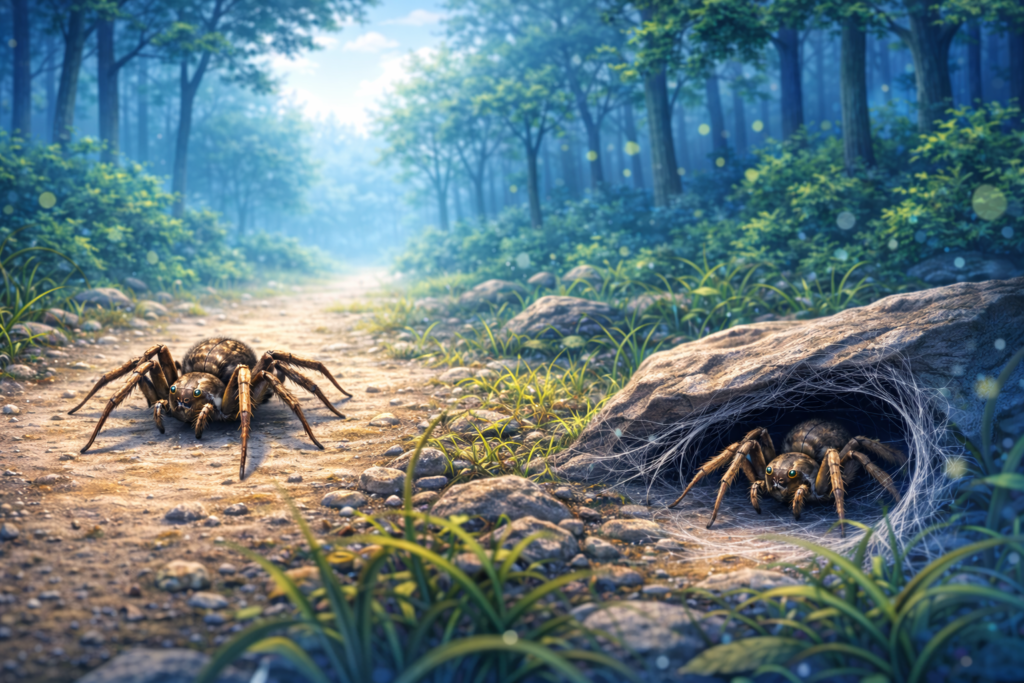
Most spiders do not die after mating. In many species, males successfully mate and then move on, sometimes even mating multiple times. These spiders continue through their remaining spider lifespan stages, although males usually live shorter lives overall. Death after mating is the exception, not the rule, in spider life explained simply.
Species That Die
Some species are known for males dying after mating, either from exhaustion or being eaten. Black widows and certain orb-weaver spiders fall into this group. In these cases, males often die shortly after adulthood. This behavior is part of their spider development stages and has evolved over time.
Why Females Eat Males?
Female spiders sometimes eat males to gain extra nutrients. This meal helps support egg development and improves offspring survival. In simple terms, the male’s body becomes fuel for the next spider life stages. While it sounds harsh, this behavior strengthens the spider reproduction cycle.
Survival Tricks
Not all males accept this fate. Some use clever survival tricks, such as quick mating, distraction movements, or approaching females cautiously. Others time mating when females are well-fed. These strategies increase the chance of escape and allow males to continue their spider life journey a little longer.
Defense Strategies of Spiders That Prolong Their Lifespan
Spiders may be small, but they are incredibly smart survivors. Over millions of years, they’ve developed clever defense strategies that help them avoid danger and live longer. These tactics allow spiders to safely move through their spider life stages while reducing the risk of injury or death. Instead of relying on strength, spiders use stealth, timing, and intelligence. Each strategy plays a role in protecting them during vulnerable spider development stages, especially molting and mating. Think of these defenses as built-in survival tools that quietly support a longer spider life journey.
Hiding in Plain Sight
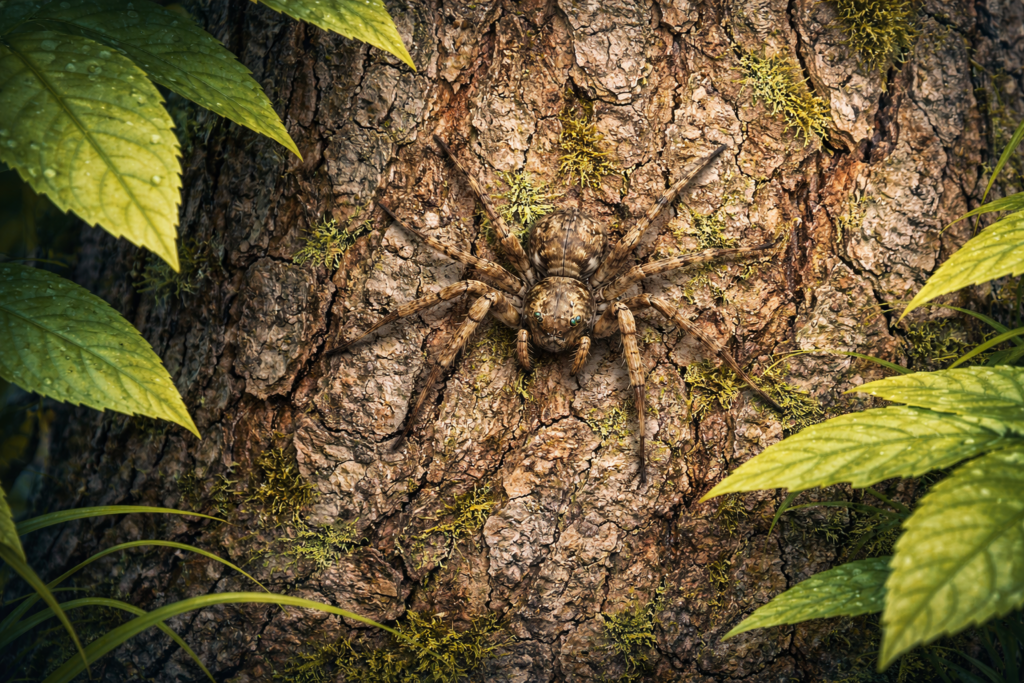
Many spiders rely on camouflage to stay alive. Their colors and patterns blend perfectly with leaves, bark, walls, or sand. By staying still and unseen, spiders avoid predators without using energy. This strategy is especially important during spider molting stages, when movement is risky and the body is soft.
Dangerous Venom Bite
Venom is one of a spider’s most powerful defenses. While it’s mainly used to subdue prey, it also scares away attackers. A quick venomous bite can stop a threat instantly. This ability reduces physical struggle and injury, helping spiders survive longer across multiple spider lifespan stages.
Smart Web Alerts
Web-building spiders use their webs like alarm systems. Vibrations tell them whether something is prey, danger, or nothing at all. This early warning system lets spiders react quickly—either attacking or escaping. Smart web alerts protect spiders while hunting and resting, supporting a safer spider aging process.
Pretend to Be Dead
Some spiders use a trick called playing dead. When threatened, they freeze completely, making predators lose interest. This tactic works well against animals that hunt moving targets. By avoiding fights altogether, spiders preserve energy and avoid injury, which helps extend their spider life journey.
Safe Underground Homes
Burrowing spiders, like trapdoor spiders, live in underground shelters. These homes protect them from weather, predators, and human activity. Living underground creates a stable environment that supports slow spider growth stages and allows some species to live for decades, far longer than most surface-dwelling spiders.
How Long Do Pet Spiders Live?
Pet spiders often live longer than spiders in the wild because their environment is controlled and predictable. When spiders are kept as pets, they don’t face predators, harsh weather, or food shortages. This stability allows them to move through spider life stages more smoothly and safely. With proper pet care, many pet spiders complete their spider life journey with far less stress, making captivity surprisingly beneficial for certain species.
Average Lifespan
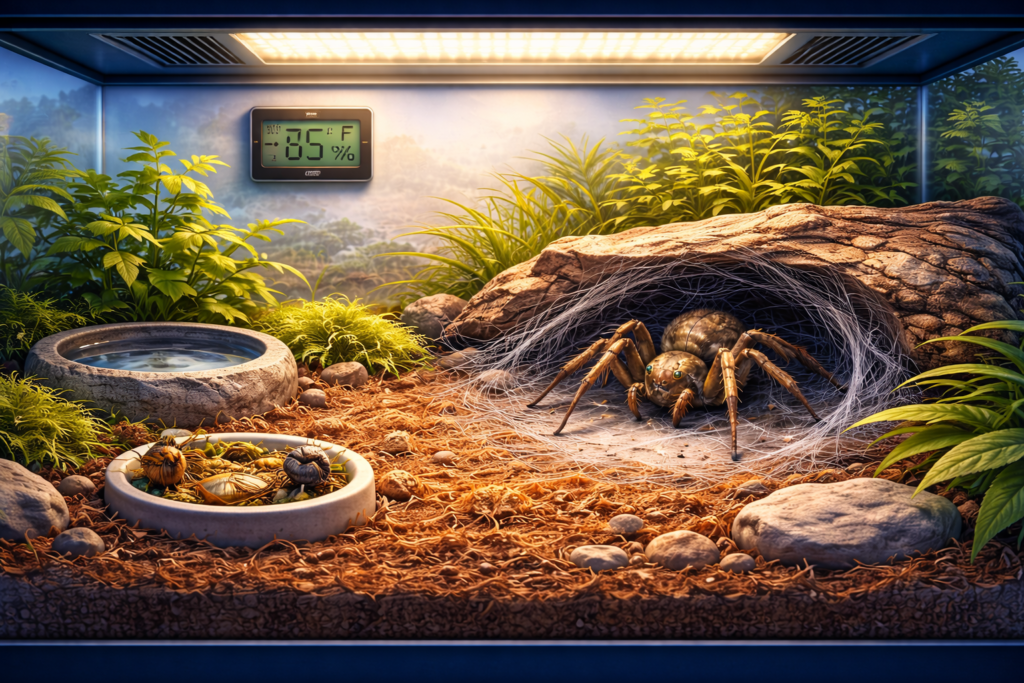
Most pet spiders live between two and five years. Smaller species may live closer to the lower end, while larger spiders often exceed this range. Because food and shelter are consistent, pet spiders experience fewer interruptions during spider molting stages, which helps extend their overall lifespan.
Longest-Living Pets
Tarantulas are the longest-living pet spiders. Female tarantulas can live 15 to 25 years, and sometimes even longer with excellent care. Their slow spider development stages and calm lifestyle allow them to age gradually. This makes them popular among experienced spider keepers looking for long-term companions.
Factors Affecting Life
Several factors affect how long pet spiders live. Proper enclosure size, correct temperature and humidity, clean conditions, and a steady food supply all matter. Stress from handling or poor setup can shorten the spider aging process. When conditions closely match a spider’s natural needs, lifespan increases significantly.
How Do Spiders Die Naturally?
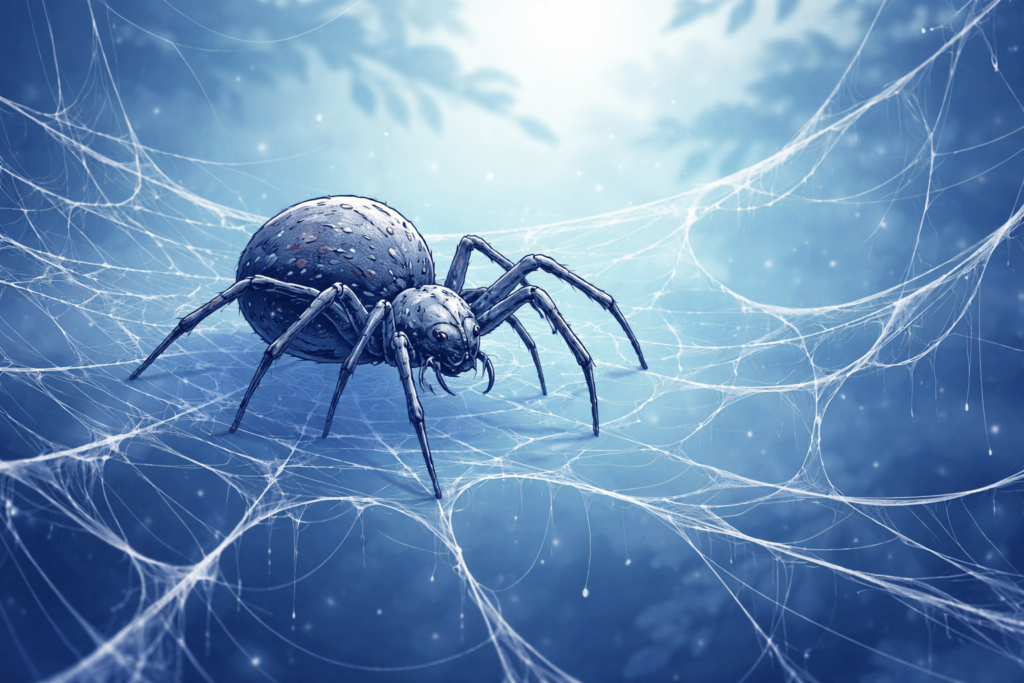
Spiders usually don’t die suddenly or dramatically. In most cases, death comes from natural limits built into their bodies or from slow environmental pressures. Just like all living creatures, spiders move through a complete spider life journey with a clear beginning and end. Their spider aging process is quiet and often unnoticed, especially because spiders hide well. Natural death can happen for several reasons, including age, lack of food or water, and health problems. Understanding these causes helps explain why spiders sometimes disappear without a trace.
Old Age Limits
Old age is a natural ending point for spiders. Over time, their bodies weaken, and molting becomes difficult or stops completely. Once spiders can no longer molt, their spider development stages end. Muscles lose strength, movement slows, and hunting becomes harder. Eventually, the spider reaches the final stage of its spider lifespan stages and dies naturally.
Starvation Hits Hard
Starvation is another common cause of natural death. When spiders can’t catch prey for long periods, their energy reserves run out. This weakens their bodies and prevents proper molting. Younger spiders and those still in active spider growth stages are affected faster, while adults may last longer before starvation becomes fatal.
Dehydration Dries Them Out
Water is just as important as food. Spiders lose moisture through breathing and movement. Without enough humidity or water sources, dehydration sets in quickly. Dry conditions speed up the spider aging process and cause internal systems to fail. Dehydration often kills spiders faster than hunger.
Diseases and Parasites
Spiders can suffer from fungal infections, bacteria, and parasites like mites or wasps. These invaders weaken spiders slowly, draining energy and damaging organs. Illness disrupts normal spider life stages and often goes unnoticed until death occurs, especially in hidden environments.
Why Legs Curl?
When a spider dies, its legs often curl inward. This happens because spiders use hydraulic pressure to extend their legs. After death, pressure drops, and muscles relax. As a result, the legs fold naturally, creating the curled position commonly seen in dead spiders.
Why Spiders Seem to Disappear Suddenly?
Spiders often feel like they vanish into thin air, but in reality, they’re just incredibly good at survival. Their behavior is shaped by millions of years of evolution, helping them avoid danger and stay out of sight. Throughout their spider life stages, disappearing is a smart move, not a mystery. Whether escaping predators or humans, spiders rely on speed, stealth, and clever tricks to protect their spider life journey. What looks like magic is actually strategy at work.
They Hide Well
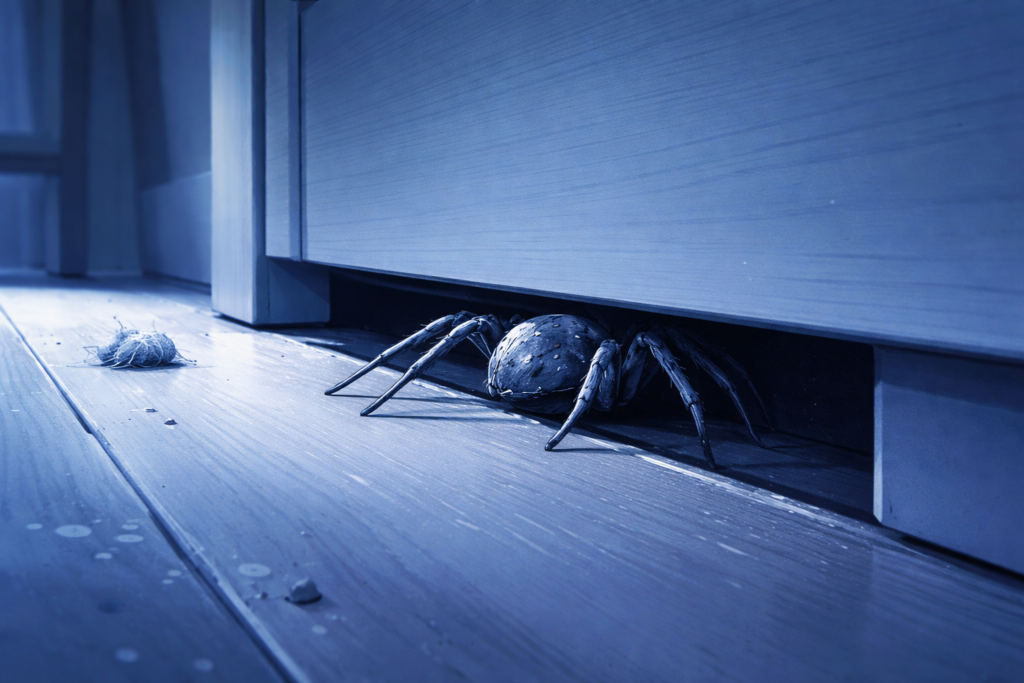
Spiders are experts at hiding. They slip into tiny cracks, behind furniture, inside walls, or under floors in seconds. Their flat bodies and flexible legs help them squeeze into spaces you’d never expect. This hiding behavior keeps them safe during vulnerable spider development stages and explains why they’re hard to find later.
Super Fast Runners
Many spiders are much faster than people realize. When startled, they can sprint across surfaces and disappear in a blink. This speed helps them escape threats quickly and avoid injury. Fast movement reduces danger and allows spiders to survive longer through different spider lifespan stages.
Playing Dead Trick
Some spiders use a trick called thanatosis, or playing dead. When threatened, they stop moving completely. Predators that hunt motion often lose interest, leaving the spider unharmed. This simple tactic saves energy and protects spiders without fighting, supporting a longer spider life journey.
Ballooning Away
Young spiders use an amazing escape method called ballooning. They release silk threads that catch the wind and carry them away. This allows spiderlings to escape crowded areas or danger and find new homes, helping them survive early spider growth stages and spread to new locations.
Interesting Facts About Spider Lifespans
Spider lifespans are full of surprises. Some spiders live longer than many pets, while others barely make it past adulthood. These differences come from how spiders grow, hunt, and reproduce. By looking at lifespan facts, it becomes easier to understand spider life explained simply and why each spider life journey is unique. From fast, short lives to slow, decades-long survival, spiders show just how flexible nature can be.
Average Lifespan
Most spiders live between several months and two years. Small house spiders and outdoor hunters often fall into this range. Their spider lifespan stages move quickly, with rapid growth and early reproduction. Because many spiders face predators and harsh conditions, reaching old age is not common for most species.
Longest Living Spiders
Some spiders live far longer than expected. Female trapdoor spiders and tarantulas can live 20 to 40 years. Their secret is slow spider development stages, protected living spaces, and low daily risk. These spiders prove that patience and safety can greatly extend the spider aging process.
Shortest Lifespans
Male spiders often have the shortest lives. Some males live only a few weeks after reaching adulthood. Their focus on mating, constant movement, and higher danger exposure cut their spider life journey short. In some species, males die shortly after the spider reproduction cycle is complete.
Life Cycle Impact
A spider’s lifespan is closely tied to its life cycle. Fast growth usually means a shorter life, while slow growth supports longevity. Each spider life stage—egg, spiderling, and adult—shapes survival odds. How smoothly spiders move through these stages determines how long they live.
Frequently Asked Questions
Before jumping into common questions, it helps to clear up simple definitions and ideas. Many spider topics sound scientific, but once you understand the text meaning, everything becomes much easier to follow. This FAQ section breaks down the most common spider lifespan questions in a clear, friendly way, keeping spider life explained simply for everyday readers.
On average, most spiders live between a few months and two years. Smaller spiders usually have shorter lives, while larger species live longer. Females often outlive males because they take fewer risks. Environment also matters, since spiders in stable conditions can complete more spider lifespan stages.
Yes, some spiders can live for years inside a house. Indoor spaces provide stable temperatures, protection from predators, and steady access to insects. These conditions help spiders move smoothly through spider life stages. House spiders may live one to three years, and some even longer if undisturbed.
Many spiders die before winter, but not all. Some species survive by hiding in warm cracks, walls, or underground spaces. Others slow their activity to conserve energy. Indoor spiders usually survive winter more easily because temperatures stay stable, supporting their spider life journey.
Trapdoor spiders and tarantulas are the longest-living spiders. Female trapdoor spiders can live over 40 years, while female tarantulas often live 20 to 25 years. Their slow spider development stages, protected homes, and low daily risk allow them to age gradually.
Baby spiders, called spiderlings, face the highest risk. Most die within days or weeks due to predators and lack of food. However, spiderlings that survive early spider growth stages can live months or years, depending on species and environment.
Spiders respond to danger and injury, but they don’t feel pain the way humans do. They lack complex pain-processing systems. Instead, their reactions are automatic responses. This means spiders don’t experience suffering in the emotional sense during the spider aging process or death.
Most spiders can live two to four weeks without food. Larger spiders may survive several months if water is available. Their slow metabolism and energy-saving behavior allow them to pause eating without harming their spider life journey right away.
Some female spiders die after laying eggs, but many do not. Death after egg-laying depends on species, energy levels, and environment. In some cases, females survive long enough to protect egg sacs, extending their role in the spider reproduction cycle.
The oldest recorded spider was a female trapdoor spider that lived over 43 years. Scientists tracked her in the wild for decades. Her long life highlights how slow spider development stages and safe habitats can dramatically extend lifespan.