Introduction
Ouji fashion feels like stepping into a storybook where elegance meets rebellion. It blends prince-like charm with modern street confidence. In this guide, we’ll explore the ouji fashion aesthetic, its roots, styles, and why this aristocratic look is shaping Japanese street fashion today.

What Is Ouji Fashion?
Ouji fashion, often called “prince style fashion,” is a Japanese fashion movement inspired by aristocratic boys, Victorian-inspired fashion, and fairy-tale royalty. At first glance, it looks refined and formal, yet it feels playful and expressive. Think tailored shorts, knee-high socks, ruffled shirts, and structured vests, all styled with a modern twist.
Although ouji fashion is sometimes labeled as masculine lolita fashion, it stands on its own. It borrows elegance from classic European menswear while embracing the creativity of alternative Japanese fashion. Unlike everyday menswear, ouji clothing focuses on storytelling through outfits. Every button, ribbon, or layer adds character.
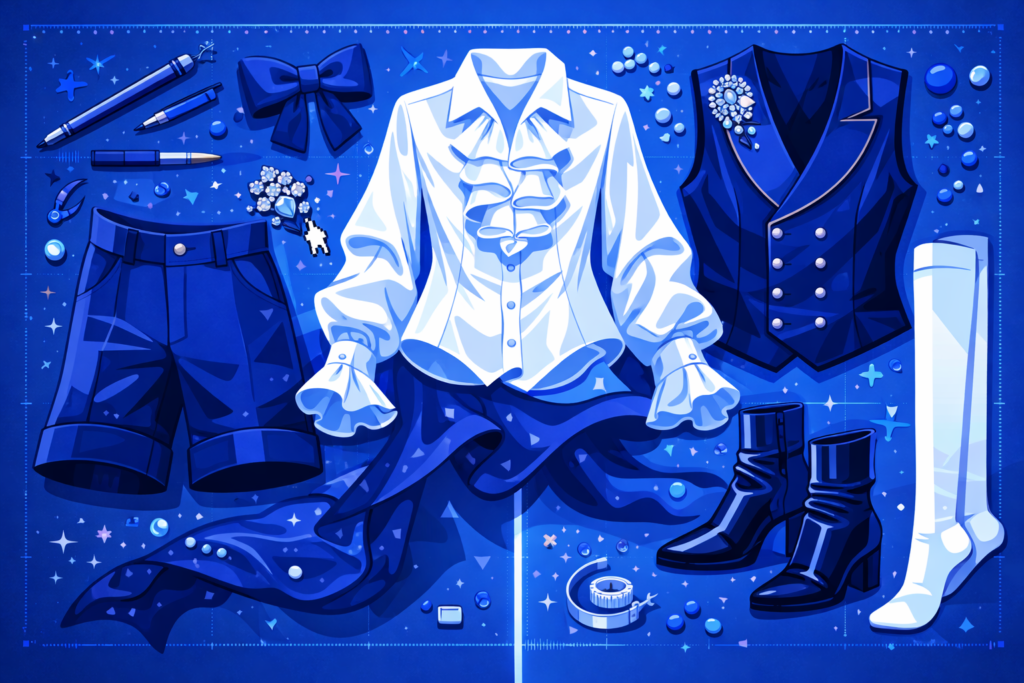
Because of this, the ouji fashion meaning goes beyond clothes. It represents confidence, imagination, and freedom from strict gender rules. Today, modern ouji fashion blends tradition with comfort, making it more wearable than ever for casual outings or creative self-expression.
Origins and History of Ouji Fashion
Ouji fashion history explained is closely tied to Japan’s love for subcultures and reinterpretation of Western styles. While it feels modern, its roots go back decades.

What It Means?
The word “ouji” translates to “prince.” In fashion, it refers to a youthful, noble-inspired look. The deeper meaning of ouji fashion reflects fantasy, elegance, and identity play. It allows wearers to step outside everyday roles and dress like a character from a romantic novel.
Early Roots
Early ouji style developed alongside Lolita fashion in Japan. Designers experimented with boys’ silhouettes using Victorian-inspired fashion elements. Short trousers, waistcoats, and blouses replaced dresses, creating an elegant boy fashion look that felt fresh yet nostalgic.
Rise to Fame
Ouji fashion gained attention in Harajuku fashion circles during the early 2000s. Street photographers, magazines, and themed cafés helped spread the look. As anime-inspired fashion and cosplay inspired fashion grew, ouji outfits naturally found a wider audience.
Global Spread
With social media, ouji fashion crossed borders. International fans discovered Japanese prince fashion through photos, forums, and conventions. Today, ouji fashion trends appear worldwide, often mixed with local alternative fashion trends and personal styling ideas.
Japanese Ouji Brands
Japanese ouji brands play a huge role in shaping how this style looks and feels today. They combine fantasy, tailoring, and street influence in a way that feels polished but still expressive. From high-end labels to more accessible lines, these brands define the identity of ouji fashion and keep it evolving with modern tastes.

What is Ouji?
In the context of Japanese fashion brands, ouji represents a prince-inspired aesthetic built around structure, elegance, and youthfulness. Brands use classic European menswear silhouettes, then soften them with playful details. The result feels aristocratic, imaginative, and wearable rather than stiff or costume-like.
Main Brand Types
Ouji fashion brands usually fall into three categories. Some focus on classic aristocratic designs with historical accuracy. Others lean into gothic or dark fantasy themes. A third group creates casual ouji fashion, simplifying cuts and fabrics so beginners can wear the style more easily.
Popular Brands
Rather than focusing on names alone, popular Japanese ouji brands tend to share key qualities that make them stand out:
- Strong tailoring that shapes the body without feeling restrictive
- Victorian-inspired details like ruffles, waistcoats, and high collars
- Story-driven collections that feel like chapters from a fantasy world
- Coordinated sets that make outfit building easier for beginners
- High-quality fabrics that hold structure and age well
- Balanced designs that avoid looking like cosplay while staying expressive
Many well-known ouji fashion brands also overlap with lolita fashion labels, offering both styles in the same collections. This crossover helps keep ouji visible within Japanese street fashion and makes it easier for fans to explore multiple looks without switching brands.
Style Variations
Japanese ouji brands usually release multiple style variations each season. You’ll often see classic, sweet, gothic, and modern ouji designs side by side. This variety allows wearers to adapt the style to their personality, body type, and lifestyle while staying true to the ouji fashion aesthetic.
Why Ouji Fashion Is Trending Today?
Ouji fashion is no longer a hidden niche. It has stepped into the spotlight as one of the rising Japanese fashion trends, appealing to people who want style with personality, meaning, and creativity. Its mix of elegance and individuality fits perfectly with today’s desire for expressive fashion.

Rise in Popularity
Ouji fashion trends are growing because people are moving away from fast, copy-paste styles. Similar to how lifestyle movements turn into mainstream fashion trends, ouji fashion offers something different: storytelling, identity, and a look that feels personal rather than mass-produced.
Social Media Buzz
Social media plays a huge role in ouji fashion’s rise. Outfit reels, styling videos, and transformation posts make the ouji fashion aesthetic easy to understand. Seeing real people wear ouji clothing daily helps remove the fear that it’s “too costume-like” or impractical.
Why Now?
Right now, fashion is about freedom and self-expression. Modern ouji fashion fits this moment perfectly. It blends nostalgia, fantasy, and comfort, while breaking gender rules. As people look for styles that feel meaningful, ouji fashion naturally stands out and continues to grow.
Key Elements of Ouji Fashion Style
The ouji fashion aesthetic works because every detail has a purpose. Each piece, from clothing to accessories, comes together to create a refined yet playful look. Understanding these key elements makes it easier to build balanced outfits and avoid common styling mistakes.
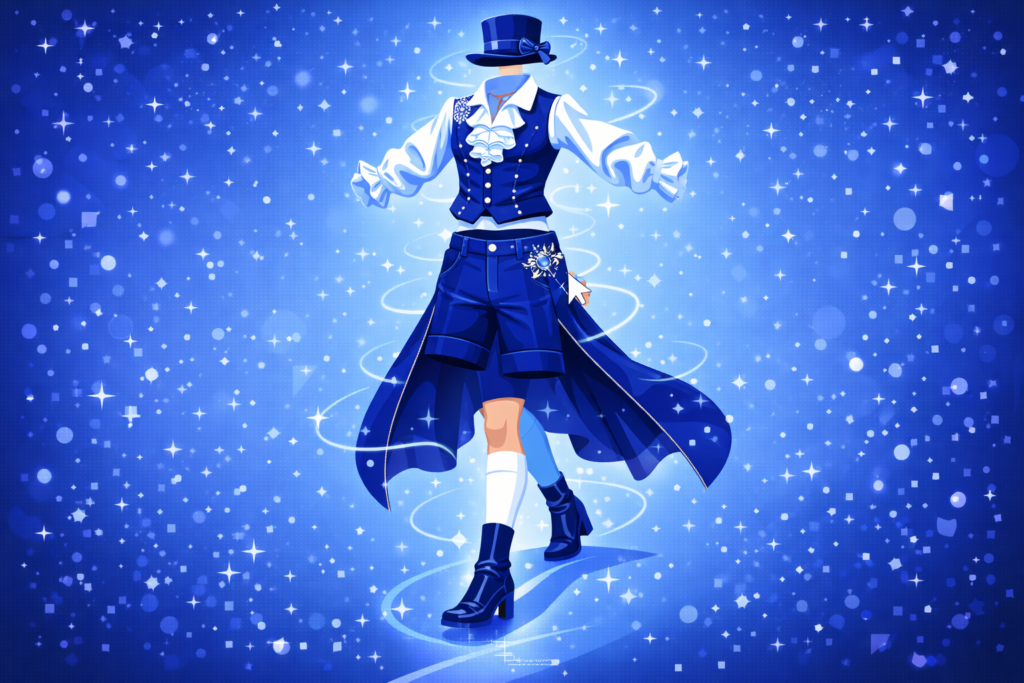
Main Clothing
The core of ouji clothing is tailored structure. Common pieces include knee-length shorts, fitted vests, blouses with ruffles or pintucks, and short jackets. These items create the signature elegant boy fashion silhouette while keeping the outfit comfortable and easy to move in.
Fabrics and Textures
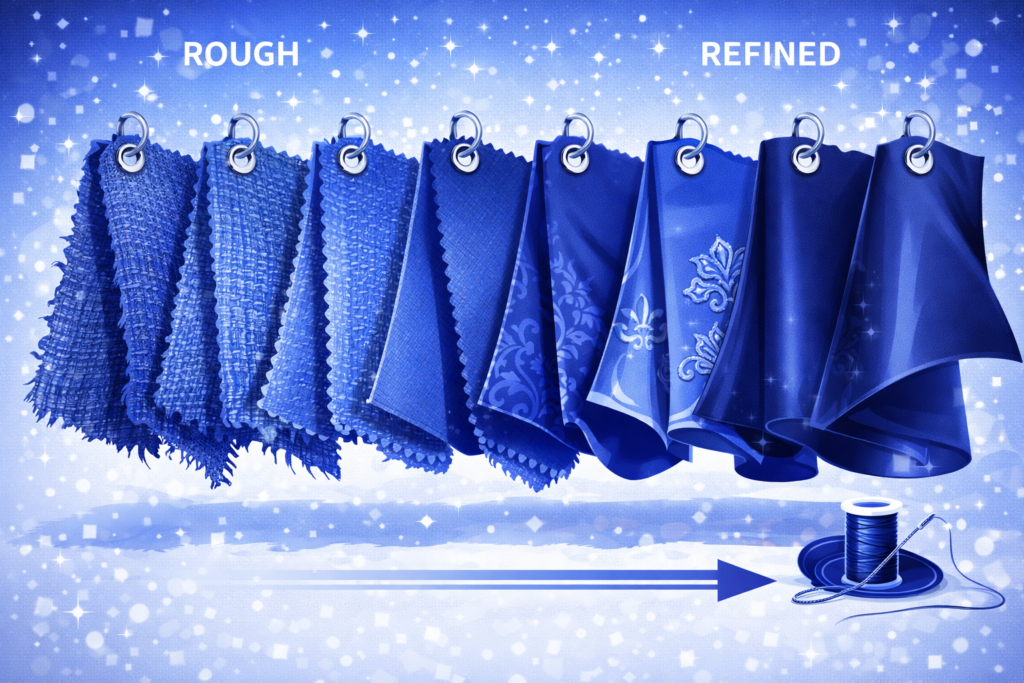
Fabrics play a major role in ouji fashion style guide basics. Cotton, wool blends, and twill are popular for everyday wear, while velvet and jacquard add a more aristocratic fashion style. Mixing smooth and textured fabrics adds depth without making the outfit feel heavy.
Colors
Color palettes in ouji fashion are usually controlled and thoughtful. Classic shades like black, brown, navy, cream, and gray dominate most looks. Sweet and pastel styles use softer tones, while gothic prince fashion relies on deep, dramatic colors for a stronger visual impact.
Accessories
Accessories complete the ouji fashion look. Bow ties, cravats, suspenders, knee-high socks, hats, and brooches add personality and polish. These details help tie the outfit together and turn simple ouji fashion aesthetic outfits into something expressive and story-driven.
Common Different Substyles of Ouji Fashion
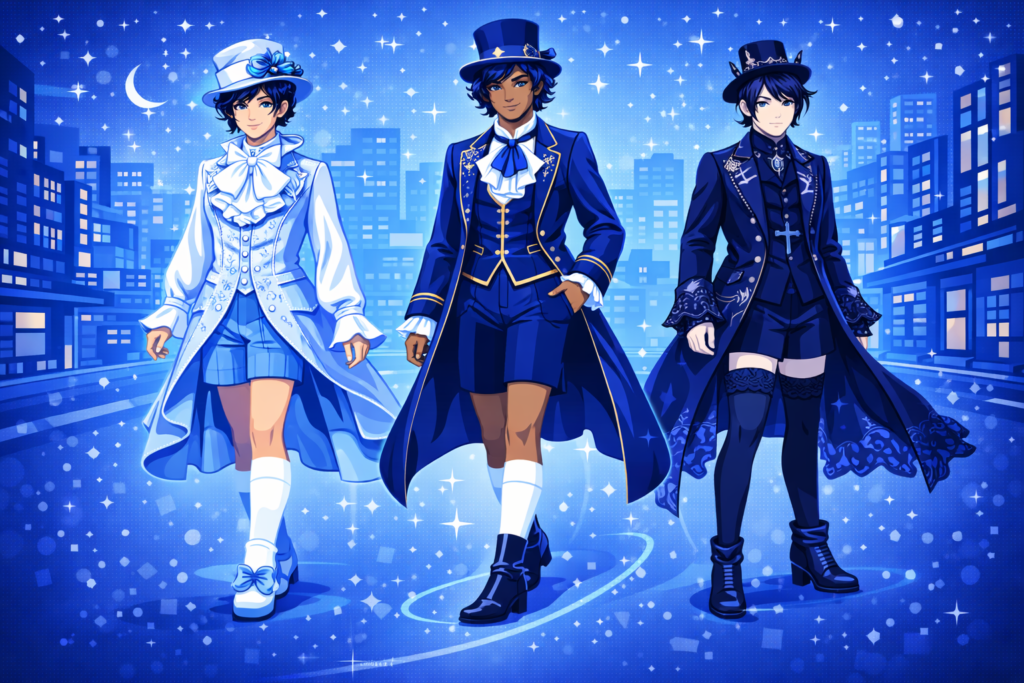
Ouji fashion is not a single, fixed look. Instead, it branches into several substyles that let people express different moods and personalities. These variations keep the ouji fashion aesthetic flexible, making it easier for beginners and long-time fans to find a style that truly fits them.
Sweet Ouji
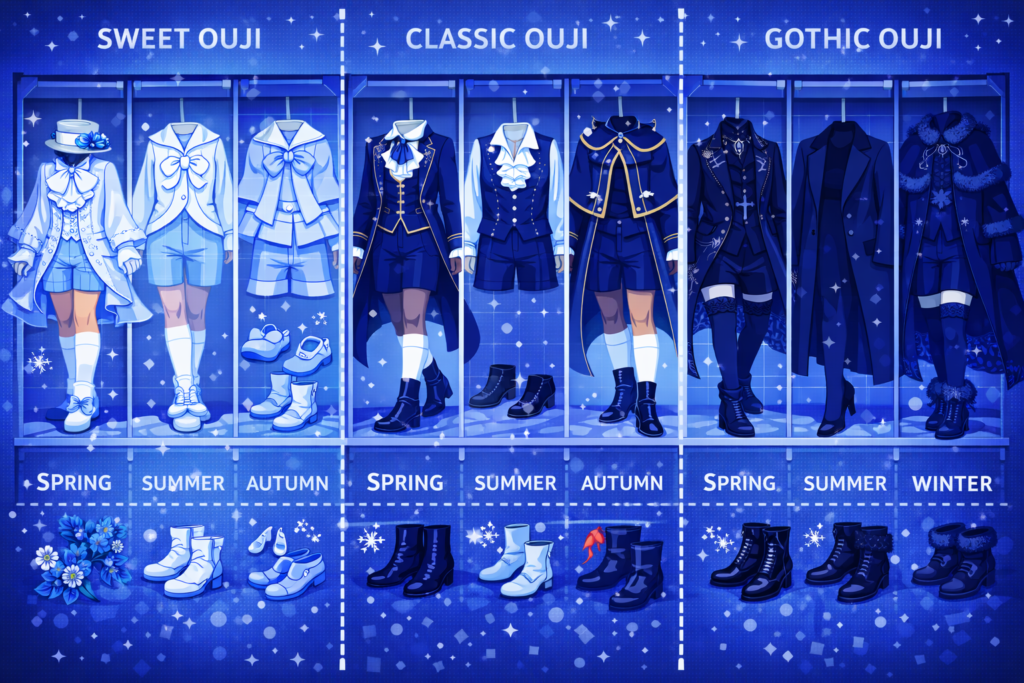
Sweet ouji focuses on softness and charm. It uses lighter colors, gentle patterns, and playful details like bows and lace. This substyle feels youthful and storybook-like, making it popular with those who enjoy a softer, more romantic take on Japanese prince fashion.
Classic Ouji
Classic ouji stays closest to traditional aristocratic fashion style. It features clean tailoring, neutral colors, and minimal decoration. This look feels timeless and elegant, drawing strong inspiration from Victorian-inspired fashion while remaining practical enough for modern everyday wear.
Gothic Ouji
Gothic ouji leans into darker, dramatic themes. Black fabrics, rich textures, and sharp contrasts define this substyle. Often linked to gothic prince fashion, it creates a mysterious and refined presence while still maintaining the structured, boyish silhouette central to ouji fashion.
Ouji Fashion vs Other Japanese Fashion Styles
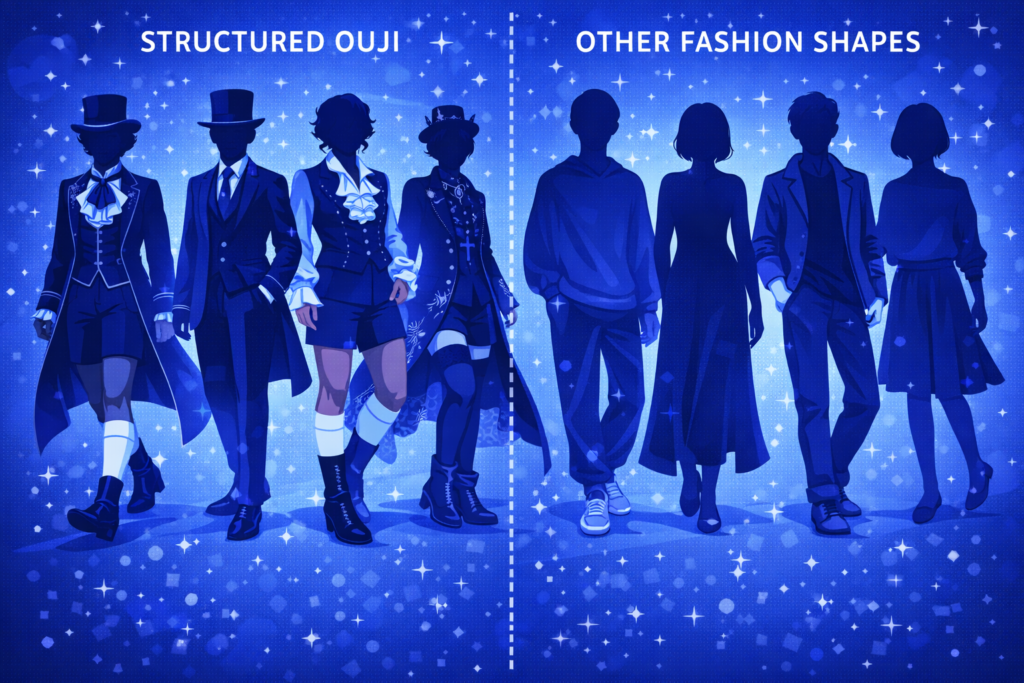
Japanese street fashion is known for its diversity, and ouji fashion often gets compared to other popular styles. While these aesthetics sometimes overlap, each one has its own purpose, silhouette, and cultural influence. Understanding the differences helps clarify what makes ouji fashion unique.
Ouji vs Lolita
The main difference between ouji and lolita lies in structure and silhouette. Lolita fashion centers on dresses, skirts, and a doll-like shape. Ouji fashion uses tailored shorts, vests, and jackets, creating a prince-like look rather than a traditionally feminine one.
Ouji vs Visual Kei
Visual Kei is bold, theatrical, and performance-driven, often tied to music and stage presence. Ouji fashion, by contrast, is softer and more lifestyle-oriented. While both may use gothic elements, ouji focuses on elegance and wearability rather than shock or drama.
Ouji vs Gyaru
Gyaru fashion celebrates glamour, bold makeup, and a rebellious attitude against traditional beauty norms. Ouji fashion takes a different path, favoring refined styling, layered clothing, and subtle expression. The energy of gyaru is loud and flashy, while ouji is calm and story-driven.
Ouji vs Harajuku Streetwear
Harajuku streetwear is a mix of many trends, often changing rapidly. Ouji fashion is more structured and theme-based. Instead of following fast trends, ouji builds a consistent aristocratic fashion style that feels timeless within the wider Harajuku fashion scene.
Types of Ouji Fashion Styles
Ouji fashion offers a wide range of styles, which is one reason it continues to grow in popularity. These variations allow people to adapt the ouji fashion aesthetic to different moods, seasons, and lifestyles. Whether you prefer something dramatic or relaxed, there is an ouji fashion style that fits naturally.
Sweet Ouji
Sweet ouji is soft, playful, and charming. It uses light colors, delicate patterns, and decorative details like bows and lace. This style feels youthful and whimsical, making it perfect for those who enjoy a fairy-tale vibe within Japanese prince fashion.
Gothic Ouji
Gothic ouji embraces dark elegance. Black and deep jewel tones dominate, often paired with structured layers and dramatic accessories. Inspired by gothic prince fashion, this style feels mysterious and refined while keeping the classic ouji silhouette strong and balanced.
Classic Ouji
Classic ouji stays rooted in tradition. Neutral colors, clean tailoring, and minimal decoration define this look. It draws heavily from Victorian-inspired fashion and aristocratic fashion style, offering a timeless appearance that works well for both formal settings and everyday wear.
Casual Ouji
Casual ouji fashion simplifies the aesthetic for daily life. It uses lighter fabrics, fewer layers, and relaxed fits while keeping key elements like vests or shorts. This style is ideal for ouji fashion for beginners who want comfort without losing elegance.
Pastel Ouji
Pastel ouji blends softness with structure. Gentle shades like mint, lavender, and baby blue replace darker tones. This style feels modern and approachable, offering a fresh twist on traditional ouji fashion while maintaining its refined, prince-inspired identity.
How to Start Wearing Ouji Fashion
Starting ouji fashion can feel intimidating at first, especially if you are new to alternative Japanese fashion. The good news is that ouji fashion for beginners does not require perfection. It is about learning the basics, experimenting slowly, and building confidence step by step. With the right approach, ouji fashion can easily fit into everyday life.

Pick Your Style
Begin by choosing the ouji style that feels most natural to you. Some people prefer sweet and playful looks, while others enjoy gothic or classic designs. Picking one direction first helps you avoid confusion and makes your ouji fashion style guide much easier to follow.
Get Key Pieces
Start with a few core items instead of a full outfit. A well-fitted vest, tailored shorts, and a simple blouse are essential ouji clothing pieces. These basics can be mixed and matched, helping you create multiple outfits without buying too much at once.
Add Fun Extras
Accessories bring ouji fashion to life. Items like bow ties, suspenders, knee-high socks, or a small hat add personality. These details help turn simple outfits into expressive ouji fashion looks while letting you experiment without changing your entire wardrobe.
Layer and Match
Layering is key to mastering ouji fashion. Combine textures, colors, and lengths carefully. For example, pair a vest over a blouse or add a short jacket for depth. Balanced layering keeps the outfit elegant instead of bulky or costume-like.
Shop Smart
You do not need a big budget to start. Look for secondhand items, seasonal sales, and trusted online stores to find affordable ouji fashion. Shopping smart allows you to explore the style slowly while avoiding unnecessary spending and beginner mistakes.
Ouji Fashion in Pop Culture and Social Media
Ouji fashion did not become popular by accident. Its strong connection to fantasy, art, and online creativity helped it move from niche communities into wider pop culture spaces. Today, ouji fashion inspiration is everywhere, from anime visuals to short-form videos, making the style easier to recognize and understand.
What It Looks Like?
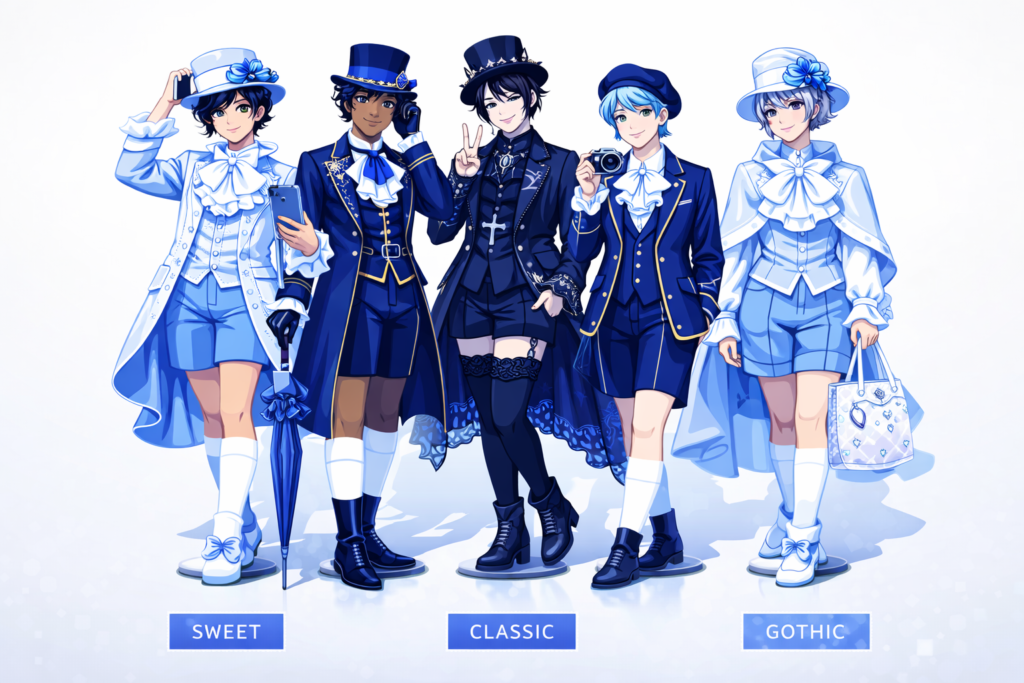
In pop culture, ouji fashion often looks like a modern fairy-tale outfit. Structured shorts, elegant vests, and dramatic accessories create a prince-like silhouette. The overall look feels refined but imaginative, as if the wearer stepped out of a fantasy story and into everyday life.
Pop Culture Roots
Ouji fashion draws heavily from anime, games, gothic fantasy, and alternative art scenes. These influences overlap with darker and magical themes often discussed in broader pop culture, helping ouji blend naturally with visual storytelling, cosplay inspired fashion, and creative subcultures.
Social Media Buzz
Social media has accelerated ouji fashion’s growth. Platforms like Instagram and TikTok showcase daily outfits, styling tips, and transformations. Seeing real people wear ouji fashion everyday wear removes barriers, making the style feel accessible, wearable, and less intimidating for newcomers.

Where to Buy Ouji Fashion Clothing
Finding the right place to buy ouji fashion clothing is just as important as learning how to style it. Because ouji is a niche within Japanese street fashion, it is not usually available in regular clothing stores. However, there are several reliable options that make building an ouji wardrobe much easier.
Lolita Shops
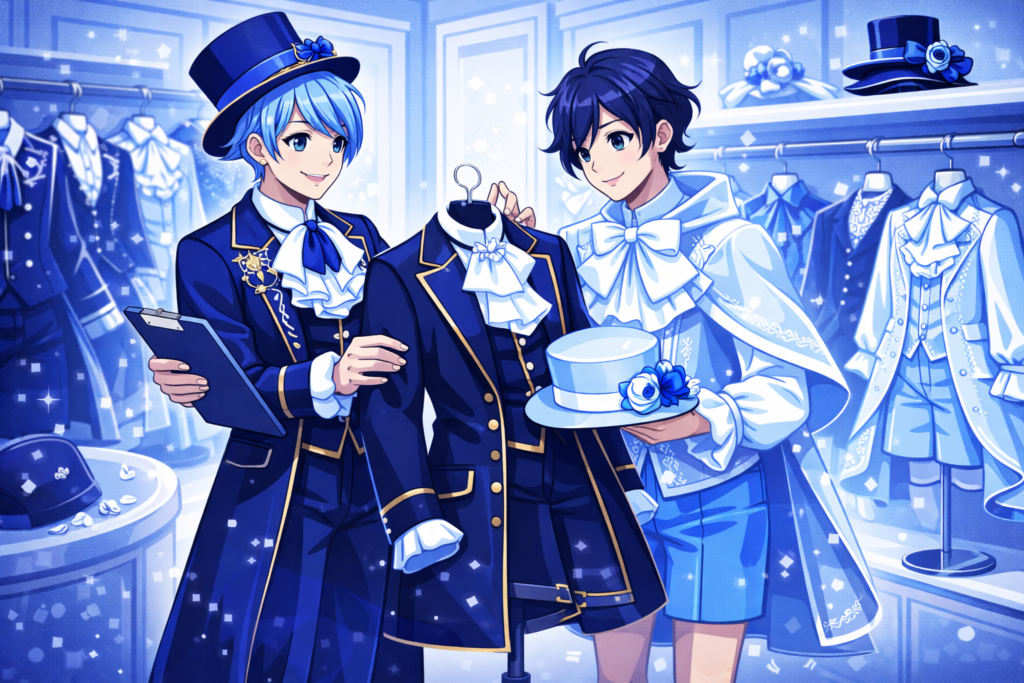
Many lolita-focused shops also sell ouji clothing, since both styles share historical roots. These shops often offer high-quality pieces with proper tailoring, making them ideal for classic and gothic ouji styles. They are a great starting point for authentic designs.
Secondhand Markets
Secondhand markets are perfect for affordable ouji fashion. Many ouji pieces are well-made and last for years, so buying pre-owned items is common. You can find rare designs, discontinued collections, and better prices while still getting quality clothing.
Taobao Resellers
Taobao resellers act as bridges between Chinese marketplaces and international buyers. They offer a wide variety of modern ouji fashion, including casual ouji fashion and beginner-friendly sets. Using trusted resellers helps avoid sizing issues and communication problems.
Other Online Stores
Some fashion marketplaces and online stores curate ouji fashion clothing brands alongside other alternative styles. These platforms often include reviews, sizing guides, and buyer protection, which is helpful for beginners learning how to shop smart and safely for ouji fashion online.
Common Mistakes to Avoid in Ouji Fashion
Ouji fashion looks effortless when done right, but small missteps can quickly make an outfit feel awkward or unfinished. Because this style relies on balance, structure, and detail, avoiding common mistakes helps your ouji fashion look polished rather than costume-like. Learning these early saves time, money, and frustration.
Pick Cheap Fabrics
Cheap fabrics are one of the fastest ways to ruin an ouji outfit. Thin or shiny materials often lose structure and look flat. Ouji fashion depends on shape and texture, so choosing better-quality cotton, twill, or wool blends keeps the outfit elegant and long-lasting.
Ignore Fit and Sizing
Fit matters more in ouji fashion than in many casual styles. Oversized or poorly fitted pieces can destroy the prince-like silhouette. Tailored shorts, vests, and jackets should sit neatly on the body. Even small alterations can dramatically improve your overall ouji fashion aesthetic.
Skip Neck Details
The neckline is a focal point in ouji fashion. Skipping details like bow ties, cravats, or collars makes the outfit feel empty. These elements frame the face and add character. Without them, even well-made ouji clothing can look incomplete or too plain.
Overdo Lace or Plainness
Balance is essential. Too much lace, ruffles, or decoration can push the outfit toward cosplay. On the other hand, being too plain removes the fantasy element. Ouji fashion works best when decorative details are used thoughtfully and paired with clean, structured pieces.
Mismatch Colors
Random color combinations can clash with the refined ouji fashion style. Stick to a controlled palette of two or three main colors. Whether you choose dark gothic tones or soft pastels, consistency keeps the outfit harmonious and visually pleasing.
Forget Grooming Balance
Hair and grooming are part of the outfit. Messy hair or overly casual styling can clash with aristocratic fashion style clothing. You don’t need perfection, but neat hair and simple grooming help balance the elegance of ouji fashion and complete the overall look.
Benefits of Wearing Ouji Fashion
Ouji fashion offers more than just an eye-catching look. It brings emotional, creative, and practical benefits that make it appealing to people who want clothing with meaning. Beyond trends, ouji fashion creates a personal experience that blends comfort, identity, and imagination.
Unique Style
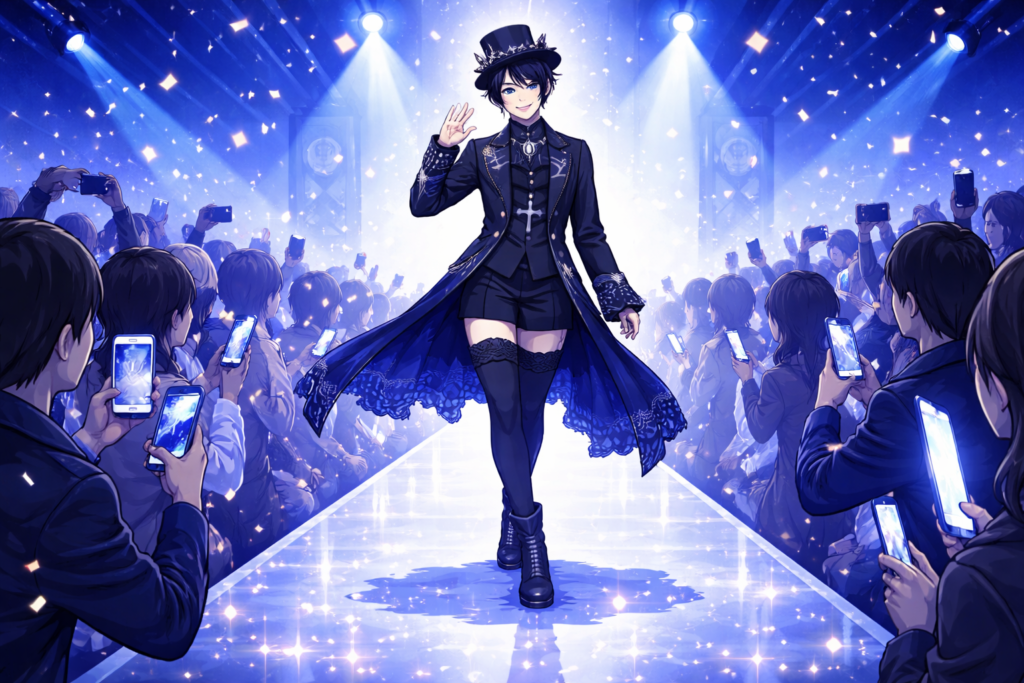
One of the biggest benefits of ouji fashion is its uniqueness. The prince-inspired silhouette stands out naturally in everyday settings. Because few people dress this way, ouji fashion helps you express individuality without relying on loud colors or extreme designs.
Self-Expression
Ouji fashion is a powerful form of self-expression. Each outfit tells a story through layers, textures, and accessories. Whether you lean sweet, gothic, or classic, ouji fashion allows you to show personality and mood without saying a word.
Comfort Fit
Despite its elegant appearance, modern ouji fashion is surprisingly comfortable. Many designs use breathable fabrics and flexible cuts. Shorts, blouses, and vests allow easy movement, making ouji fashion suitable for long wear rather than just special occasions.
Gender Freedom
Ouji fashion breaks traditional gender rules. It welcomes all genders and body types, encouraging freedom rather than labels. This openness makes ouji fashion feel inclusive and empowering, allowing wearers to explore style without pressure or expectations tied to masculinity or femininity.
Is Ouji Fashion for Everyone?
Ouji fashion often looks very specific at first glance, which can make people wonder if it is only for a certain type of person. In reality, ouji fashion is far more flexible and welcoming than it appears. Its focus on storytelling, elegance, and self-expression allows many people to adapt the style in ways that feel natural and comfortable. With the right approach, ouji fashion can work for a wide range of identities and lifestyles.

Open to All Genders
Ouji fashion is completely open to all genders. It is not limited to men, despite its prince-inspired roots. Many people of different genders enjoy ouji fashion because it blends masculine structure with softness, allowing freedom beyond traditional fashion rules or expectations.
Body Type Challenges
Like many structured styles, ouji fashion can feel challenging for certain body types at first. Tailored pieces may require careful sizing or small alterations. However, choosing the right cuts, fabrics, and proportions can make ouji fashion flattering and comfortable for many different shapes.
Style Variations Help
The wide range of ouji fashion styles makes it more accessible. Casual, classic, sweet, and gothic variations offer flexibility in fit and layering. These options allow people to adjust silhouettes, colors, and details, making ouji fashion easier to personalize and enjoy confidently.
Frequently Asked Questions
Ouji fashion often sparks curiosity because it blends fantasy, history, and modern style in a unique way. Beginners usually have many questions about its meaning, wearability, cost, and cultural background. This FAQ section clears up common doubts and helps you better understand how ouji fashion fits into everyday life and personal style.
In fashion, “ouji” means “prince” in Japanese. It refers to a prince-inspired aesthetic built around elegance, youth, and imagination. The deeper meaning of ouji fashion focuses on storytelling through clothing rather than following strict gender or fashion rules.
No, ouji fashion is not only for men. It is worn by people of all genders. While the style uses traditionally masculine silhouettes, it is designed to be inclusive. Many wearers enjoy ouji fashion because it allows freedom of expression without gender limitations.
Yes, beginners can absolutely wear ouji fashion casually. Casual ouji fashion uses simpler pieces, lighter fabrics, and fewer accessories. Starting with a vest, shorts, and a clean blouse makes the style easier to wear daily without feeling overwhelming or costume-like.
Ouji fashion can be expensive, but it doesn’t have to be. Prices depend on brand, fabric quality, and design complexity. Shopping secondhand, buying fewer high-quality pieces, and choosing casual ouji styles can make ouji fashion much more affordable over time.
Shoes with a classic or vintage feel work best for ouji outfits. Loafers, lace-up shoes, ankle boots, and simple dress shoes are popular choices. These styles support the aristocratic fashion style without drawing attention away from the overall outfit.
Yes, modern ouji fashion can be worn daily, especially casual variations. By choosing breathable fabrics, neutral colors, and minimal accessories, ouji fashion everyday wear becomes comfortable and practical while still keeping its elegant, prince-inspired charm.
Princecore is a broad aesthetic inspired by royalty and fantasy across global fashion. Ouji fashion is more specific. It comes from Japanese street fashion and focuses on tailored silhouettes, historical influence, and structured outfits rather than loose fantasy-inspired clothing alone.
The meaning of ouji goes beyond the literal word “prince.” In fashion, it represents elegance, imagination, and identity play. Ouji fashion allows people to step into a refined, story-driven role that feels expressive rather than bound by everyday norms.
In Japanese, lovers are often referred to using affectionate terms based on closeness rather than fixed labels. Common words include personal names, nicknames, or terms like “koibito,” meaning lover. These expressions reflect emotional connection more than fashion or appearance.