Introduction
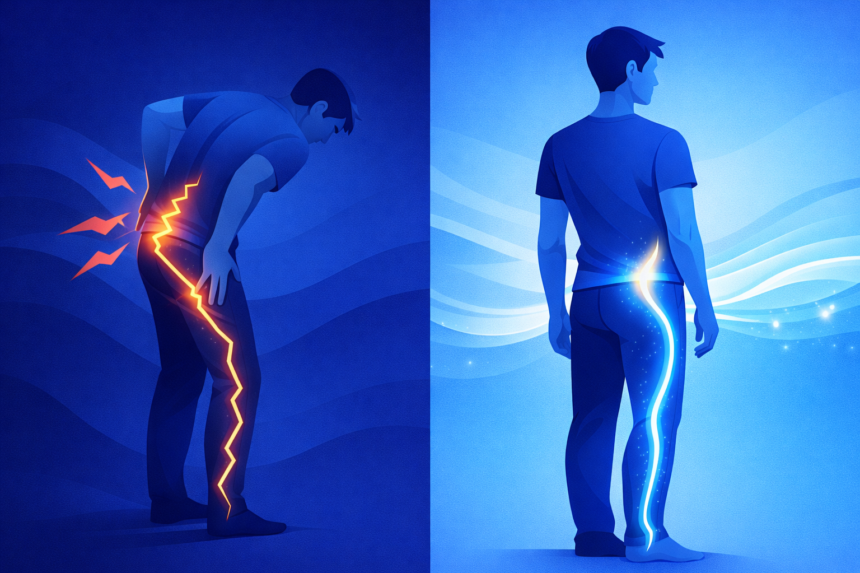
Sciatic nerve pain can feel like an uninvited guest that refuses to leave. One minute you’re fine, and the next you’re dealing with sharp, shooting discomfort that runs from your lower back down your leg. The good news is that sciatica pain relief doesn’t always require pills, injections, or complicated treatments. In this guide, you’ll learn how to relieve sciatica naturally, using a simple 10-minute method designed for real life, real bodies, and real relief.

What Is Sciatic Nerve Pain?
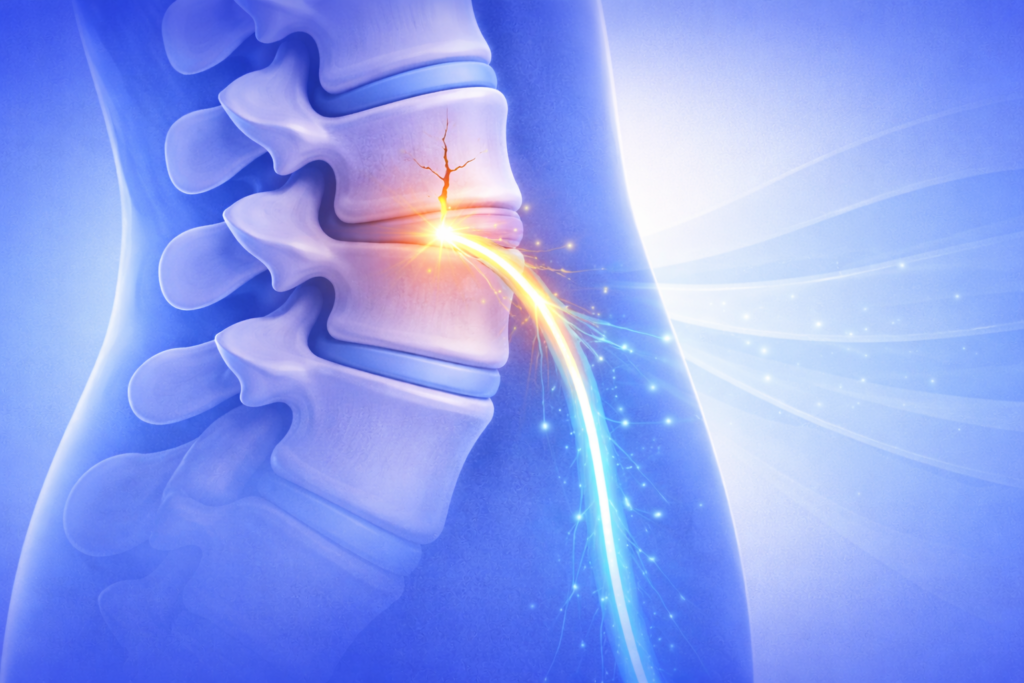
Sciatic nerve pain, often called sciatica nerve pain, happens when the sciatic nerve becomes irritated or compressed. This nerve is the longest in the body, starting in the lower back and traveling through the hips, buttocks, and down each leg. When pressure builds up along this path, pain follows.
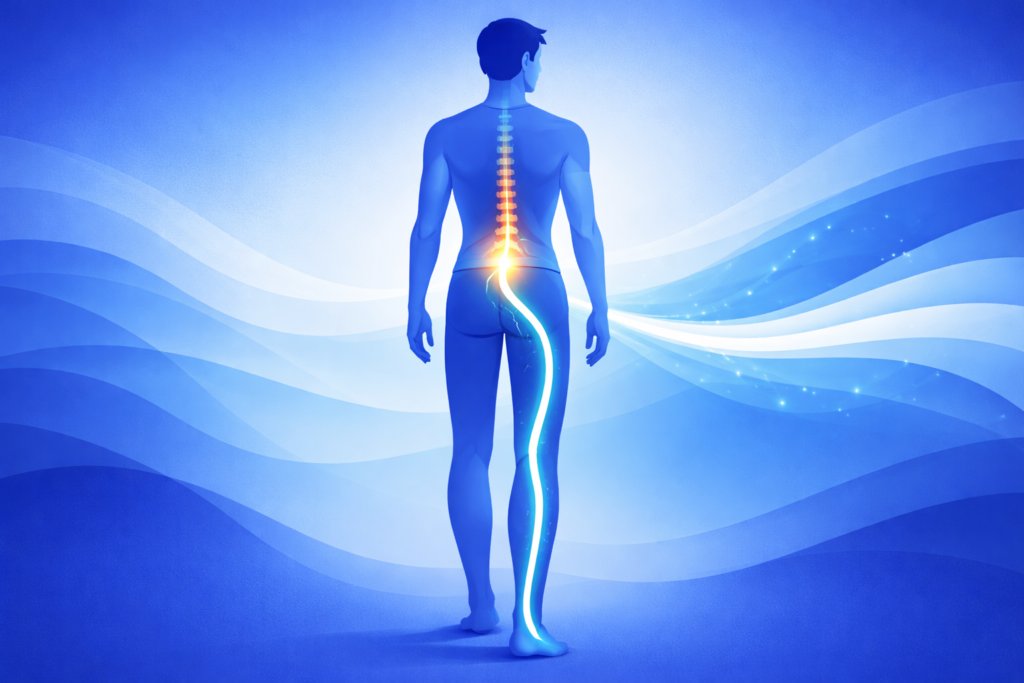
Unlike general back soreness, nerve pain in the lower back tends to feel sharp, electric, or burning. It may travel, which explains why many people also feel leg nerve pain or shooting leg pain. While sciatica sounds intimidating, it’s actually a symptom rather than a disease. That means once you address the cause—often tight muscles, poor posture, or inflammation—you can start feeling better fast with the right natural sciatica relief approach.
Common Symptoms of Sciatic Nerve Pain
Sciatica doesn’t look the same for everyone. Some people feel mild discomfort, while others struggle to sit, walk, or sleep. Understanding the symptoms helps you respond early and choose the right sciatica treatment.
Main Pain
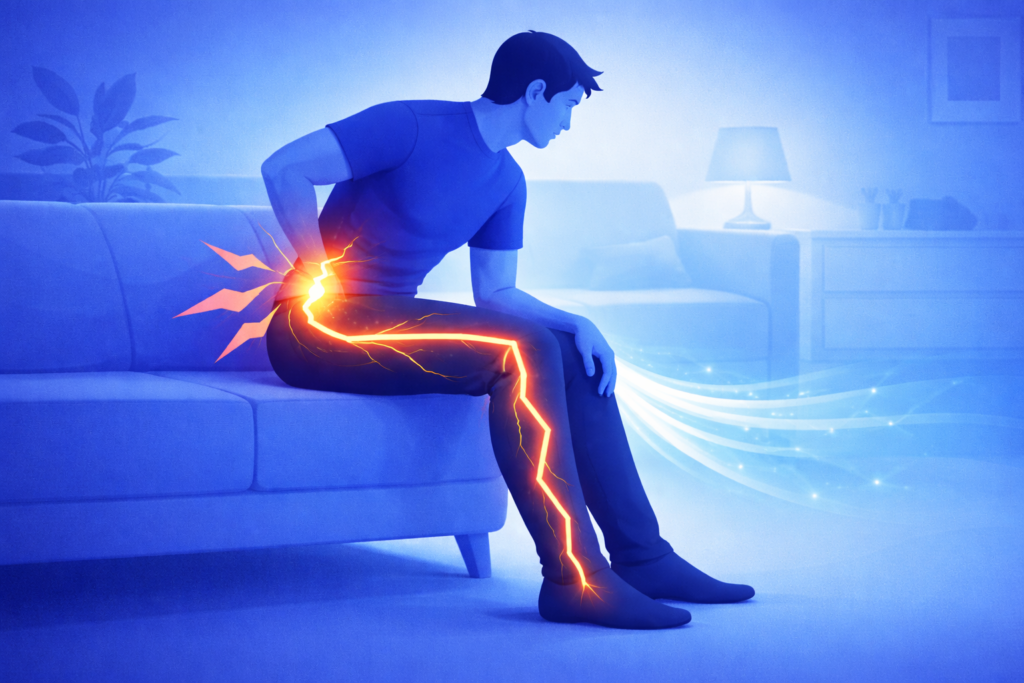
The most common sign is pain that starts in the lower back or hip and travels down one leg. This lower back nerve pain may feel sharp, stabbing, or like a sudden jolt of electricity. Often, it worsens when you sit too long or stand up quickly. Because the sciatic nerve runs deep, the pain can feel intense even when there’s no visible injury.
Tingling Sensations
Many people report tingling, pins-and-needles, or numbness in the leg or foot. This sensation happens when nerve signals get disrupted. It’s similar to when your foot “falls asleep,” but it lasts longer and feels deeper. This type of hip and leg pain often signals nerve compression that responds well to gentle movement and sciatica stretches.

Weakness Issues
Sciatica can also cause muscle weakness in the affected leg. You might notice trouble lifting your foot, climbing stairs, or standing from a chair. This happens because irritated nerves can’t properly communicate with muscles. While this can sound scary, many cases improve with consistent exercises for sciatica pain and drug-free pain relief methods.

What Causes Sciatic Nerve Pain?
Sciatic nerve pain doesn’t appear out of nowhere. In most cases, it builds slowly due to pressure, strain, or imbalance in the lower back, hips, or spine. Understanding what causes this pain makes it much easier to choose the right sciatica treatment and avoid triggers that keep the nerve irritated. While the pain often shows up suddenly, the real causes usually develop over time through movement patterns, posture, and everyday stress on the body.
Main Trigger
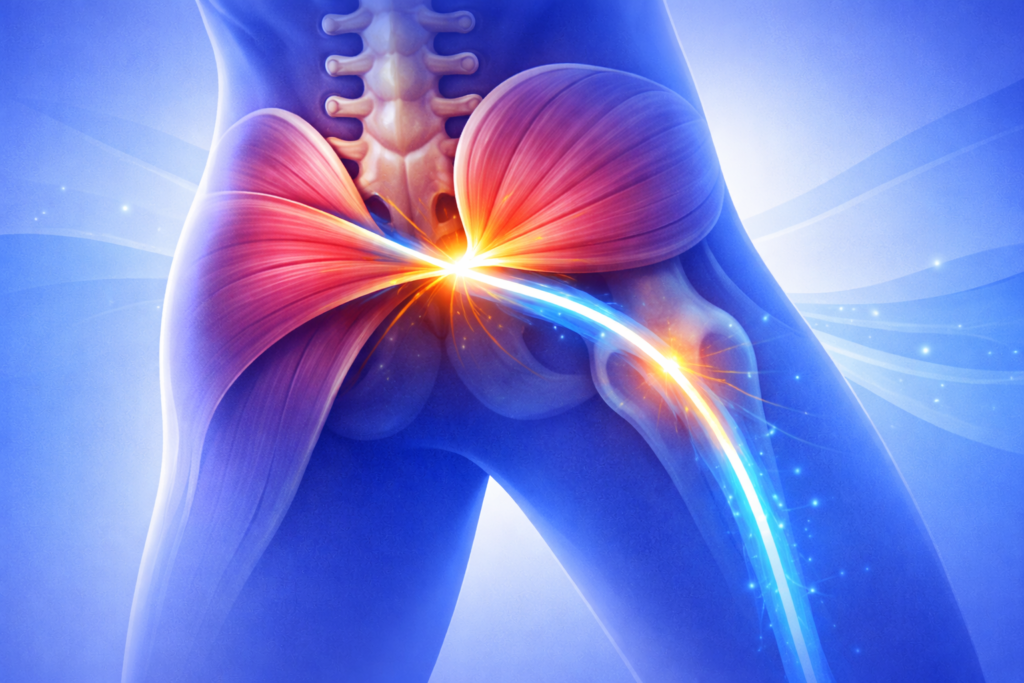
The most common trigger of sciatica nerve pain is pressure on the nerve itself. This pressure often comes from tight muscles in the hips or lower back, especially the piriformis muscle. When these muscles tighten, they squeeze the nerve like a kink in a garden hose. As a result, nerve signals don’t flow smoothly, leading to shooting leg pain, tingling, or burning sensations that travel down the leg.
Spine Problems
Issues in the spine are another major cause of lower back nerve pain. Herniated discs, bone spurs, or narrowing of the spinal canal can press directly on the sciatic nerve. These problems often worsen with sitting, bending, or lifting heavy objects. Even mild spinal changes can trigger leg nerve pain if they reduce space around the nerve. While some spine issues need medical care, many respond well to gentle movement and natural sciatica relief methods.

Injuries and Habits
Old injuries, repetitive strain, and poor posture play a huge role in sciatica. Long hours of sitting, slouching over screens, or moving incorrectly during daily tasks slowly overload the lower back. These modern daily habits can quietly tighten muscles and weaken support structures. Over time, this imbalance leads to hip and leg pain and increases the risk of a pinched nerve sciatica, even without a recent injury.
Why Quick Relief Matters for Daily Life?
Quick relief from sciatic nerve pain is not just about feeling better in the moment. It plays a major role in protecting your body, your routine, and your peace of mind. When sciatica nerve pain lingers, it slowly affects how you move, how you think, and how confident you feel in everyday situations. Acting early with quick sciatica pain relief helps stop small issues from turning into long-term problems. It also allows you to stay active, focused, and safe while continuing with work, hobbies, and family life.
Stops Problems Early
Getting fast sciatica pain relief helps prevent the pain from becoming chronic. When discomfort is ignored, the body adapts by moving incorrectly, which adds more stress to the lower back and hips. Early relief encourages gentle daily movement, which keeps muscles loose and nerves flexible. Simple actions like walking, bending, and stretching—similar to the natural activity we get from caring for pets or staying casually active—can stop mild sciatic irritation from becoming a serious, long-term issue.
Speeds Up Recovery
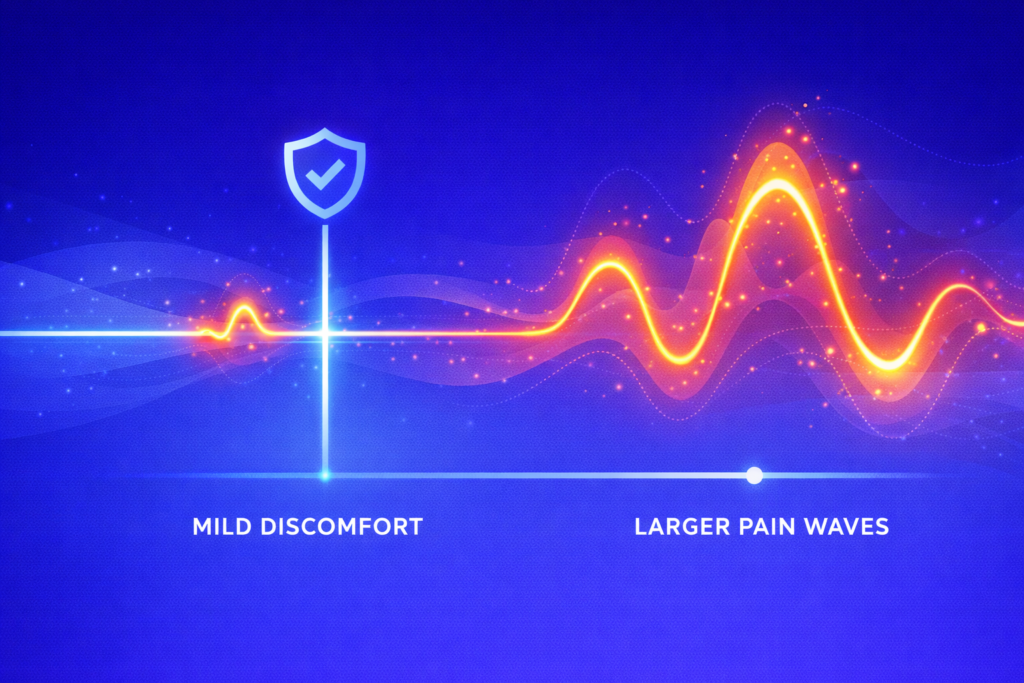
Quick relief allows your body to heal more efficiently. When pain is reduced, muscles relax, and blood flow improves around the irritated nerve. This increased circulation brings oxygen and nutrients that support tissue repair. As a result, how to relieve sciatica becomes easier because movement no longer feels threatening. Instead of guarding the pain, your body can return to natural motion, which speeds up recovery without relying on aggressive sciatica treatment options.

Saves Time and Worry
Lingering nerve pain consumes time and mental energy. It distracts you during work, interrupts sleep, and creates constant worry about flare-ups. Quick instant sciatica relief helps you stay productive and relaxed. When you know you can reduce pain in minutes, stress levels drop. This confidence makes daily tasks feel manageable again and reduces the emotional toll that comes with ongoing nerve pain in the lower back.

Boosts Daily Safety
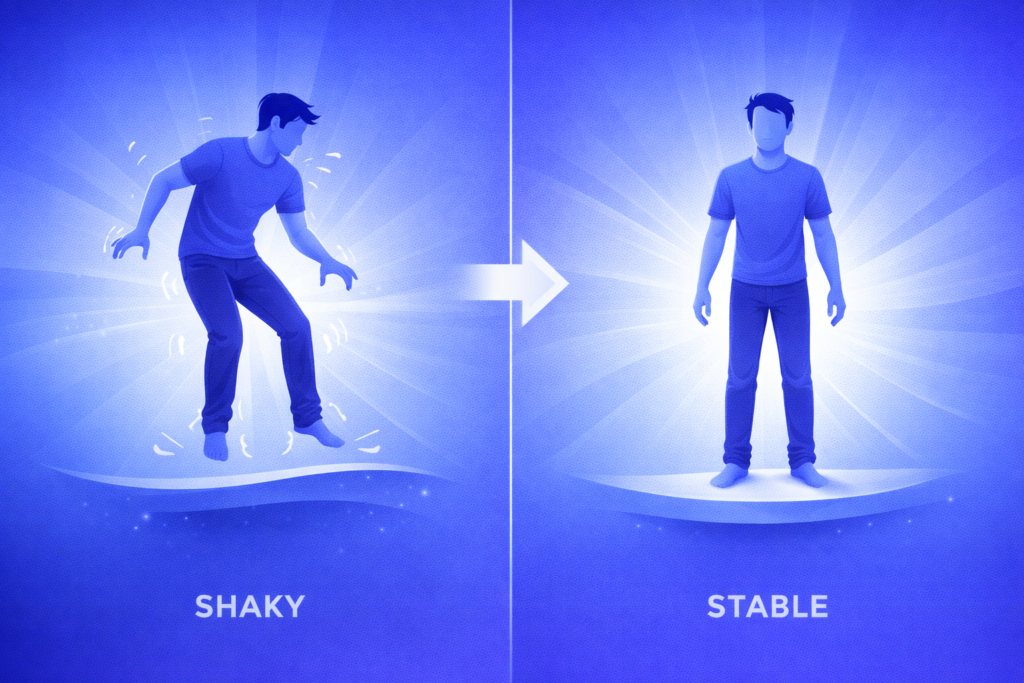
Sciatic pain can affect balance, coordination, and leg strength. Sudden jolts of shooting leg pain increase the risk of missteps, slips, or falls. Fast relief improves stability by restoring normal movement patterns. When pain is under control, you move more smoothly and react faster. This makes everyday activities—walking, driving, or climbing stairs—safer and more comfortable, especially during busy or physically demanding days.
Can You Really Reduce Sciatic Pain in 10 Minutes?
When sciatic pain hits, it often feels overwhelming, which makes the idea of fast relief sound too good to be true. However, for many people, sciatica relief in 10 minutes is possible—especially when the pain is caused by muscle tension, poor posture, or mild nerve irritation. The key is understanding what’s actually creating the discomfort and using simple, targeted actions that calm the nerve instead of aggravating it. While this approach isn’t a miracle cure, it can deliver quick sciatica pain relief when used correctly.
What Causes Sciatica?
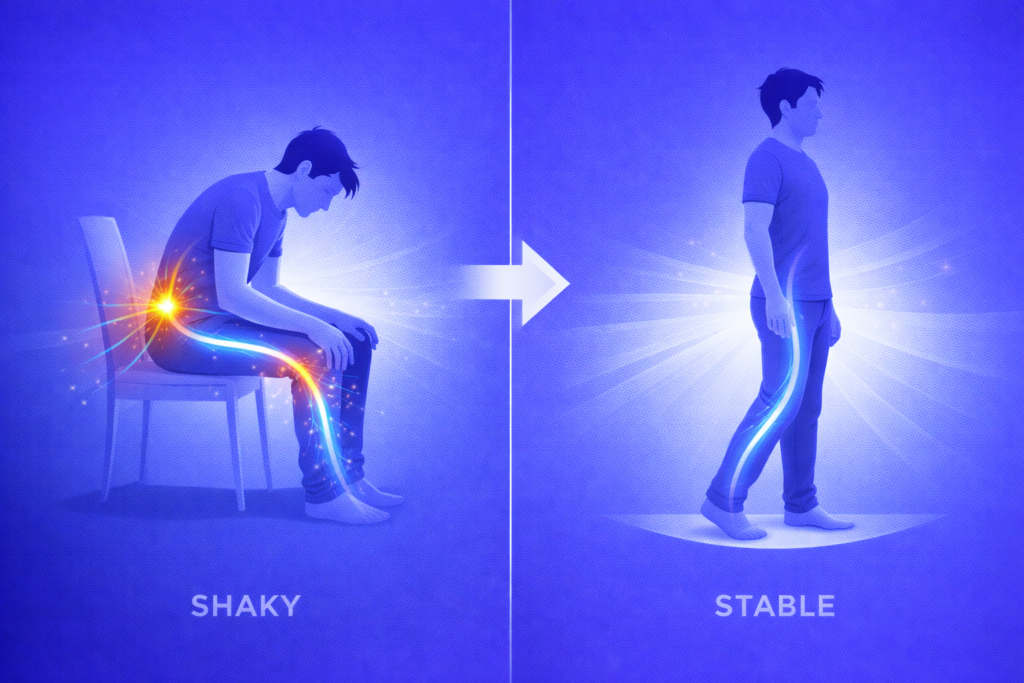
Most cases of sciatica nerve pain come from pressure or irritation around the nerve, not permanent damage. Tight hip muscles, inflamed tissues, or prolonged sitting can compress the nerve and disrupt normal signals. This pressure leads to nerve pain in the lower back and leg nerve pain that travels downward. Because these causes are often muscular and positional, they respond well to gentle movement and natural sciatica relief techniques.
Quick Relief Tricks
Certain actions can calm the sciatic nerve quickly. Gentle sciatica stretches, slow breathing, and changing body position help release tension around the nerve. Heat relaxes tight muscles, while light movement boosts blood flow. These methods work together to create instant sciatica relief by reducing pressure instead of masking pain. When done correctly, they help relieve sciatica fast without relying on medication.
Why 10 Minutes Helps Some?
Ten minutes is often enough time to relax tight muscles and reset nerve signals. The nervous system responds quickly when stress and compression are reduced. During this short window, circulation improves and inflammation begins to calm. For many people, this is all it takes to feel noticeable relief from shooting leg pain or stiffness. That’s why focused, short routines can lead to immediate sciatica relief.
Limits and Next Steps
While fast relief is possible, it’s not a full solution for everyone. Severe pinched nerve sciatica, worsening numbness, or muscle weakness may need professional care. Think of this method as a starting point, not an endpoint. If pain returns often, combining these techniques with long-term exercises for sciatica pain and lifestyle changes offers a safer, more lasting path to relief.
The Natural 10-Minute Method Explained
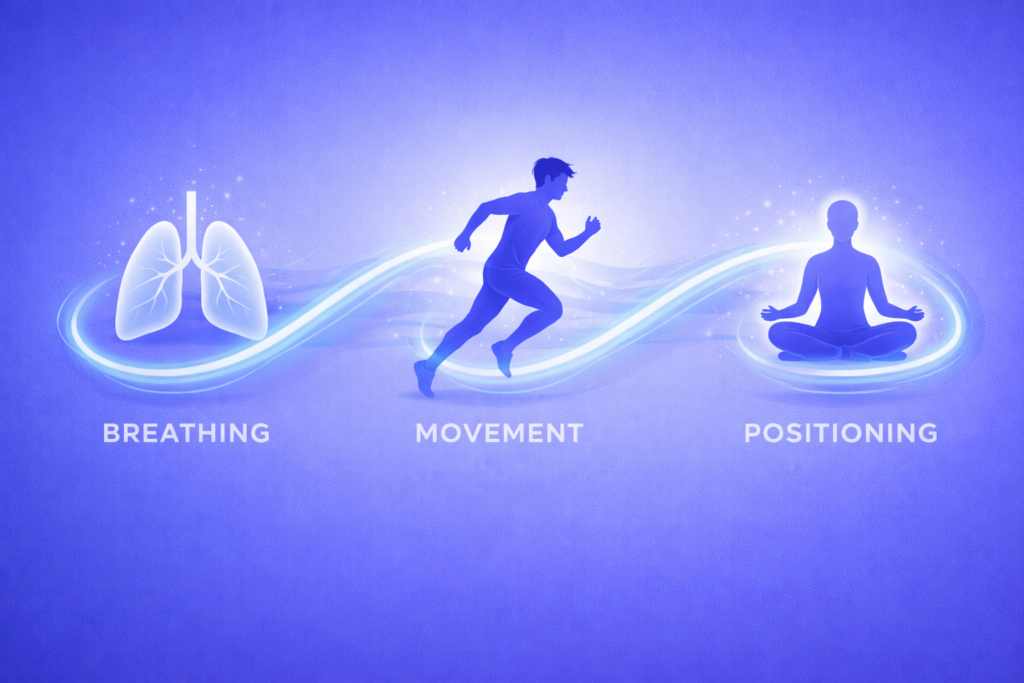
The natural 10-minute method is designed to calm the sciatic nerve without medication or complicated routines. It focuses on gentle movement, controlled breathing, and simple positioning that reduces pressure on irritated nerves. Instead of forcing the body to stretch aggressively, this method works with the nervous system, allowing it to relax. Because it’s short and easy to follow, it fits smoothly into daily life and supports natural sciatica relief in a safe, practical way.
What It Does?
This method helps reduce pressure around the sciatic nerve by relaxing tight muscles in the lower back, hips, and legs. As these muscles loosen, space around the nerve increases, easing sciatica nerve pain. At the same time, gentle movement improves blood flow, which supports healing and reduces inflammation. The result is quick sciatica pain relief that feels natural rather than forced, making it ideal for regular use.
How to Do It?
The routine combines four simple stretches and slow breathing, all completed within ten minutes. Each movement is held briefly and performed with control, not speed. You move only to the point of light tension, never sharp pain. This approach allows the body to settle instead of tensing up. When done correctly, it provides sciatica relief at home without special equipment or advanced fitness levels.
Best Practices
For best results, perform the method in a quiet space where you can focus on your breathing. Move slowly and keep your muscles relaxed throughout each stretch. Consistency matters more than intensity, so it’s better to practice gently every day than push too hard once. Wearing loose clothing and using a mat or soft surface can also improve comfort and support drug-free pain relief.
Common Tips
Listen closely to your body during each movement. Mild stretching is helpful, but sharp or worsening pain is a sign to stop. Pairing this routine with light walking or warm showers can enhance results. Staying patient is important—while some people feel instant sciatica relief, others notice gradual improvement over days. The goal is steady progress, not rushing the process.
How This Natural Method Works on the Sciatic Nerve
To understand why the 10-minute natural method is so effective, it helps to look at how the sciatic nerve behaves and reacts to pressure. Sciatic pain is not random. It follows clear physical patterns related to muscle tension, inflammation, circulation, and nerve signaling. This method works because it targets those exact mechanisms, offering natural treatment for sciatica that supports the body instead of fighting it.

What Is the Sciatic Nerve?
The sciatic nerve is the longest and thickest nerve in the human body. It starts in the lower spine, runs through the hips and buttocks, and travels down each leg. Its job is to send signals between the brain and the lower body. When posture, alignment, or overall body health is off, the nerve becomes vulnerable to irritation. Even small changes in muscle balance or structure can lead to sciatica nerve pain that spreads quickly.
Common Causes of Pressure
Pressure on the sciatic nerve usually comes from tight muscles, inflammation, or reduced space around the nerve. Muscles in the hips, especially the piriformis, often tighten due to sitting or inactivity. Swelling from overuse or poor movement patterns adds even more pressure. This combination creates pinched nerve sciatica, leading to lower back nerve pain and discomfort that radiates into the leg.
How Stretches Ease It?
Gentle stretches work by creating space. When muscles lengthen, they stop pressing on the nerve. Stretching also improves flexibility and restores natural movement patterns, which prevents repeated irritation. Over time, sciatica stretches help retrain the body to move without strain. This is why stretching is such a powerful tool for sciatica pain relief—it addresses the cause instead of just dulling the symptoms.
Heat and Cold’s Role
Heat and cold both support fast nerve pain relief, but in different ways. Heat relaxes tight muscles and increases blood flow, making stretches more effective. Cold reduces inflammation and numbs sharp pain during flare-ups. Used correctly, these tools calm the nerve and support immediate sciatica relief without medication. Many people find alternating heat and cold works best, especially when combined with gentle movement.
Herbs Cut Swelling
Certain herbs naturally reduce inflammation and support nerve health. Turmeric helps calm swelling, ginger improves circulation, and chamomile relaxes the nervous system. These options complement the 10-minute method by supporting healing from the inside out. When paired with movement and stretching, herbs become part of a holistic sciatica treatment approach that encourages long-term comfort rather than temporary relief.
Step-by-Step: How to Do the 10-Minute Natural Method
This 10-minute natural method is built around four gentle stretches that work together to reduce pressure on the sciatic nerve. Each movement targets a different area—hips, spine, and lower back—to deliver sciatica pain relief without strain. You don’t need special equipment, flexibility, or experience. What matters most is moving slowly, breathing deeply, and listening to your body. When done calmly, these stretches support quick sciatica pain relief and help the nerve settle naturally.
The Reclining Pigeon Pose
The reclining pigeon pose is one of the most effective stretches for sciatica nerve pain because it opens the hips, a common pressure point. Start by lying flat on your back with both knees bent. Cross your right ankle over your left knee, forming a figure-four shape. Gently pull your left thigh toward your chest until you feel a mild stretch in your hip and buttock. Keep your head and shoulders relaxed on the floor. Breathe slowly for 30 to 45 seconds, then switch sides. This stretch helps relieve hip and leg pain by loosening deep muscles that often squeeze the sciatic nerve. Move gently and stop if pain sharpens.

Sitting Spinal Stretch
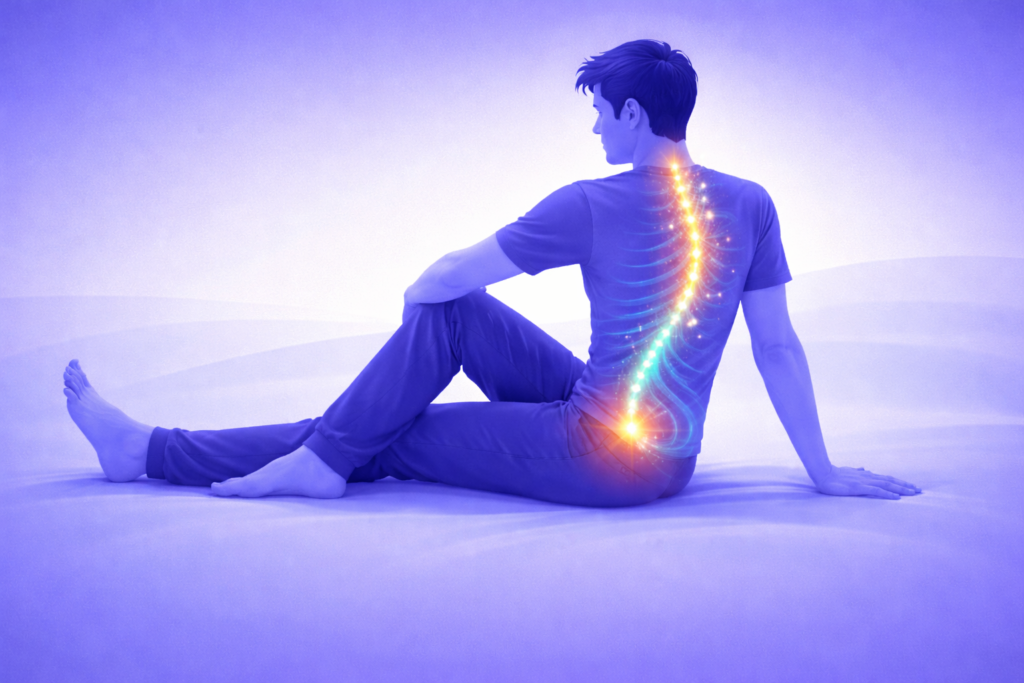
This stretch improves spinal mobility and eases lower back nerve pain. Sit on the floor or a chair with your legs extended. Bend your right knee and place your right foot on the outside of your left thigh. Place your right hand behind you for support and gently twist your upper body to the right. Keep your spine tall, not slouched. Hold the position while breathing slowly for 30 seconds, then switch sides. This movement encourages healthy spinal rotation and reduces stiffness caused by prolonged sitting. It’s especially helpful for leg nerve pain linked to poor posture and long hours of inactivity.
The Knee-to-Chest Stretch
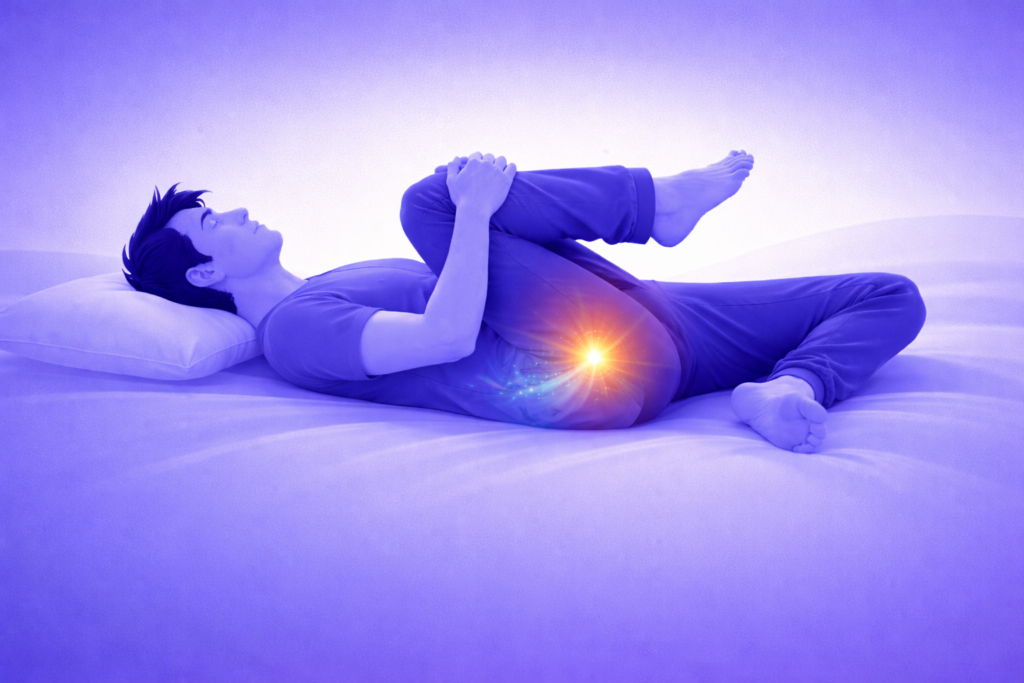
The knee-to-chest stretch is simple but powerful for fast nerve pain relief. Lie on your back with both legs extended. Slowly pull one knee toward your chest using both hands. Keep the other leg relaxed on the floor. Hold the stretch for 20 to 30 seconds while breathing deeply, then switch legs. You can also pull both knees in together for added comfort if it feels good. This stretch gently decompresses the lower spine and reduces tension around the sciatic nerve. It’s ideal for easing shooting leg pain after long periods of sitting or standing.
The Cat-Cow Stretch
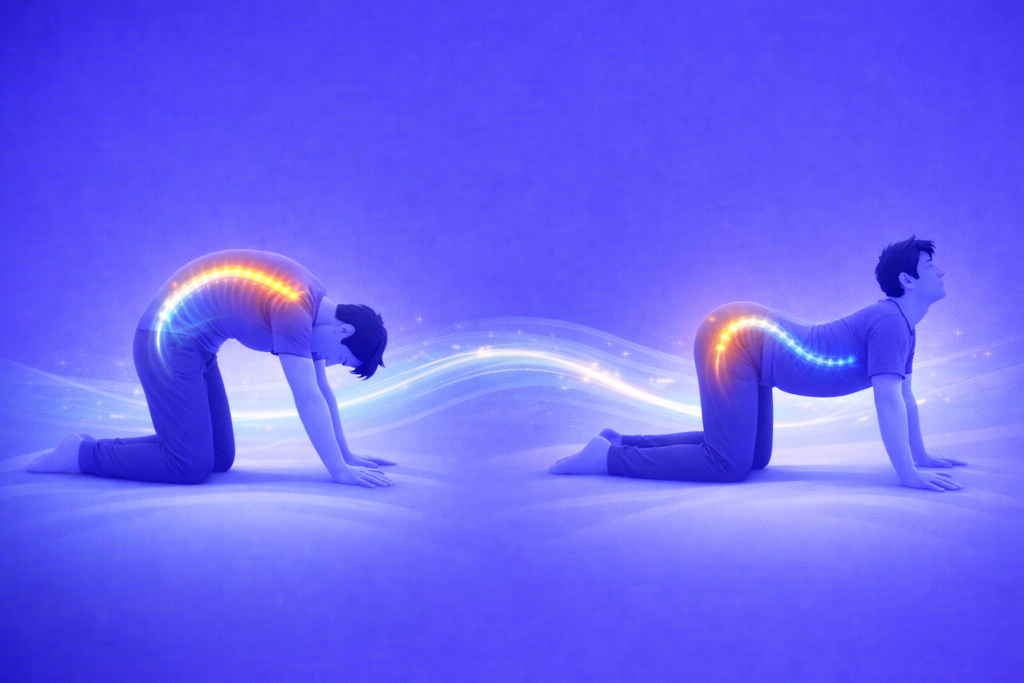
The cat-cow stretch keeps the spine flexible and promotes immediate sciatica relief. Begin on your hands and knees, with your wrists under your shoulders and knees under your hips. As you inhale, gently arch your back and lift your head (cow pose). As you exhale, round your spine and tuck your chin toward your chest (cat pose). Move slowly between these positions for about one minute. This flowing motion improves circulation, nourishes spinal discs, and reduces stiffness. It’s especially useful for calming nerve pain in the lower back and preparing your body for daily movement.
Benefits of This Natural Sciatic Pain Relief Method
Using a natural approach to manage sciatic nerve pain offers more than just temporary comfort. This 10-minute method supports your body in multiple ways, helping reduce pain while improving how you move, feel, and function each day. Because it focuses on gentle movement and relaxation, it works with your body instead of against it. Below are the key benefits that make this method a reliable option for natural sciatica relief and long-term comfort.

Quick Pain Reduction
One of the biggest benefits is how fast this method works for many people. By easing muscle tension and reducing pressure on the nerve, it can deliver quick sciatica pain relief without medication. Gentle stretching helps calm irritated nerves, which often reduces shooting leg pain and sharp discomfort within minutes. This fast response builds confidence and makes it easier to stay consistent. While results vary, many people notice lighter, more manageable pain shortly after completing the routine, especially during mild or moderate flare-ups.
Boosts Blood Flow
Healthy circulation is essential for nerve healing, and this method supports it naturally. Gentle movements increase blood flow to the lower back, hips, and legs, delivering oxygen and nutrients to irritated tissues. Better circulation helps flush out waste products that can worsen inflammation and stiffness. Over time, improved blood flow supports fast nerve pain relief and helps the sciatic nerve recover more efficiently. This is especially helpful for people who sit for long periods, as movement restores circulation that prolonged sitting restricts.
Lowers Inflammation
Inflammation is a major contributor to sciatica nerve pain, and this method helps reduce it without drugs. Slow stretching relaxes tight muscles that cause friction and swelling around the nerve. Controlled breathing also calms the nervous system, which lowers the body’s stress response. Together, these effects reduce inflammation naturally. When inflammation decreases, pressure on the nerve eases, making sciatica pain relief more noticeable and longer-lasting. This gentle approach is ideal for those seeking drug-free pain relief.
Builds Flexibility
Tight muscles are a common trigger for sciatic pain, and flexibility is key to preventing flare-ups. This routine gradually increases flexibility in the hips, lower back, and legs. As muscles lengthen, they stop pulling on the spine and nerve. Improved flexibility also supports better posture and smoother movement patterns. Over time, this reduces the risk of recurring lower back nerve pain and makes daily activities feel easier. Consistent stretching helps your body stay resilient and adaptable.
Easy Home Use
Another major benefit is convenience. This method can be done anywhere, making it ideal for sciatica relief at home. No special tools, gym memberships, or appointments are required. You only need a small space and a few quiet minutes. Because it’s simple and low-impact, it fits easily into busy schedules. This ease of use encourages consistency, which is essential for lasting results. The more regularly you practice, the more reliable your natural treatment for sciatica becomes.
Who Can Safely Try This Method?
The 10-minute natural method is designed to be gentle, accessible, and safe for a wide range of people dealing with sciatica nerve pain. Because it relies on slow movements and light stretching rather than force or intensity, it works well for those looking for natural sciatica relief without putting extra strain on the body. Still, knowing who this method is best suited for helps ensure safe and positive results.

Good Health Basics
This method is generally safe for adults who experience mild to moderate lower back nerve pain, stiffness, or leg nerve pain. People without severe spinal injuries, recent surgeries, or worsening neurological symptoms usually respond well. It’s especially helpful for those who can move independently and tolerate gentle stretching. As long as you can change positions slowly and comfortably, this routine can support sciatica pain relief without requiring advanced fitness or flexibility.
Low-Risk Mindset
A low-risk mindset is just as important as physical readiness. This method works best when approached with patience and awareness. Movements should feel gentle and controlled, never forced. Listening to your body and stopping when discomfort increases helps prevent strain. Because the goal is relaxation and relief, not intensity, this approach supports drug-free pain relief while minimizing risk. When practiced calmly, it becomes a safe tool for managing recurring sciatic discomfort.
Everyday Examples
This method fits well into everyday life. Office workers dealing with long hours of sitting, travelers with stiff hips, and parents who lift or bend frequently often benefit. It’s also useful for people easing back into movement after inactivity. Because it can be done at home and adjusted to comfort level, it supports sciatica relief at home for people with busy schedules who need simple, effective relief without complex routines.
Stretches and Exercises to Increase Mobility
Improving mobility is one of the smartest ways to support sciatica pain relief over time. When joints move freely and muscles stay supple, pressure on the sciatic nerve decreases. The following stretches and exercises are gentle, easy to follow, and designed to keep your body moving without aggravating lower back nerve pain. They pair perfectly with the 10-minute method and help prevent stiffness from building up during the day.
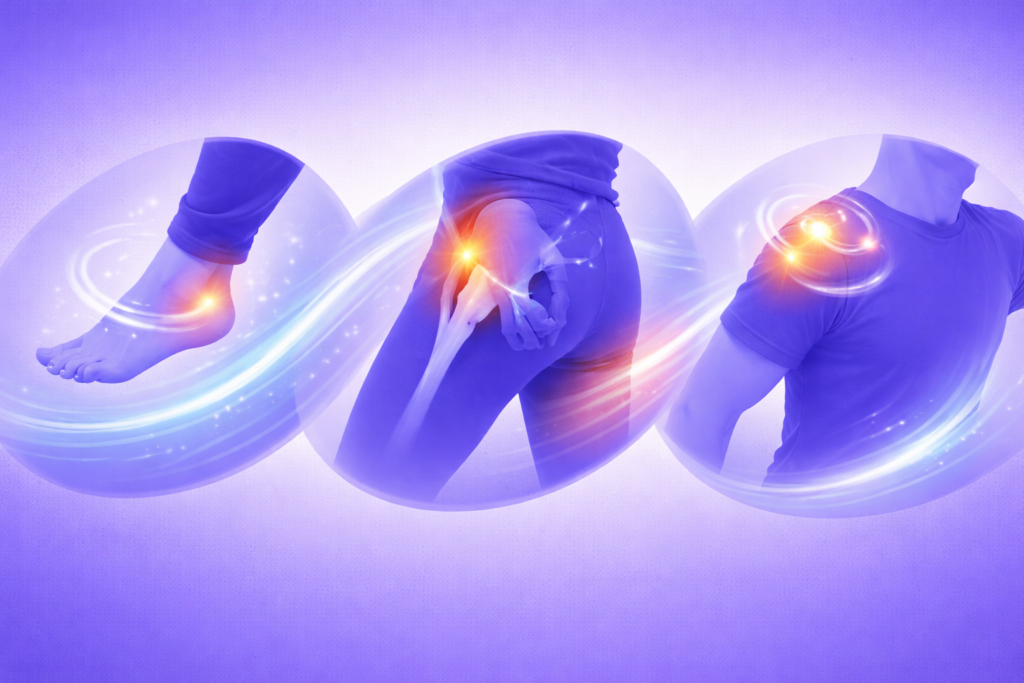
Ankle Rolls
Ankle rolls may seem simple, but they play an important role in easing leg nerve pain. Sit or lie down comfortably and lift one foot slightly off the ground. Slowly rotate your ankle in a circular motion, making 10 small circles in one direction, then switch. Repeat on the other side. This movement improves circulation in the lower legs and feet, which supports nerve signaling. Better blood flow helps reduce tingling and stiffness, especially if you sit or stand for long periods.
Leg Circles
Leg circles help loosen the hips, which are a common source of hip and leg pain linked to sciatica. Lie on your back with one leg extended and the other bent. Slowly lift the straight leg slightly and draw gentle circles in the air. Keep the movement controlled and small. Switch directions after several circles, then change legs. This exercise improves hip mobility, reduces muscle tightness, and supports smoother movement patterns that reduce strain on the sciatic nerve.
Shoulder Circles
Although sciatica affects the lower body, upper-body tension often contributes to poor posture and nerve pain in the lower back. Shoulder circles help release this tension. Sit or stand tall and roll your shoulders forward in slow, controlled circles, then reverse the direction. This movement relaxes the upper spine and encourages better alignment. When posture improves, pressure on the lower back decreases, making shoulder circles a helpful addition to natural sciatica relief routines.
90-90 Hip Stretch
The 90-90 hip stretch targets deep hip muscles that often tighten and compress the sciatic nerve. Sit on the floor with one leg bent in front of you at a 90-degree angle and the other bent behind you. Keep your chest upright and lean forward slightly if comfortable. Hold for 20 to 30 seconds, then switch sides. This stretch improves hip rotation, reduces stiffness, and supports sciatica stretches aimed at long-term mobility.
Crescent Lunge
The crescent lunge gently stretches the hips, thighs, and lower back while building balance and strength. Step one foot forward into a short lunge, keeping your torso upright and core engaged. Hold the position briefly, then switch sides. This movement improves flexibility and stability, which helps protect the spine during daily activities. Practiced regularly, the crescent lunge supports exercises for sciatica pain by promoting strong, mobile muscles that reduce nerve irritation.
When You Should Avoid This Method
While the 10-minute natural method is gentle and effective for many people, it is not meant for every situation. Certain conditions and circumstances require extra caution or professional guidance. Knowing when to pause or avoid this routine is just as important as knowing how to use it. Listening to your body and respecting warning signs helps prevent worsening sciatica nerve pain and ensures your safety in the long run.

Irregular Cycles
If your sciatic pain appears suddenly, feels unpredictable, or comes in irregular cycles that keep changing in intensity or location, it’s best to pause this method. Pain that comes and goes sharply may signal an underlying issue that needs evaluation. In these cases, stretching could irritate the nerve further instead of calming it. Before continuing with sciatica relief at home, it’s wise to track symptoms and consult a healthcare professional to rule out serious causes of nerve pain in the lower back.
Health Issues
You should avoid this method if you have severe or worsening symptoms such as loss of bladder or bowel control, increasing numbness, or sudden muscle weakness. These can indicate nerve damage that requires immediate medical attention. People recovering from recent spinal surgery, fractures, or serious injuries should also avoid unsupervised stretching. While natural sciatica relief works well for mild cases, serious health issues need proper diagnosis and professional sciatica treatment.
Need STI Protection
This method is designed specifically for musculoskeletal and nerve-related pain. If your discomfort is linked to conditions unrelated to nerve compression—such as infections, systemic illness, or other medical concerns—stretching will not address the root cause. In such cases, focusing on general health protection and appropriate medical care is more important. Always make sure sciatic pain is truly mechanical in nature before relying on natural pain relief methods, especially when other health risks may be present.
Skipping Levels
Trying to rush progress or skipping gentle stages can make sciatic pain worse. Forcing deep stretches too early or ignoring discomfort often leads to muscle guarding and increased nerve irritation. This method works best when built gradually, respecting your current flexibility and pain level. Skipping steps in pursuit of quick sciatica pain relief may delay healing. Consistent, gentle practice is safer and more effective than pushing your body beyond its limits.
Lifestyle Habits That Support Faster Sciatic Pain Relief
Relieving sciatic nerve pain doesn’t stop with stretching alone. Your everyday lifestyle plays a huge role in how quickly your body heals and how often pain returns. Small, consistent habits can either calm the sciatic nerve or keep irritating it. By making a few smart adjustments, you support sciatica pain relief naturally and create an environment where healing happens faster and lasts longer.
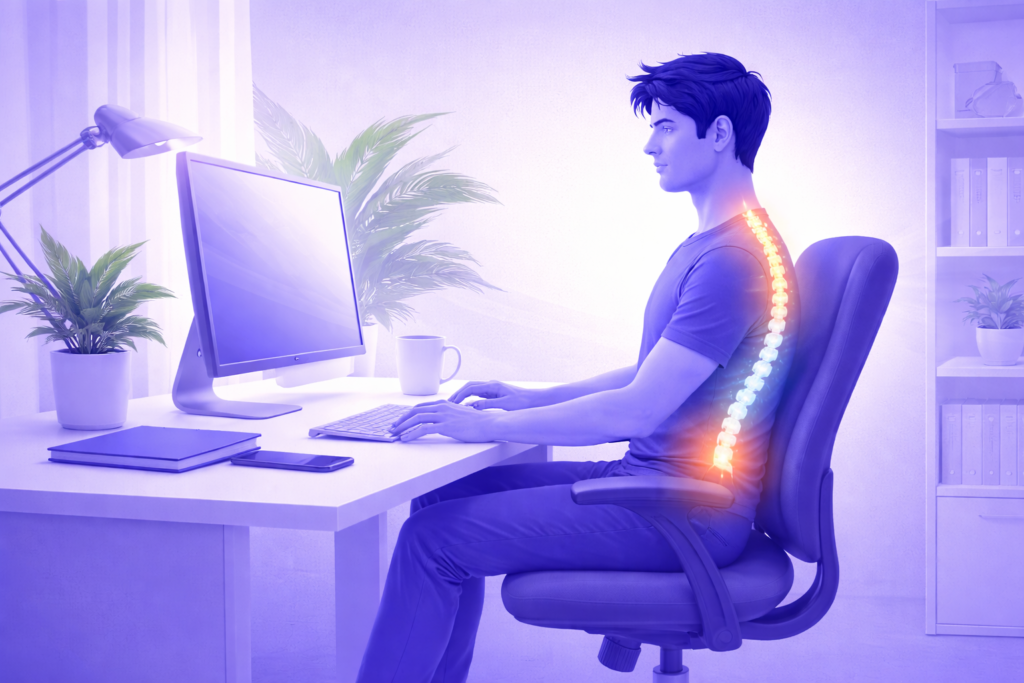
Stay Active
Staying active is one of the most powerful ways to reduce sciatic pain. Gentle movement keeps muscles loose, joints mobile, and nerves flexible. Walking, light cycling, or casual outdoor activity prevents stiffness from building up in the hips and lower back. You don’t need intense workouts—just regular motion. Maintaining an active lifestyle encourages healthy circulation and reduces pressure on the sciatic nerve. Even short movement breaks throughout the day help relieve sciatica fast and prevent flare-ups caused by long periods of inactivity.
Stretch Daily
Daily stretching keeps muscles from tightening around the sciatic nerve. When flexibility improves, muscles stop pulling on the lower spine and hips. This reduces lower back nerve pain and helps maintain long-term comfort. Stretching doesn’t need to be long or intense; even five to ten minutes makes a difference. Consistency matters more than effort. Pairing daily stretching with your 10-minute routine supports natural sciatica relief and makes sudden pain episodes less frequent and less severe.
Fix Posture
Poor posture is a hidden cause of ongoing sciatic pain. Slouching, leaning forward, or sitting unevenly increases pressure on the lower back and hips. Over time, these posture habits irritate the sciatic nerve and lead to leg nerve pain. Sitting upright, keeping feet flat, and adjusting screen height can dramatically reduce strain. Improving posture during work, driving, and relaxation helps prevent nerve compression and supports sciatica relief at home without extra effort.
Manage Weight
Excess body weight places additional stress on the spine and lower back. This added load increases pressure on spinal discs and surrounding nerves. Managing weight through balanced eating and light activity reduces that strain and helps ease pinched nerve sciatica symptoms. Even small changes can make a noticeable difference. Supporting a healthy weight allows the sciatic nerve more space, which contributes to fast nerve pain relief and improves overall mobility.
Improve Sleep
Quality sleep is essential for nerve recovery. During rest, the body repairs tissues and calms inflammation. Poor sleep positions or worn-out mattresses can worsen hip and leg pain overnight. Sleeping on your side with a pillow between your knees or on your back with support under your knees helps keep the spine aligned. Better sleep habits reduce morning stiffness and support long-term sciatica treatment results.
Natural Remedies That Work Well Alongside This Metho
The 10-minute stretching routine works best when your body is supported from the inside as well as the outside. Simple, natural remedies can complement movement by calming inflammation, improving circulation, and relaxing the nervous system. These options aren’t meant to replace stretching or medical care. Instead, they enhance natural sciatica relief and make sciatica pain relief more consistent and comfortable over time.

Ginger Helps Digestion
Ginger supports the body in more ways than many people realize. While it’s well known for aiding digestion, it also helps improve circulation and reduce muscle stiffness. Better circulation means more oxygen and nutrients reach irritated areas, which supports fast nerve pain relief. Ginger tea or adding fresh ginger to meals can gently warm the body and reduce tension. When paired with stretching, ginger helps the muscles around the sciatic nerve relax, making sciatica relief at home feel smoother and more effective.
Turmeric Fights Inflammation
Turmeric is one of the most powerful natural anti-inflammatory remedies available. Inflammation is a major driver of sciatica nerve pain, especially when swelling presses on the nerve. Curcumin, turmeric’s active compound, helps calm this response over time. Adding turmeric to food or warm drinks can support natural treatment for sciatica by reducing swelling around irritated tissues. When inflammation decreases, stretching becomes more comfortable and results from the 10-minute method tend to last longer.
Honey Soothes Coughs
Although honey is best known for soothing coughs and sore throats, it also supports overall healing. Honey provides natural antioxidants and gentle energy, which helps the body recover from stress and inflammation. Lower stress levels support nerve relaxation and reduce muscle guarding. Including honey in tea or warm water can support the body’s recovery process, making it easier to maintain drug-free pain relief routines like stretching and light movement for sciatic discomfort.
Chamomile Calms Nerves
Chamomile is especially helpful for calming the nervous system. Sciatic pain often worsens when stress levels are high because tension causes muscles to tighten around the nerve. Chamomile tea promotes relaxation, reduces anxiety, and supports better sleep. A calmer nervous system allows muscles to release more easily, which improves the effectiveness of sciatica stretches. Drinking chamomile in the evening pairs well with stretching and supports long-term holistic sciatica treatment.
Tips for Maximizing Your Stretching Routine
Stretching is one of the most effective tools for long-term sciatica pain relief, but how you stretch matters just as much as what you stretch. Small adjustments in timing, technique, and consistency can greatly improve results. These tips help you get the most benefit from every session while reducing the risk of irritation or injury. When stretching becomes intentional and well-supported, it turns into a powerful form of natural sciatica relief.

Warm Up Before Stretching
Warming up prepares your muscles and nerves for movement. Cold muscles resist stretching and can tighten even more when forced. A short walk, gentle marching in place, or a warm shower helps increase blood flow and relax tissues. This makes stretches feel smoother and more effective. When muscles are warm, they release tension more easily, reducing pressure on the sciatic nerve. A simple warm-up improves fast nerve pain relief and lowers the chance of discomfort during your routine.
Hold Stretches Right
Holding stretches correctly is key to avoiding irritation. Move into each stretch slowly and stop at the point of gentle tension, not pain. Hold for 20 to 40 seconds while breathing deeply. Avoid bouncing, which can trigger muscle tightening and worsen sciatica nerve pain. Steady holds allow muscles to relax gradually, creating space around the nerve. This approach supports safer, longer-lasting sciatica pain relief without stressing the lower back.
Stretch Often
Stretching works best when done regularly. Short, daily sessions are more effective than long, occasional workouts. Consistent stretching keeps muscles flexible and prevents tightness from building up around the sciatic nerve. Even five to ten minutes a day can reduce stiffness and support sciatica relief at home. Making stretching part of your daily routine helps your body stay loose and responsive, reducing the likelihood of sudden flare-ups.
Use Proper Form
Proper form protects your joints and spine during stretching. Slouching, twisting too far, or holding your breath increases strain on the lower back. Keep movements slow, controlled, and aligned. If needed, use pillows, blocks, or a chair for support. Good form ensures stretches target the right muscles without aggravating lower back nerve pain. When form improves, the benefits of stretching increase and the risk of injury decreases.
Make It a Habit
The biggest gains come from consistency. Stretching only when pain appears limits progress. Turning stretching into a habit trains your body to stay flexible and relaxed. Pair your routine with daily cues like waking up, work breaks, or bedtime. Over time, this habit reduces stress, improves mobility, and supports long-term holistic sciatica treatment. A simple daily routine is easier to maintain and far more effective than chasing quick fixes.
Common Mistakes That Can Make Sciatic Pain Worse
Even with the best intentions, certain everyday choices can quietly aggravate the sciatic nerve. These mistakes often feel harmless at first, but over time they increase pressure, stiffness, and irritation. Knowing what to avoid is just as important as knowing how to relieve sciatica. By correcting these habits, you protect your progress and make sciatica pain relief more consistent and long-lasting.
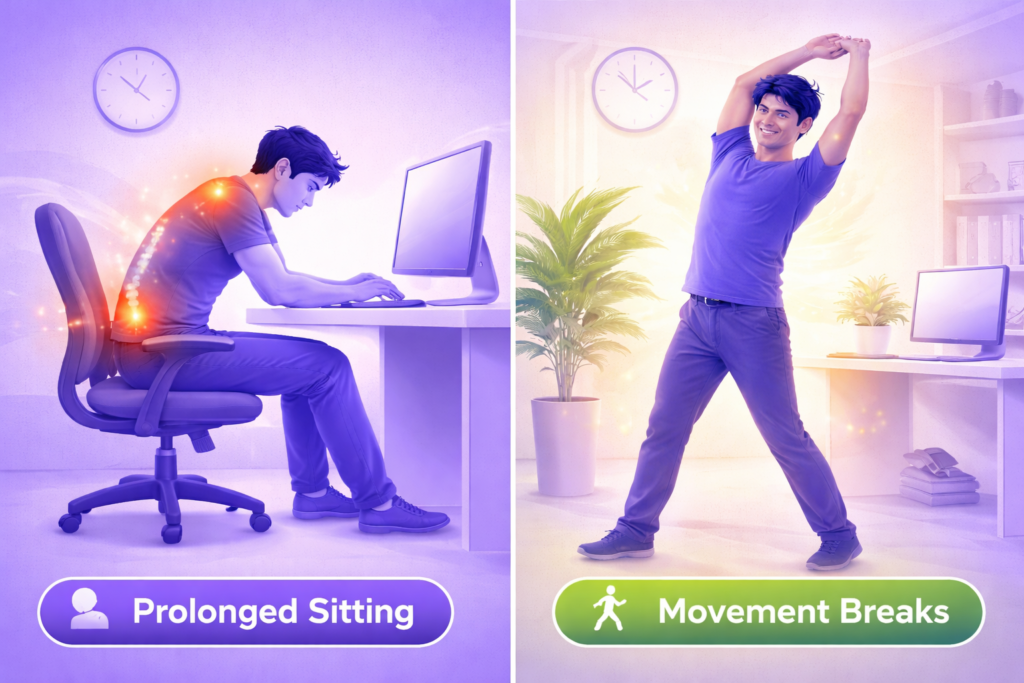
Sitting Too Long
Prolonged sitting is one of the biggest triggers of sciatic pain. When you sit for hours, hip muscles tighten and the lower spine absorbs constant pressure. This reduces blood flow and compresses the nerve. Desk culture, streaming, and long commutes often encourage poor posture habits, which silently worsen lower back nerve pain. Standing up every 30–45 minutes, walking briefly, or gently stretching can break this cycle. Small movement breaks prevent stiffness and reduce the risk of flare-ups caused by inactivity.
Wearing Bad Shoes
Footwear affects the entire body, including the lower back. Shoes with poor support, worn-out soles, or high heels change how weight travels through your spine. This imbalance can irritate the sciatic nerve and lead to hip and leg pain. When your feet aren’t supported, your posture shifts, placing extra strain on the lower back. Choosing comfortable, supportive shoes helps maintain alignment and supports natural sciatica relief, especially if you spend long hours standing or walking.
Stretching Hamstrings Early
Stretching the hamstrings too aggressively or too early during a flare-up can make sciatica worse. Tight hamstrings often feel like the problem, but overstretching them can pull on the pelvis and increase nerve tension. This may intensify shooting leg pain instead of relieving it. It’s better to focus first on gentle hip and lower-back movements that reduce nerve pressure. Once pain settles, hamstring stretches can be added carefully as part of a balanced routine.
Poor Bending Habits
Bending incorrectly places sudden stress on the lower spine. Rounding your back to pick up objects or twisting while lifting increases pressure on spinal discs and nerves. These habits often trigger pinched nerve sciatica unexpectedly. Instead, bend at the hips, keep your spine neutral, and use your legs for support. Practicing safe bending protects the sciatic nerve and supports fast nerve pain relief by preventing repeated strain during daily tasks.
Tight Clothes or Wallets
Tight clothing around the hips or carrying a wallet in your back pocket can press directly on the sciatic nerve. This external pressure restricts circulation and irritates nearby tissues, leading to leg nerve pain or numbness. Sitting on uneven surfaces caused by bulky pockets also affects posture. Wearing loose clothing and keeping pockets clear reduces unnecessary compression and supports sciatica relief at home with almost no effort.
How Often Should You Use This 10-Minute Method?
One of the biggest advantages of this natural routine is how flexible it is. Because it’s gentle and low-impact, you don’t need to worry about overdoing it when it’s used correctly. Still, timing and consistency play a major role in how much sciatica pain relief you experience. Knowing when and how often to use the method helps you get the best results while keeping your body safe and relaxed.
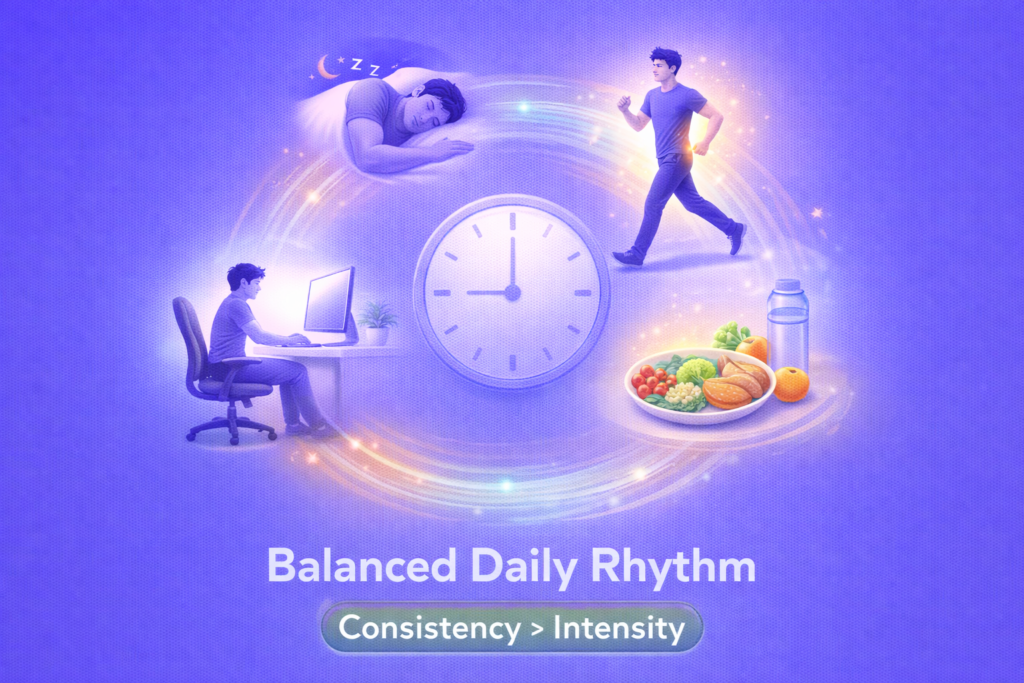
When to Use It?
The best time to use the 10-minute method depends on when your symptoms usually appear. Many people find relief using it in the morning to ease stiffness and prepare the body for movement. Others prefer the evening, especially if nerve pain in the lower back builds up after a long day of sitting or standing. It’s also useful during flare-ups, when shooting leg pain or tightness suddenly appears. Because the method focuses on calming the nervous system, it works well anytime your body feels tense or restricted. The key is choosing a moment when you can move slowly and focus without rushing.
How Often Daily?
For most people, once a day is enough to maintain flexibility and reduce discomfort. During active flare-ups, using the method twice a day—morning and evening—can provide quick sciatica pain relief without stressing the body. More frequent sessions usually aren’t necessary and may lead to fatigue if done carelessly. It’s better to stay consistent with one or two calm sessions than to repeat the routine multiple times in a short period. Gentle daily use supports sciatica relief at home while allowing muscles and nerves enough time to respond and recover.
Long-Term Habit
For lasting results, this method works best as a long-term habit rather than a temporary fix. Even when pain improves, continuing the routine helps prevent future flare-ups by keeping muscles loose and joints mobile. Over time, your body learns to move with less tension, reducing the risk of pinched nerve sciatica returning. Think of the routine as daily maintenance, similar to brushing your teeth. When combined with healthy posture, movement, and rest, it becomes a reliable part of a holistic sciatica treatment plan that supports comfort and confidence long term.
What Results Can You Expect Over Time?
Sciatic nerve pain rarely disappears overnight, but consistent, gentle care can lead to meaningful improvement. The 10-minute natural method works best when used regularly and paired with healthy habits. Progress often happens in stages, and understanding what to expect helps you stay patient and motivated. Below is a realistic timeline of how sciatica pain relief often unfolds when this method becomes part of your routine.

Early Wins (First 1–4 Weeks)
During the first few weeks, many people notice small but encouraging changes. Morning stiffness becomes less intense, and shooting leg pain may ease more quickly during flare-ups. You might find it easier to sit, stand, or walk for longer periods without discomfort. Sleep often improves as nerve pain in the lower back becomes less disruptive. These early wins happen because muscles begin to relax and circulation improves. While pain may not disappear completely, it often feels more manageable and predictable, which builds confidence and encourages consistency.
Noticeable Shifts (1–3 Months)
After one to three months, improvements usually become more noticeable. Flare-ups may occur less often and feel less intense when they do. Flexibility in the hips and lower back increases, reducing daily stiffness and leg nerve pain. You may also notice better posture and smoother movement during everyday tasks. At this stage, your body starts adapting to regular stretching and movement. The sciatic nerve experiences less pressure overall, leading to steadier natural sciatica relief and fewer interruptions to daily life.
Solid Gains (3–6 Months)
Between three and six months, many people experience solid, lasting gains. Pain episodes become less frequent, and recovery from flare-ups is faster. Activities that once triggered discomfort—like long drives or extended sitting—feel easier to manage. Muscle balance improves, which reduces strain on the spine and supports lower back nerve pain prevention. By now, the 10-minute routine feels natural rather than effortful. These gains reflect stronger habits, better mobility, and a more resilient nervous system.
Long-Term Growth (6+ Months)
With long-term use, the benefits go beyond pain relief. Movement becomes smoother, posture improves, and confidence in your body returns. Many people report fewer setbacks and better awareness of early warning signs, allowing them to respond before pain escalates. The sciatic nerve remains calmer because muscles stay flexible and inflammation stays low. At this stage, the method becomes a preventative tool rather than just a remedy. Consistent practice supports long-term comfort and reduces the likelihood of chronic sciatica nerve pain returning.
When to See a Doctor for Sciatic Nerve Pain?
Natural methods and gentle movement can help many cases of sciatic nerve pain, but they are not a replacement for medical care when warning signs appear. Knowing when to see a doctor for sciatica is critical for protecting your long-term health. Sciatic pain is often manageable at home, yet certain symptoms signal that the nerve—or something affecting it—needs professional evaluation. Acting early can prevent complications and speed proper treatment.

Go to ER Now
Seek emergency care immediately if sciatic pain is paired with sudden loss of bladder or bowel control, numbness in the groin or inner thighs, or rapidly worsening weakness in one or both legs. These symptoms may indicate serious nerve compression that requires urgent treatment. Severe trauma followed by intense lower back nerve pain or inability to stand also warrants emergency care. Do not try to stretch or “push through” these symptoms—immediate evaluation is essential to prevent permanent nerve damage.
See Doctor Soon
Make an urgent doctor’s appointment if sciatic pain continues to worsen over several days, spreads aggressively down the leg, or is accompanied by increasing numbness or tingling. Persistent shooting leg pain that does not respond to rest or gentle movement should be evaluated. Fever, unexplained weight loss, or pain following an infection are also red flags. These signs suggest that sciatica nerve pain may be linked to inflammation, disc problems, or other conditions that need targeted medical care.
Schedule Check-Up
If your pain is manageable but keeps returning, schedule a routine check-up. Recurring leg nerve pain or stiffness that interferes with sleep, work, or daily activities deserves professional input. A doctor can confirm the cause, rule out serious issues, and guide you on long-term sciatica treatment options. Even when natural methods help, a check-up provides reassurance and ensures your recovery plan is safe, complete, and tailored to your needs.
Frequently Asked Questions
Sciatic nerve pain raises a lot of questions, especially when you’re trying a natural approach and want clear, honest answers. Below are the most common questions people ask about this 10-minute method, explained in simple terms so you know what to expect and how to use it safely and effectively.
This method is not a guaranteed permanent cure for everyone. Sciatica is usually a symptom of an underlying issue such as muscle tightness, posture problems, or spinal pressure. What this method does very well is reduce symptoms, improve movement, and prevent flare-ups. When combined with healthy habits, many people experience long-term relief. However, lasting results depend on addressing the root cause, not just managing pain.
Some people feel instant sciatica relief within minutes, especially if their pain is caused by muscle tension or stiffness. Others notice gradual improvement over several sessions. It’s normal for relief to vary from person to person. Even if pain doesn’t disappear right away, many notice reduced tightness, easier movement, or less shooting leg pain after the first few tries.
Yes, this method is generally safe for older adults because it uses gentle, controlled movements rather than forceful stretching. It can be adjusted to comfort level and done slowly with support if needed. As long as there are no serious medical conditions or recent injuries, older adults often benefit from improved mobility and natural sciatica relief. When in doubt, it’s always wise to consult a healthcare provider first.
Yes, daily use is encouraged. Consistency is one of the biggest factors in successful sciatica pain relief. Doing the routine once a day helps keep muscles relaxed and prevents stiffness from returning. During flare-ups, some people safely use it twice a day. The key is to stay gentle and avoid pushing into pain.
Yes. Pain that travels down the leg is a classic sign of sciatica nerve pain, and this method is designed to address it. By reducing pressure on the nerve and relaxing tight muscles, many people experience relief from leg nerve pain and tingling sensations over time.
Absolutely. This method pairs well with light exercise, walking, or gentle yoga. In fact, combining it with movement often improves results. Just avoid intense workouts during flare-ups. Think of this routine as a foundation that supports other exercises for sciatica pain safely.
Sciatica can return, especially during stress, inactivity, or poor posture. If pain comes back, restart the routine and review your daily habits. Many people use this method as a go-to tool for quick sciatica pain relief when symptoms reappear.
B vitamins, especially B1, B6, and B12, support nerve health. They may help reduce nerve irritation and support recovery when combined with movement and natural treatment for sciatica. Always follow medical advice before starting supplements.
The worst thing is staying completely inactive or ignoring pain signals. Long periods of sitting, poor posture, and pushing through sharp pain often make sciatica worse. Gentle movement and early action are far better than waiting until the pain becomes severe.